






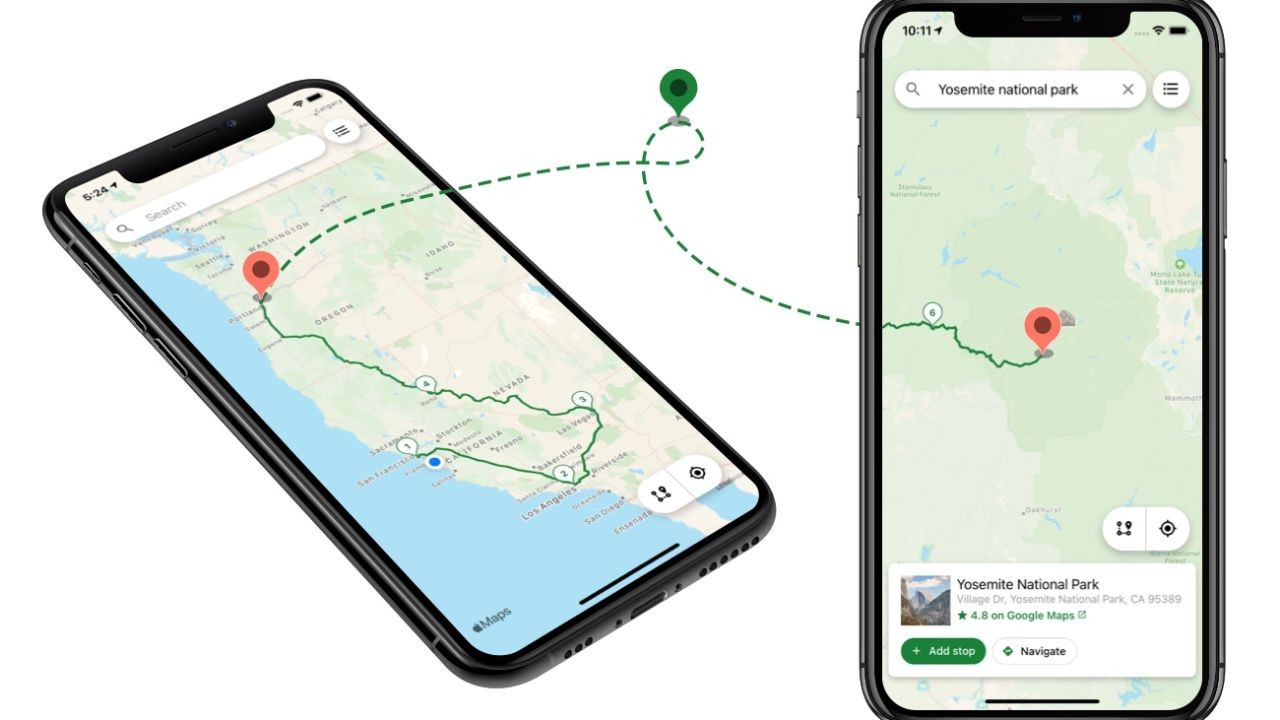
The open road has always promised freedom, but the modern traveller is increasingly shackled by a different master: the algorithm. We stand at a curious crossroads, where the very tools designed to liberate us from the guidebook's tyranny threaten to homogenise the journey itself. The question is not merely whether future road trip apps will make planning obsolete, but whether, in doing so, they will render the soul of discovery obsolete. For the discerning traveller—particularly one seeking the profound culinary and viticultural narratives of a place—this is not a trivial concern. It is a battle for the very essence of experience.
The Algorithmic Concierge: Promise and Peril
The vision is seductive. An app synthesises your preferences, cross-references real-time traffic, weather, and crowd-sourced reviews, and dynamically crafts a perfect itinerary. It books your accommodation at a charming B&B before you've even realised you're tired, and directs you to a highly-rated winery for a late lunch. This is the zenith of convenience, a frictionless journey from A to B. For the time-poor professional, it holds undeniable appeal. However, this hyper-efficiency comes at a cost. The algorithm is fundamentally a creature of consensus and data patterns. It optimises for what is popular, measurable, and easily categorised. The hidden gem, the family-run cellar door with no digital footprint, the roadside pie shop known only to locals—these entities exist in the algorithm's blind spots.
From my experience consulting with regional tourism boards across Australia, I've observed a dangerous feedback loop. Businesses that invest heavily in SEO and aggressive digital marketing climb the algorithmic ranks, gaining more visibility, which in turn generates more reviews and further solidifies their position. This creates a curated, commercialised version of a region that can overshadow its authentic, grassroots character. The app becomes a self-fulfilling prophecy of popularity, not quality.
The Human Element: Why Serendipity is the Ultimate Luxury
Consider the anatomy of a memorable food and wine journey. It is rarely the pre-booked, five-star-rated venue that leaves the deepest imprint. It is the chance recommendation from a vigneron who scribbles a name on a napkin. It is the detour taken because a hand-painted sign for "Fresh Oysters" caught your eye. It is the failed booking that forces you into the pub next door, where you find the best parmigiana of your life. This serendipity—the happy accident—is the antithesis of algorithmic planning. It is unquantifiable, inefficient, and utterly irreplaceable.
In practice, with Australia-based teams I’ve advised in the hospitality sector, the most successful operators understand this dichotomy. They use technology for logistics—streamlining bookings, managing inventory—but they consciously design experiences that feel discovered, not delivered. A Hunter Valley winery might hide its premium tasting in a secluded garden, accessible only by asking. A Margaret River cheesemaker might host intimate fireside sessions not listed on any major platform. These tactics deliberately inject the human element back into the journey, creating value that an app cannot algorithmically generate.
Case Study: The Regional Renaissance vs. The Digital Directory
Let's examine the contrasting fates of two Australian regional destinations navigating this digital landscape.
Problem: Region A, a well-established wine region, leaned entirely into app-friendly tourism. Every experience was listed on TripAdvisor, Google Business, and major booking platforms. It became a "checklist" destination. Region B, an emerging culinary hotspot, took a different tack. It focused on cultivating a narrative of exclusivity and local connection, with many of its best producers opting for low-digital profiles and word-of-mouth marketing.
Action: Region A's tourism board invested in geo-targeted ads and paid placements on road trip apps. Region B's collective invested in training local ambassadors, creating a curated "Insider's Guide" available only through direct inquiry, and fostering partnerships between small-scale producers for unique, multi-venue experiences.
Result: Data from Tourism Research Australia shows a telling divergence. Region A saw higher initial visitor volume, but a lower average spend per visitor and shorter dwell times—the classic "hit-and-run" tourism pattern. Region B, while attracting fewer total visitors, recorded a 40% higher average spend, with visitors staying 2.3 nights longer. Critically, post-visit surveys revealed that Region B's visitors reported a 60% higher likelihood of returning, citing "authenticity" and "unique discovery" as key drivers.
Takeaway: This case study highlights that an over-reliance on algorithmic visibility can commoditise a destination. The future belongs to regions and businesses that use technology tactically while fiercely protecting the unscripted, human-centric moments that define a truly great journey. Australian road trippers are increasingly valuing depth over breadth, a trend savvy operators must harness.
Where Most Brands Go Wrong
The critical error is viewing technology and human-centric experience as mutually exclusive. They are not. The failure occurs when one is allowed to dominate the other.
- Mistake 1: Outsourcing Curation to the Crowd. Relying solely on aggregate star ratings is a profound abdication of critical judgement. A 4.5-star rating often signifies consistent mediocrity, not excellence. From observing trends across Australian businesses, I see too many venues chasing review volume instead of crafting a distinctive point of view that might polarise but will deeply resonate with the right audience.
- Mistake 2: Prioritising Efficiency Over Experience. The fastest route is rarely the most scenic. The app that books your entire trip in three clicks has saved you time but robbed you of the anticipation, research, and personal investment that heightens enjoyment. The journey becomes a passive consumption, not an active pursuit.
- Mistake 3: Ignoring the "Digital Dead Zone." Vast stretches of Australia, from the Nullarbor to the Kimberley, remain plagued by unreliable connectivity. An app-centric plan collapses here. The old-fashioned skills—reading a paper map, talking to people, being adaptable—are not nostalgic affectations; they are essential safeguards.
A Balanced Itinerary: A Hybrid Model for the Discerning Traveller
The solution is a hybrid approach, using technology as a powerful tool in a kit that still contains analogue instruments. Think of it as navigation versus exploration. Use the app for navigation: real-time fuel prices, weather alerts, traffic updates, and booking confirmations. But reserve exploration for the human senses and local intelligence.
Actionable Insight for the Australian Road Tripper: Before your next journey, conduct a two-stage planning process. First, use apps and databases to identify broad clusters of interest—wine regions, oyster farming areas, historic towns. Then, deliberately switch off. Contact regional visitor centres directly by phone; they are treasure troves of un-digitised knowledge. When you arrive, ask your first local contact—a bartender, a petrol station attendant, a B&B host—for their single favourite place to eat or drink that isn't "for tourists." This one question will yield better results than a thousand algorithmic queries.
The Future of the Australian Road Trip: Context-Aware and Curated
The next generation of apps won't succeed by making planning obsolete; they will succeed by making planning profoundly more intelligent and contextual. We are moving towards platforms that can integrate deeper data layers. Imagine an app that knows not just your preference for "pinot noir," but that you prefer cool-climate, whole-bunch styles from vineyards over 300 metres in elevation. It could then cross-reference this with your dietary profile and suggest a lunch spot where the chef forages for native ingredients that pair exquisitely with that specific wine style.
This level of hyper-personalised, context-aware curation is the holy grail. However, its success hinges on two factors: the willingness of users to share deep preference data (a significant privacy consideration) and, more importantly, the development of curation engines led by genuine human expertise, not just machine-learning from review aggregates. The future belongs to apps that act as a digital sommelier or guide—expert systems that explain *why* a recommendation is made, fostering education and connection, not just passive consumption.
Final Takeaway & Call to Action
Future road trip apps will not make travel planning obsolete; they will redefine its parameters. The obsoletion threat is not to planning itself, but to the unplanned. The true risk is a journey so perfectly optimised that it becomes sterile, a pre-packaged tour of algorithmic consensus. For the traveller who views a road trip as a culinary and cultural pilgrimage, technology must be a servant, not a master.
Use these tools to handle the mundane, to avoid pitfalls, and to access information. But deliberately leave gaps in your itinerary. Cultivate the skill of asking the right questions in person. Seek out the producers and hosts who are too busy crafting exceptional experiences to game an algorithm. The soul of the Australian road trip—its vastness, its unpredictability, its profoundly human connections—depends on it.
Your next step? Plan a weekend getaway with a rule: you cannot book a single meal or activity via a mainstream app or website. Use only local council tourism sites, direct phone calls, and on-the-ground intuition. Then share what you discovered. The most valuable reviews are no longer just on the platform; they are in the conversations we have beyond it.
People Also Ask
Are road trip apps killing spontaneous travel in Australia? Not inherently, but they can discourage it. Spontaneity must now be a conscious choice. The traveller must actively resist the app's urge to optimise every minute, deliberately leaving room for chance encounters and local recommendations off the digital grid.
What is the biggest downside of relying on apps for food and wine travel? The homogenisation of taste. Algorithms promote consensus, which often sidelines innovative, niche, or challenging producers in favour of broadly accessible, crowd-pleasing options. This can flatten a region's unique culinary identity.
How can Australian small businesses compete in an app-dominated market? By leveraging their unique advantage: authentic human connection. They should use digital tools for basic visibility and logistics, but double down on creating in-person experiences so memorable that guests become their ambassadors, creating a powerful, offline word-of-mouth network.
Related Search Queries
- best road trip apps Australia 2024
- planning a food and wine tour Australia
- off the beaten track Australian road trips
- how to find authentic local food while travelling
- impact of technology on tourism Australia
- regional Australian travel trends
- balancing technology and spontaneous travel
- future of travel planning AI
For the full context and strategies on Will Future Road Trip Apps Make Travel Planning Obsolete? – Why It Matters More Than Ever in Australia, see our main guide: Australian Property Real Estate.