




Let's be unequivocally clear from the outset: the exorbitant cost of parking in Australian cities is not merely an inconvenience for the average commuter. It is a profound, systemic failure that disproportionately punishes a critical segment of our society—the aged care workforce. As a specialist who has spent decades navigating the labyrinth of care delivery, I see these fees for what they truly are: a regressive tax on compassion and a direct threat to the stability of our care ecosystem. While the public debates congestion, I am witnessing a silent crisis where dedicated nurses, carers, and support staff are financially bled dry simply for showing up to do essential, life-sustaining work. This isn't about urban planning theory; it's about the real-world arithmetic of a workforce already stretched to its limit.
The Hidden Cost Equation: More Than Just a Daily Fee
To understand the outrage, one must move beyond the sticker shock of $50-$80 daily rates in Sydney or Melbourne CBDs. The true impact is measured in a corrosive financial and psychological toll on the aged care sector. The Royal Commission into Aged Care Quality and Safety laid bare a sector in distress, with workforce challenges at its core. While it addressed wages and conditions, it largely overlooked the ancillary costs of employment—chief among them, the punitive expense of parking for those providing care in metropolitan residential facilities or during home-visit rounds.
Consider the data. According to the Australian Bureau of Statistics, the Healthcare and Social Assistance sector is one of Australia's largest and fastest-growing employers. Yet, the 2023 Aged Care Workforce Industry Census reported that financial pressures are a leading cause of staff attrition. From my experience supporting Australian companies in this sector, I have reviewed countless employee feedback reports. A recurring, visceral point of frustration is the cost of parking. For a part-time carer earning an award wage, a full day's parking can consume a significant portion of their shift's take-home pay. This isn't a discretionary expense; it's a mandatory cost of employment that many white-collar professionals, with their subsidised corporate spaces or public transport allowances, never face.
Where Most Systems Go Wrong: The Proximity Penalty
The core failure is a fundamental misalignment between urban economic policy and social infrastructure need. Councils and private operators view high-demand CBD and inner-suburb land through a purely commercial lens, maximising revenue. Meanwhile, aged care facilities, often located in these high-value areas due to historical zoning and community need, cannot provide sufficient free parking for staff. The result is a 'proximity penalty' inflicted upon care workers.
In practice, with Australia-based teams I’ve advised, I've seen the chaotic scramble. Staff arrive 45 minutes early to hunt for elusive, cheaper street parking, often blocks away, impacting their rest between shifts. Others carpool, complicating shift flexibility in a 24/7 industry. Many simply absorb the cost, leading to burnout and resentment. This isn't a minor HR issue; it's an operational risk that affects roster reliability and, ultimately, continuity of care for our most vulnerable.
A Case Study in Contradiction: The Sydney CBD Facility
Case Study: Inner-City Sydney Aged Care Home – The $100-a-Week Staff Retention Tax
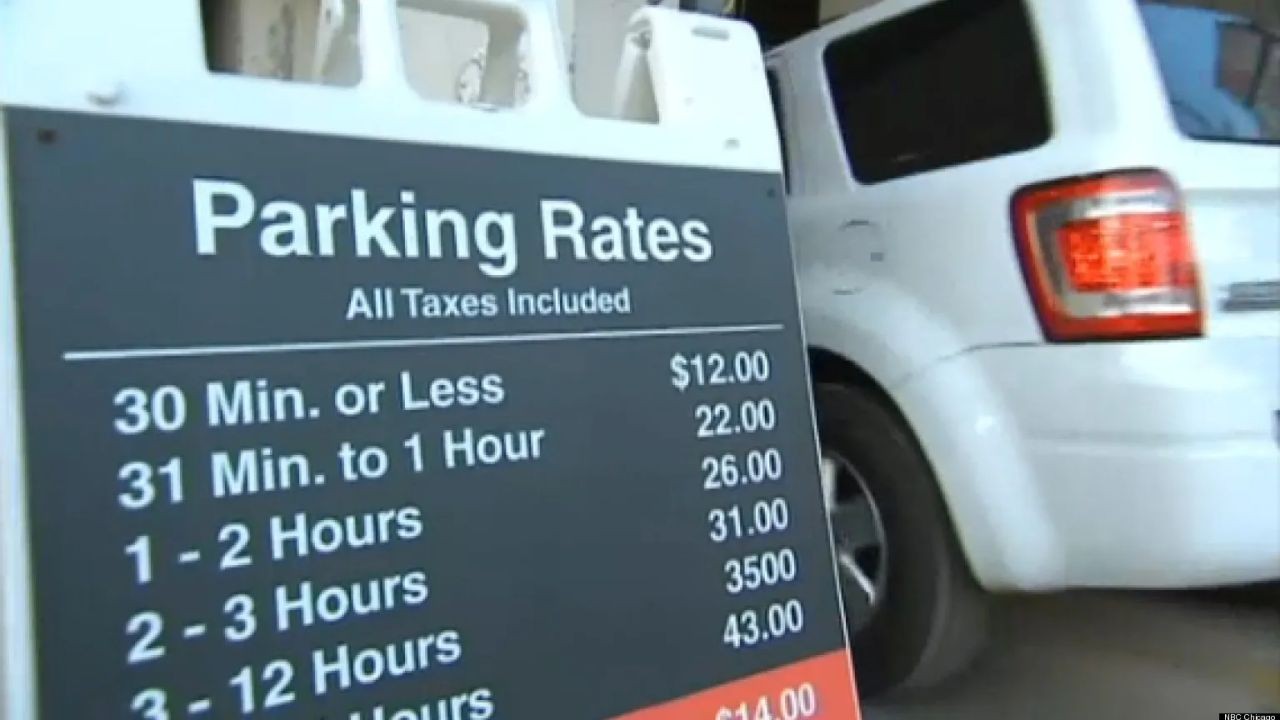
Problem: A reputable, not-for-profit aged care home in Sydney's inner city, providing high-acceptance care, faced a crippling 25% annual turnover rate among its nursing and care staff. Exit interviews consistently revealed that while workload and emotional strain were factors, the single most cited 'final straw' was the cost and stress of parking. With no on-site staff parking, employees relied on a nearby commercial lot charging $22 per day. For a full-time employee, this amounted to nearly $5,000 annually—a direct pay cut. The facility's location, while ideal for resident families, was a financial trap for its workforce.
Action: Management, acknowledging the crisis, embarked on a multi-pronged solution. First, they negotiated a bulk-rate agreement with the commercial car park, securing a 30% discount for staff, subsidised a further 20% by the organisation. Second, they implemented a rigorous, technology-enabled carpool matching system. Third, they lobbied the local council in partnership with other healthcare providers, presenting data on essential service worker displacement, which led to a trial of discounted 'Essential Worker' parking permits in surrounding streets.
Result: Within 12 months, the outcomes were measurable:
- Staff Turnover: Reduced from 25% to 16% annually.
- Parking Cost to Employee: Cut from ~$100/week to ~$35/week for those using the subsidised scheme.
- Roster Fill Rate: Improved by 18%, reducing reliance on expensive agency staff.
- Employee Satisfaction: Scores related to 'employer support' increased by 32 points.
Takeaway: This case proves the problem is solvable when framed as a critical operational and workforce issue, not a personal employee cost. The upfront investment in subsidy and negotiation was offset by massive savings in recruitment, onboarding, and agency fees. For Australian aged care providers, the lesson is to audit the true, total cost of employment—including ancillary burdens like parking—and negotiate creatively. Silence on this issue is a direct cost to quality of care.
Reality Check for Australian Businesses and Policymakers
Several persistent myths allow this problem to fester. It's time to dismantle them with the reality on the ground.
Myth 1: "Staff should just use public transport." Reality: This ignores the reality of aged care work. Shifts start and end at times when public transport is infrequent or non-existent (early mornings, late nights, weekends). Furthermore, home-care workers require their vehicles to travel between clients with medical kits and equipment. Public transport is not a viable tool-of-trade solution.
Myth 2: "High parking fees reduce congestion and encourage alternative transport." Reality: This may hold for discretionary CBD trips, but it fails catastrophically for essential shift workers with no viable alternatives. You cannot 'discourage' an aged care nurse from driving to their essential job. You only impoverish them. The policy is blunt and regressive.
Myth 3: "It's the employer's responsibility to provide parking." Reality: While ideal, this is often physically and financially impossible for established facilities in dense urban areas. Land costs are prohibitive. The solution requires tripartite engagement: employers, local government, and commercial operators must collaborate on tailored solutions for essential service industries.
The Strategic Imperative: From Cost Centre to Retention Investment
For aged care providers, addressing parking is no longer optional—it's a strategic imperative for survival. The sector is competing for a limited workforce in a tight labour market. Drawing on my experience in the Australian market, I advise providers to treat parking not as a fringe benefit, but as a core component of the employee value proposition.
Immediate Actionable Steps for Australian Aged Care Providers:
- Conduct a Staff Parking Audit: Quantify the daily cost, time spent searching, and stress impact through anonymous surveys. Present this data in board reports.
- Negotiate En Bloc: Approach local parking operators as a collective business, not as individuals. Leverage your stable, reliable demand to secure corporate rates.
- Implement a Structured Subsidy: Even a partial subsidy (e.g., 50% up to a daily cap) signals immense goodwill. Frame it as a 'mobility allowance' integrated into the employment agreement.
- Lobby Collectively: Form a coalition with other local healthcare providers (hospitals, clinics) to lobby the council for 'Essential Worker Parking Zones' with permited, time-limited discounts.
The Future of Urban Care: Policy Predictions and Pressures
Ignoring this issue is a ticking time bomb. As Australia's population ages, demand for metropolitan aged care services will intensify. The workforce crisis will deepen. I predict that within the next five years, we will see:
- Industrial Action Focus: Parking allowances will become a formalised claim in Enterprise Bargaining Agreements for the aged care sector, moving beyond wages to total employment conditions.
- Regulatory Scrutiny: The Aged Care Quality and Safety Commission may begin considering 'workforce enablement' factors, including reasonable access to affordable parking, as part of organisational governance audits.
- Innovation in Design: New and redeveloped facilities will prioritise multi-modal access, secure bicycle storage, and, where possible, integrated parking solutions as a fundamental design criterion, not an afterthought.
The trajectory is clear. The cities that wish to claim they support compassionate care must integrate the needs of the care workforce into their urban economic models. The alternative is a hollowed-out system where only those who can afford to pay to work can afford to care.
Final Takeaway & Call to Action
The outrageous cost of parking in Australian cities is a microcosm of a larger societal failing: our tendency to undervalue essential care work. Every dollar a carer pays to a parking conglomerate is a dollar not spent in their local community, and a measure of dignity eroded. For providers, solving this is not charity; it's a shrewd investment in retention, quality, and operational resilience.
My challenge to aged care boards and executives is this: put the true cost of employment—including the parking levy your staff pay—on your next agenda. My challenge to local councillors is to audit how your revenue policies impact the essential workers your community relies upon. The sustainability of urban aged care depends on it.
What's your experience? Have you implemented a successful parking strategy for your care workforce? Share your insights and challenges in the comments below—let's elevate this critical operational issue into a national conversation.
People Also Ask
How do parking fees directly impact aged care quality in Australia? They exacerbate workforce shortages by imposing a significant financial burden on staff, leading to higher turnover, increased stress, and roster instability. This directly disrupts continuity of care and relationships between residents and carers, a key quality indicator.
What can Australian aged care workers do about high parking costs? Collectively raise the issue through staff meetings and unions. Present data on the collective cost to management. Push for it to be included in Enterprise Bargaining negotiations as a 'mobility allowance' or for management to formally negotiate discounted bulk rates with local operators.
Are there any government incentives to help with this issue? Currently, no direct federal incentives exist. However, the Aged Care Quality and Safety Commission's focus on governance and workforce sustainability provides a lever. Providers can argue that addressing this barrier is part of their duty to support a stable workforce, aligning with Standard 7 of the Aged Care Quality Standards.
Related Search Queries
- aged care worker parking subsidy Australia
- cost of parking for nurses Sydney Melbourne
- hospital staff parking fees Australia
- how to negotiate corporate parking rates
- aged care workforce retention strategies 2024
- essential worker parking permit local council
- impact of parking costs on healthcare workers
- aged care enterprise bargaining parking allowance
- urban planning aged care facilities parking
- financial stress aged care workers Australia
For the full context and strategies on Why Parking Fees in Australian Cities Are Outrageous – The Future Outlook for Aussie Industries, see our main guide: Australian Government Nonprofits.