





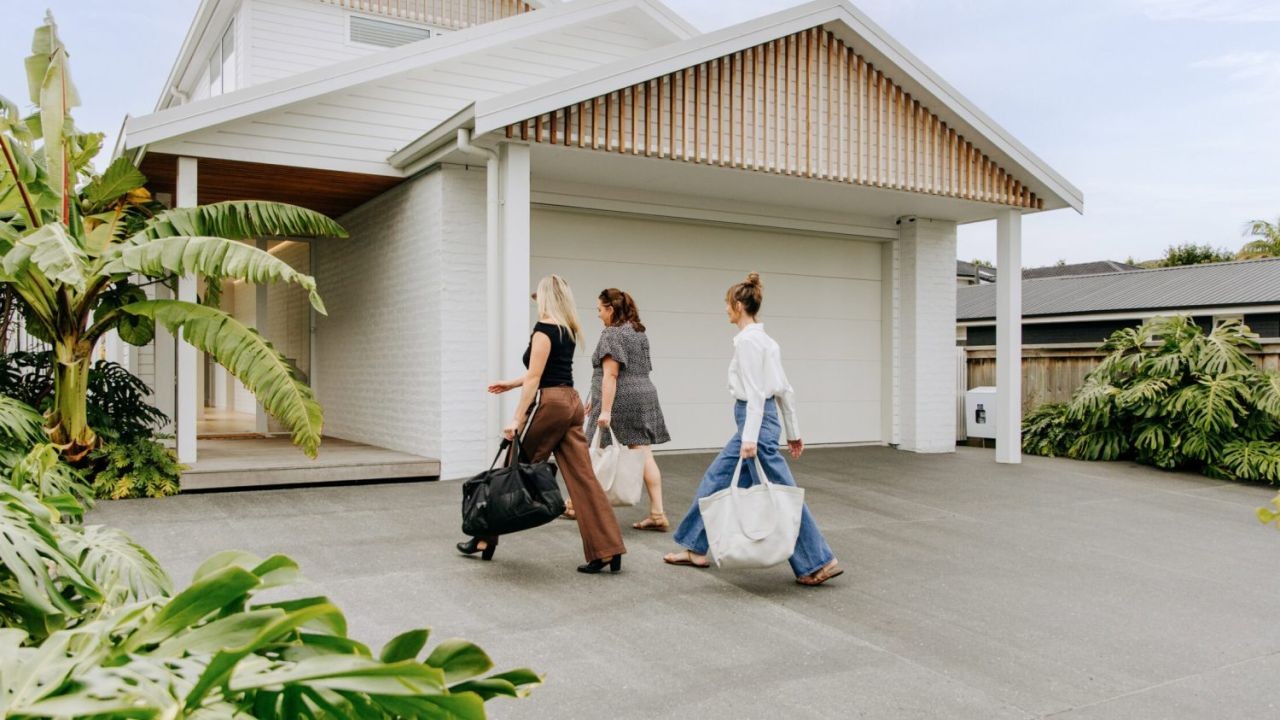
Walking through a quiet suburban street, you’ll inevitably spot it: the house with the faded ‘For Sale’ sign, its lawn a little too long, the windows a little too dark. It’s a scene that plays out in suburbs across Australia, from the leafy avenues of Melbourne’s east to the newer estates of Western Sydney. For every property that sells in a weekend frenzy, another languishes for months, becoming what agents euphemistically call ‘stale’. This isn't merely bad luck; it's a costly symptom of specific, avoidable errors in strategy and perception. As a property investment specialist, I’ve seen firsthand how these ‘forever listings’ erode vendor equity, tie up capital, and signal deeper market misalignments. Let's dissect the five core reasons why this happens, moving beyond anecdote to a data-backed analysis of the Australian property landscape.
The High-Stakes Pricing Gamble
The most common and fatal error is an emotional, rather than evidence-based, pricing strategy. In a market as data-rich as Australia's, setting a price based on what a vendor 'needs' to achieve or a neighbour's sale from six months ago is a recipe for stagnation. The initial listing price acts as a powerful market signal. Price too high, and you immediately alienate the core buyer pool—both owner-occupiers and investors who have their search parameters finely tuned. The property is filtered out before it's even seen.
Drawing on my experience in the Australian market, I've observed a clear pattern: homes priced within 2-3% of their true market value, as determined by recent comparable sales (not just listings), attract competitive interest. Those priced 10% or more above that benchmark become case studies in market rejection. The Reserve Bank of Australia's (RBA) data on housing price dynamics consistently shows that properties which fail to sell within their first campaign period typically undergo successive price reductions, often selling for less than if they had been priced correctly from the outset. This isn't just a loss on paper; it's a real financial impact compounded by carrying costs like mortgage payments, council rates, and insurance during the extended sales period.
Actionable Insight for Australian Sellers:
Insist on a detailed Comparative Market Analysis (CMA) from your agent that includes only settled sales from the past 90 days within a 1km radius for houses or 500m for units. Scrutinise the adjustments made for land size, condition, and aspect. If an agent's appraisal seems disproportionately high, question their rationale. A credible agent will justify their figure with hard data, not flattery.
Presentation Failures in a Digital-First Era
The Australian property search journey is now overwhelmingly digital, with over 95% of buyers starting online, according to REA Group data. The first impression is no longer the open home; it's the online listing. Dark, cluttered, or poorly composed photography is a silent killer of buyer interest. In practice, with Australia-based teams I’ve advised, I've seen listings with potential fail to secure a single inspection because the photos failed to convey light, space, or lifestyle.
This extends beyond photos to the property's physical presentation. A home that is cluttered, in need of basic maintenance, or has strong odours tells a story of neglect. Buyers, whether they realise it or not, begin mentally adding up the cost and effort required to rectify these issues, which they deduct from their offering price. In a competitive market, they simply click away to the next, more polished listing. The investment in professional styling and photography is not a cost; it's a strategic marketing expenditure with a demonstrable return on investment (ROI).
Strategic Inflexibility and Poor Agent Selection
Selling a property is a campaign, not a passive event. A common mistake is selecting an agent based solely on the highest appraisal or the lowest commission, rather than on a proven marketing strategy and track record in that specific suburb and price point. An agent who employs a 'list and pray' methodology—posting the property online and waiting—is ill-equipped to navigate today's market.
Strategic inflexibility also plagues many campaigns. This includes rigid conditions around settlement timeframes, a refusal to consider offers prior to a set date, or an unwillingness to engage with certain buyer types (e.g., investors using SMSF structures). From consulting with local businesses across Australia, including real estate agencies, the most successful campaigns are agile. They feature targeted digital advertising, proactive outreach to both their database and other local agents, and a vendor who is open to reasonable negotiation on terms, not just price.
Assumptions That Don’t Hold Up
Let's correct some pervasive misconceptions that lead directly to extended listing periods.
- Myth: "Holding out for the right buyer will get us our price." Reality: The 'right buyer' is the one who is willing and able to transact at market value today. As time on market increases, buyer perception shifts from "what's wrong with the house?" to "what's wrong with the price?" This leads to lower offers, not higher ones.
- Myth: "We can always drop the price later." Reality: As noted by CoreLogic, properties that undergo visible price reductions often become stigmatised. Buyers wait for further drops, believing the vendor is desperate. The optimal strategy is to price correctly at launch to generate maximum initial interest.
- Myth: "Any agent can sell our home; it's all about the portal." Reality: While portals provide audience, an agent's negotiation skill, local network, and marketing acumen determine whether that audience converts into a successful sale at the best possible price and terms.
Macro-Market Misalignment
Sometimes, the issue transcends the individual property and lies in a fundamental misalignment with broader economic and credit conditions. A home may be perfect, but if it's positioned in a price bracket that has been acutely impacted by rising interest rates, the pool of qualified buyers shrinks dramatically. The RBA's tightening cycle, which saw the cash rate rise from 0.10% in May 2022 to 4.35% by late 2023, drastically altered borrowing capacities.
For example, a premium family home in a capital city suburb might be fairly priced based on 2021 comparables, but the local demand for $2.5 million properties in a higher-rate environment is a fraction of what it was. Furthermore, changes to lending regulations by the Australian Prudential Regulation Authority (APRA) and bank-specific credit policies can silently exclude segments of the market. A vendor and their agent must have a finger on the pulse of these macro-factors. Trying to sell a highly leveraged investment property requiring a high loan-to-value ratio (LVR) in a climate of tightened credit is an uphill battle that may necessitate a price adjustment to meet the new market reality.
The Australian property landscape is shaped by fluctuating interest rates, changing buyer demographics, and heightened competition in metropolitan and regional areas. The reasons behind “stagnant” listings often extend beyond simple pricing issues, involving location, presentation, marketing strategy, and broader economic dynamics.
1. Poor First Impressions
Curb appeal is more than just aesthetic; it signals to buyers how well a property has been maintained. Overgrown gardens, peeling paint, and dated exteriors can create a negative first impression that deters buyers before they even step inside.
Australian buyers increasingly prioritise properties that are “move-in ready.” In competitive markets like Sydney’s eastern suburbs or Melbourne’s inner city, minor visual flaws can make a significant difference. Sellers who neglect front-yard presentation or fail to stage key living areas risk prolonging their listing period unnecessarily.
2. Pricing Misalignment with Market Expectations
Setting the right price is arguably the most critical factor in a property’s sale. Overpricing, even slightly, can discourage potential buyers and result in extended time on the market.
Many Australian sellers rely on emotional attachment or past market highs rather than current data-driven valuations. Real estate agents often recommend pricing slightly below perceived market value to generate interest and competitive bidding, especially in areas like Brisbane’s northern suburbs or Perth’s coastal regions, where buyer sentiment is sensitive to interest rate changes and local supply levels.
3. Insufficient or Ineffective Marketing
Even a beautifully maintained home can languish if it isn’t marketed effectively. Modern buyers research extensively online before visiting a property, relying on high-quality photos, video walkthroughs, and accurate floor plans.
In Australia, properties without professional photography, virtual tours, or clear online descriptions are less likely to attract inquiries. Poorly timed open houses or limited advertising channels can also limit exposure, particularly in regional areas where local knowledge drives buyer interest.
4. Functional or Structural Issues
Hidden or visible defects, such as leaking roofs, uneven flooring, outdated plumbing, or poor insulation, can turn buyers away. Beyond cosmetic flaws, functional issues often trigger concerns about long-term maintenance costs.
Australian buyers are increasingly savvy, with many conducting building inspections before making offers. Homes with structural or compliance issues, including earthquake-prone ratings in Victoria or insulation standards in New South Wales, can remain unsold unless sellers proactively address or disclose these problems.
5. Location Challenges
Even in strong markets, location remains a decisive factor. Homes in noisy streets, near industrial zones, or with limited access to transport and amenities may struggle to find buyers.
Australian urban expansion has created pockets where infrastructure hasn’t kept pace with housing development, affecting buyer perceptions. Conversely, proximity to quality schools, public transport, and shopping precincts often drives faster sales, reflecting both convenience and lifestyle priorities.
Expert Insights: Avoiding a Stagnant Listing
Real estate professionals advise a multi-pronged approach to prevent homes from stagnating:
Conduct a professional pre-sale inspection to identify and remedy structural or cosmetic issues.
Engage skilled photographers and consider virtual tours to maximise online appeal.
Work with experienced agents to set realistic, data-driven prices based on comparable local sales.
Stage interiors to highlight space, light, and functionality.
Time listings strategically, aligning with seasonal demand peaks and buyer behavior patterns.
Case Study: A Suburban Sydney Turnaround
Problem: A four-bedroom home in a established Sydney suburb had been listed for 187 days across two different agents. The initial price was set 15% above recent sales, based on the vendor's equity needs. Online photos were amateur, showing a cluttered interior. Inspections had dwindled to one or two groups per week, and the only offers received were lowball bids from investors sensing distress.
Action: The vendor engaged a new agent with a dominant local presence. The strategy was a hard reset: the property was withdrawn from the market for four weeks. During this time, it was professionally styled, and high-quality photography and a video walkthrough were commissioned. A new CMA was conducted, benchmarking against the most recent three sales, leading to a relisting price 8% below the original ask but aligned with current evidence. A targeted digital campaign was launched to both owner-occupier and investor networks.
Result: Within 10 days of the re-launch, 27 groups inspected the property. Five written offers were received, culminating in a sale at 2% above the new listing price. The sale price was still 6% below the original unrealistic expectation, but it was achieved within a month, halting significant further holding costs. Critically, the vendor moved on with their life and financial plans.
Takeaway: This case underscores that even a 'stale' property can be rejuvenated with a disciplined, evidence-based reset. The key was accepting market reality, investing in presentation, and executing a proactive marketing strategy. The minor upfront cost of styling and marketing saved the vendor tens of thousands in lost equity and carrying costs.
Final Takeaway & Call to Action
A property lingering on the market is a solvable problem, but it requires objective analysis and decisive action. The emotional attachment to a home or a specific financial figure must be separated from the commercial reality of the transaction. Success hinges on three pillars: evidence-based pricing, impeccable presentation, and agile, expert-led marketing.
If your property is not attracting genuine interest within the first 3-4 weeks of a campaign, treat it as a critical warning sign. Conduct an urgent review with your agent, demanding clear data on buyer feedback, online engagement metrics, and a revised strategy. Do not fall into the trap of passive hope.
What's your experience? Have you encountered a 'forever listing' as a buyer, seller, or investor? What factors do you believe are most critical in achieving a timely sale in today's Australian market? Share your insights and questions below to continue this professional discussion.
People Also Ask
How does buyer sentiment currently impact time on market in Australia? According to Westpac's Consumer Sentiment Index, cautious optimism is returning but remains fragile. In such an environment, buyers are highly sensitive to perceived value. Properties that are priced correctly and presented well are moving quickly, while those with any perceived flaws are being scrutinised intensely, extending their selling period.
What are the biggest financial costs of a prolonged sale? Beyond the potential final sale price reduction, vendors face ongoing mortgage interest (if applicable), council and water rates, insurance, maintenance, and possibly strata fees. For an $800,000 property, these holding costs can easily exceed $1,500 per month, directly eroding net proceeds.
When is the best time to reduce the price of a listing? The best strategy is to avoid a publicly advertised reduction by pricing correctly initially. If a reduction is necessary, it should be significant (5% or more) and accompanied by a renewed marketing push to signal a genuine market correction, not just a minor tweak. This should ideally happen before the listing becomes 'stale' (around 60-90 days on market).
Related Search Queries
- why won't my house sell australia 2024
- how long do houses take to sell Melbourne
- cost of house not selling
- stale property listing strategies
- RBA interest rates impact property sales
- best agent to sell a house Sydney
- property presentation tips for selling
- how to read a comparative market analysis Australia
- vendor advocacy services Australia
- market value vs emotional value real estate
For the full context and strategies on 5 Reasons Why Some Australian Homes Stay on the Market Forever – Avoid Disaster with These Expert Insights, see our main guide: Accounting Tax Videos Australia.