





The romanticism surrounding New Zealand’s organic food movement is a powerful narrative. We picture rolling green hills, happy livestock, and a return to the simple, pure agriculture of our grandparents. It is a story that sells, and it sells at a premium. But as a tax specialist who has spent years dissecting the financial anatomy of Kiwi businesses, I can tell you that the glossy surface hides a complex, and often unprofitable, reality. The "secret truth" isn't about pesticides or soil health; it is about the brutal economics of certification, the hidden tax traps of land use, and a looming regulatory cliff that will separate the genuinely sustainable from the merely fashionable.
This article is not a celebration of the movement. It is a forensic audit. We will dissect the financial incentives, the tax pitfalls, and the strategic blunders that are bleeding Kiwi organic producers dry. If you are an investor, a landowner, or a business owner considering the organic transition, you need to stop listening to the marketing and start looking at the balance sheet. Let’s get to the truth.
The Illusion of the Premium: Why "Organic" Isn't a License to Print Money
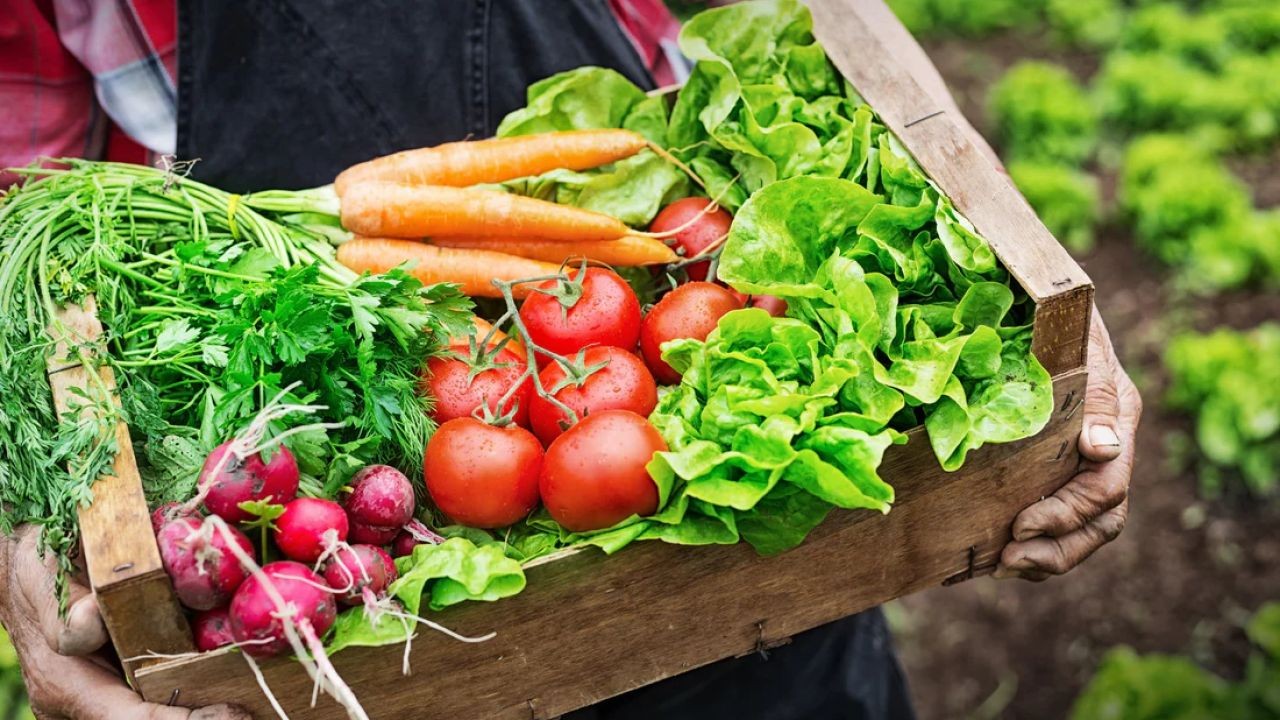
The primary lure for any business entering the organic sector is the price premium. A head of organic lettuce can fetch 50-100% more than its conventional counterpart. The logic seems sound: higher revenue equals higher profit. This is a dangerous oversimplification.
From consulting with local businesses in New Zealand, I have seen countless operators fail to account for the "hidden cost of compliance." The premium is not pure profit; it is compensation for a significant increase in operational risk and overhead. Let’s look at the numbers.
The Real Cost of Certification
Obtaining and maintaining certification from a body like BioGro or AsureQuality is not a one-off fee. It is an annual, escalating expense. The costs include:
- Audit Fees: Annual on-site inspections that can cost thousands, depending on farm size and complexity.
- Input Costs: Approved organic fertilisers, pest controls, and animal feed are significantly more expensive than synthetic alternatives. A 2023 study by Plant & Food Research indicated that organic feed costs for poultry can be up to 40% higher than conventional feed.
- Yield Volatility: Without synthetic pesticides and herbicides, crop yields can fluctuate wildly. A single wet spring can wipe out an entire organic stone fruit crop, a risk that conventional growers can mitigate with fungicides.
- Labour Intensity: Manual weeding and pest management is labour-intensive. In a tight labour market like New Zealand’s, this is a crippling cost.
Next steps for Kiwi farmers: Before you certify, build a "worst-case scenario" cash flow model. Assume a 20% yield reduction for the first three years. If the organic premium cannot cover this AND the increased input costs, the business model is fundamentally flawed.
The Tax Trap: Land Use, Depreciation, and the IRD’s Watchful Eye
This is where the "secret truth" gets deeply uncomfortable. The tax treatment of organic farming in New Zealand is a minefield, and the IRD is not your friend. Many operators are making critical errors that are eroding their capital base.
The Capital vs. Revenue Expenditure Nightmare
Transitioning to organic farming requires significant capital investment: new fencing for stock rotation, specialized composting infrastructure, and often, new storage facilities to prevent cross-contamination. The critical tax question is: Is this capital expenditure (CAPEX) or revenue expenditure?
Based on my work with NZ SMEs, I have seen the IRD aggressively reclassify what a farmer thought was a deductible revenue expense (e.g., "soil remediation") as CAPEX. The logic? If the expenditure provides a "long-term enduring benefit" to the land—which organic transition certainly does—it cannot be immediately expensed. It must be capitalised and depreciated over the asset’s useful life. This destroys cash flow in the crucial transition years.
Case Study: The Wairarapa Vineyard Miscalculation
Problem: A mid-sized vineyard in the Wairarapa decided to go organic. They spent $150,000 on compost, cover cropping, and biological pest control systems over two years. Their accountant expensed the entire amount as "repairs and maintenance."
Action: The IRD audited the return. They argued that the expenditure was not maintaining the land's existing state, but improving it to a "higher standard of productive capacity."
Result: The $150,000 was reclassified as CAPEX. The business lost the immediate tax deduction, faced a back-tax bill of $42,000 (at the 28% company tax rate), plus use-of-money interest. The cash flow impact nearly bankrupted the operation.
Takeaway: Never assume an organic transition cost is deductible. Get a binding ruling from the IRD *before* you spend the money. Document every dollar spent with a clear rationale for why it is "repair and maintenance" versus "improvement."
The Looming Regulatory Cliff: The "Greenwashing" Crackdown
The organic sector is about to face its biggest challenge: regulatory legitimacy. The global crackdown on "greenwashing" is coming to New Zealand with force. The Commerce Commission’s recent "Environmental Claims Guidelines" are just the opening salvo.
The Problem of "Natural" vs. "Certified Organic"
For years, producers have used terms like "natural," "free-range," and "pasture-raised" to command a premium without the cost of certification. This is ending. The Commission is now actively pursuing cases of misleading environmental claims. The risk for *certified* organic producers is that this regulatory tightening will flood the market with "near-organic" products that confuse consumers and erode the value of the certification.
Drawing on my experience in the NZ market, I predict a bifurcation. The top-tier, genuinely certified producers will survive, but they will face a brutal price war from "natural" producers who have lower compliance costs. The losers will be the mid-tier operators who paid for certification but cannot differentiate their story effectively.
How NZ businesses can apply this today: Do not rely solely on the "Organic" logo. Build a brand narrative that is defensible. Use traceability technology (like blockchain) to prove your supply chain. The tax deduction for this technology? That is another conversation, but the short answer is: software as a service (SaaS) costs are generally deductible as an operating expense.
The Export Paradox: Currency, Freight, and the "NZ Inc." Brand
New Zealand’s organic sector is heavily export-oriented. Our domestic market is too small to absorb the volumes. This creates a dangerous dependency on global supply chains and foreign exchange rates.
The Freight Cost Crunch
Organic products are often perishable (fresh produce, dairy). They require air freight or expensive, temperature-controlled shipping. Since 2020, global freight costs have remained structurally higher. A 2024 report from the Ministry for Primary Industries (MPI) noted that freight costs now represent up to 35% of the total landed cost for some organic products into the European market. This is destroying margins.
Data-Driven Insight from Stats NZ: Stats NZ data from Q2 2024 shows that while the volume of organic dairy exports increased by 12% year-on-year, the *value* per unit decreased by 4%. This is a classic "race to the bottom" scenario. We are shipping more but earning less per litre. This is a key indicator of a market reaching saturation.
The Currency Gambit
Most organic exports are priced in USD or EUR. A strong New Zealand dollar is a silent killer. When the NZD rises, the exporter’s revenue in NZD terms falls. Few organic producers use sophisticated hedging strategies to manage this risk. They are effectively gambling on currency movements.
Actionable Strategy for Kiwi Exporters: Treat currency risk as a core business cost. Work with a treasury advisor to implement a simple forward contract strategy to lock in exchange rates for 6-12 months. The cost of the hedge is a deductible business expense. The cost of not hedging could be your entire profit margin.
Common Myths & Mistakes in the NZ Organic Sector
Let’s debunk the folklore that is costing investors and operators dearly.
Myth 1: "organic farming is more profitable because of the premium."
Reality: The premium is shrinking. As supply increases (global organic acreage is up 6% annually), the premium is compressing. In many categories (e.g., kiwifruit, milk), the premium no longer covers the higher cost of production and yield loss. The profit margin is often *lower* than conventional farming.
Myth 2: "The land is an appreciating asset because it's organic."
Reality: This is a dangerous assumption for balance sheet valuation. Organic certification does not automatically increase land value. If the organic operation is unprofitable, the land is worth *less* because a buyer would have to pay to re-certify or spend money transitioning back to conventional use. The "organic premium" on land value is a myth unless the business generates a sustainable profit.
Myth 3: "You can claim a tax deduction for the entire cost of transition in one year."
Reality: As detailed above, the IRD views significant transition costs as capital improvements. You must depreciate them. Assuming immediate deductibility is a fast track to an audit and a significant back-tax bill.
Pros & Cons of Investing in NZ Organic Agriculture (2026 Perspective)
Here is a clear-eyed assessment for anyone evaluating this sector.
✅ Pros:
- Brand Resilience: The "NZ Pure" narrative has genuine global cachet. Premium brands like Lewis Road Creamery have proven the model works at scale.
- Regulatory Tailwind: The crackdown on greenwashing will eventually remove the "free riders" who dilute the market, potentially strengthening the position of certified producers.
- Innovation Potential: There is significant room for innovation in regenerative agriculture and bio-inputs, which could lower costs and improve yields for early adopters.
❌ Cons:
- Margin Compression: The core economic model of "premium for compliance" is under severe pressure from rising costs and market saturation.
- Tax Complexity: The IRD’s aggressive stance on capital vs. revenue expenditure creates significant cash flow risk.
- Labour Dependency: The model is far more labour-intensive, and NZ’s chronic labour shortage is not going away.
- Export Risk: High exposure to volatile freight costs and currency fluctuations.
The Debate: Is "Regenerative" the New Organic?
A fierce debate is raging. Many argue that the "Regenerative Agriculture" movement is the true future, and that "Organic" is a bureaucratic, expensive dead-end.
Side 1 (The Organic Advocate): "Certification is the only guarantee. Without the standard, 'regenerative' is just marketing fluff. The organic standard provides a legal framework that protects the consumer and the producer."
Side 2 (The Regenerative Critic): "The organic standard is a static, input-focused checklist. It doesn't measure outcomes like soil carbon sequestration or biodiversity. It is expensive and doesn't reward the farmers who are actually regenerating the land. It is a tax on innovation."
⚖️ The Middle Ground: The most likely outcome is a hybrid. We will see the development of an "Outcomes-Based" certification that measures actual environmental impact (e.g., carbon stored, water quality improved). This will be the next big tax debate: How do you value and tax "ecosystem services"? This is a frontier issue for the IRD and the Treasury.
Future Forecast: The 5-Year Roadmap for NZ Organic
Based on current data from MBIE, MPI, and global trends, here is my forecast for the sector through 2030.
- Year 1-2 (2025-2026): Consolidation. The "mid-tier" operators (small to medium farms with high debt) will fail or be acquired by larger corporate entities. The market will consolidate into a handful of large, vertically integrated players.
- Year 3-4 (2027-2028): The Tech Revolution. Precision agriculture (AI-driven weeding, drone monitoring) will begin to lower the labour cost for large organic operations. This will be a capital-intensive shift, favouring well-funded players.
- Year 5 (2029-2030): The "Carbon + Organic" Premium. The market will demand products that are both organic AND carbon-neutral (or carbon-positive). This will create a new, two-tier premium. Producers who can prove both will win. Those who cannot will be commoditised.
Bold Prediction: By 2030, the number of certified organic producers in New Zealand will be 30% lower than today, but the total organic land area will be 50% larger. The "family farm" organic model will be largely extinct, replaced by corporate, tech-enabled operations.
Final Takeaways: The Tax Specialist’s Verdict
- ✅ Fact: The organic premium is shrinking and no longer guarantees profitability.
- 🔥 Strategy: Treat the transition to organic as a 5-year capital project, not a quick operational change. Secure a binding tax ruling from the IRD on all major expenditure items.
- ❌ Mistake to Avoid: Do not conflate "brand value" with "asset value." An unprofitable organic farm is a liability, not an appreciating asset.
- 💡 Pro Tip: Invest in traceability technology (blockchain/SaaS) now. It is immediately deductible and will be essential to command a premium in the "Carbon + Organic" market of 2030.
- 🔮 Prediction: The "Regenerative" movement will either merge with or supplant the "Organic" standard, creating a new, more complex regulatory framework that will favour corporate capital over family farms.
People Also Ask (FAQ)
How does the organic food movement impact tax liabilities for NZ farmers? It significantly increases the risk of capital versus revenue expenditure reclassification by the IRD. Transition costs (soil remediation, infrastructure) are often deemed capital improvements, forcing farmers to depreciate them over years rather than deducting them immediately, which crushes short-term cash flow.
What are the biggest misconceptions about organic farming profitability? The biggest myth is that the price premium covers all costs. In reality, higher input costs, lower yields, and labour intensity often erase the premium. A 2024 MPI report noted that freight costs alone can consume 35% of revenue for export organic goods.
What upcoming regulatory changes in New Zealand could affect organic producers? The Commerce Commission’s crackdown on greenwashing will force all producers to substantiate environmental claims. This will increase compliance costs for certified producers but may also remove uncertified competitors, potentially strengthening the market for genuine operators.
Related Search Queries
- IRD tax treatment of organic farming costs
- Is organic farming profitable in New Zealand?
- BioGro certification cost and tax deduction
- Regenerative agriculture vs organic farming NZ
- New Zealand organic export market trends 2025
- Capital gains tax on organic farmland
- Greenwashing regulations New Zealand Commerce Commission
For the full context and strategies on The Secret Truth Behind New Zealand’s Organic Food Movement – The Kiwi Blueprint for Long-Term Success, see our main guide: Food Beverage Video Ads New Zealand.