




As the world becomes increasingly conscious of its carbon footprint, sustainable construction has emerged as a pivotal focus in the real estate industry. In New Zealand, a nation celebrated for its stunning landscapes and commitment to eco-friendliness, the promotion of sustainable housing is not just a trend but a necessity. This article delves into how video content is revolutionizing the way we promote eco-friendly housing, offering both local and global perspectives on sustainable construction.
🌿 The Current State of Sustainable Construction in New Zealand
New Zealand is globally recognized for its commitment to sustainability. The government has set ambitious targets to reduce carbon emissions, aligning with the country's dedication to preserving its natural beauty. According to Stats NZ, the construction sector contributes approximately 20% of New Zealand's greenhouse gas emissions. This statistic underscores the urgent need for sustainable practices within the industry.
Recent initiatives, such as the Building for Climate Change program by the Ministry of Business, Innovation, and Employment (MBIE), aim to improve energy efficiency and reduce emissions in the construction sector. These policies are designed to steer New Zealand towards a more sustainable future, encouraging the adoption of eco-friendly building practices.
🚀 Future Forecast & Trends in Sustainable Construction
The future of construction in New Zealand is set to be dominated by sustainable practices. The integration of video content into marketing strategies is proving to be a game-changer for promoting eco-friendly housing. With an increasing number of Kiwis relying on digital platforms for information, videos offer an engaging and persuasive medium to showcase the benefits of sustainable homes.
According to a report by the Reserve Bank of New Zealand, the country's digital economy is expected to grow significantly in the coming years. This growth will inevitably influence how real estate is marketed, with video content playing a crucial role in reaching potential buyers and investors. In the next five years, we can expect to see an increase in virtual tours, 3D walkthroughs, and educational videos that highlight the advantages of sustainable living.
🎥 The Power of Video in Promoting Eco-Friendly Housing
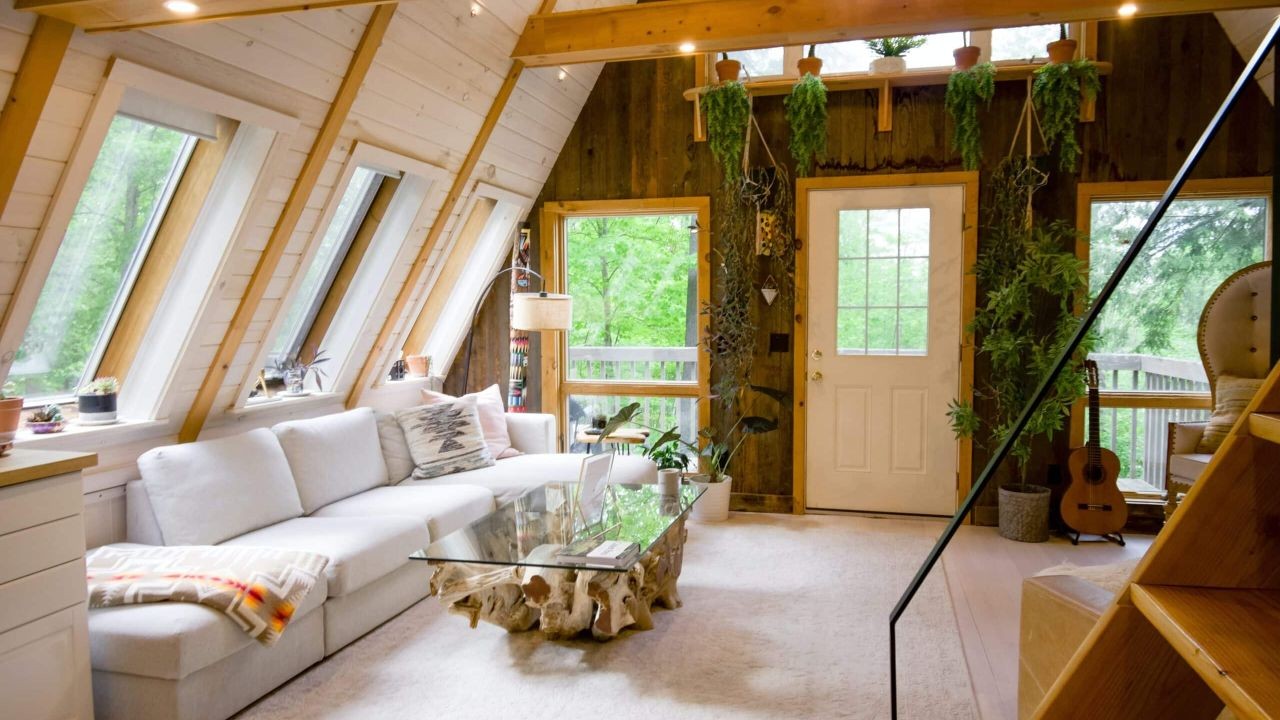
Video marketing is not just a tool for engagement; it is a powerful medium for education and transformation. By showcasing real-life examples of sustainable homes, videos can effectively communicate the benefits of eco-friendly living. This format allows potential buyers to visualize the aesthetic and functional aspects of sustainable homes, making it easier to understand the long-term benefits.
In New Zealand, companies like EcoSmart Homes are leading the charge by producing high-quality video content that highlights their sustainable building practices. These videos not only showcase the homes but also delve into the construction process, materials used, and the environmental impact, offering transparency and building trust with consumers.
📊 Case Study: EcoSmart Homes – Revolutionizing Sustainable Living
Problem: EcoSmart Homes, a leading sustainable housing developer in New Zealand, faced the challenge of effectively communicating the value of their eco-friendly homes to a broad audience. Despite the growing interest in sustainability, many potential buyers were unaware of the tangible benefits these homes offered.
Action: To address this challenge, EcoSmart Homes launched a comprehensive video marketing campaign. They produced a series of videos highlighting the design, construction, and benefits of their sustainable homes. The campaign included virtual tours, interviews with architects, and testimonials from satisfied homeowners.
Result: The video campaign significantly increased engagement and interest in EcoSmart Homes. Within six months, the company saw a 35% increase in inquiries and a 20% rise in sales. The videos not only educated potential buyers but also established EcoSmart Homes as a leader in sustainable construction.
Takeaway: This case study underscores the power of video content in promoting sustainable housing. By leveraging engaging and informative videos, real estate companies can effectively communicate the benefits of eco-friendly living, ultimately driving sales and fostering a greener future.
🔄 Debate & Contrasting Views on Sustainable Construction
While the benefits of sustainable construction are widely acknowledged, there are differing opinions on its implementation and effectiveness. On one hand, advocates argue that sustainable construction is essential for reducing environmental impact and promoting long-term savings. On the other hand, critics point out the high initial costs and potential challenges in retrofitting existing structures.
✅ Pros of Sustainable Construction
- Environmental Impact: Sustainable construction significantly reduces carbon emissions and conserves natural resources.
- Long-Term Savings: While initial costs may be high, energy-efficient homes offer substantial savings on utility bills over time.
- Market Appeal: Increasingly, buyers are seeking eco-friendly homes, making them a valuable investment.
- Regulatory Compliance: Aligning with government policies can lead to incentives and reduced regulatory hurdles.
❌ Cons of Sustainable Construction
- Initial Costs: The upfront investment required for sustainable materials and technologies can be significant.
- Technical Expertise: Implementing sustainable practices requires specialized knowledge and skilled labor.
- Retrofitting Challenges: Upgrading existing buildings to meet sustainable standards can be complex and costly.
🧠 Expert Opinion & Thought Leadership
Experts in the field of sustainable construction emphasize the importance of a balanced approach. Dr. Sarah Thompson, a leading sustainability consultant in New Zealand, notes that while the initial costs are higher, the long-term benefits far outweigh the expenses. "Sustainable construction is not just about reducing emissions; it's about creating a healthier living environment and a more resilient community," she states.
To address the challenges associated with sustainable construction, experts recommend a phased approach. This involves incorporating sustainable practices into new developments while gradually retrofitting existing structures. By leveraging government incentives and advancements in technology, the transition to sustainable construction can be both feasible and beneficial.
🌏 Global Perspectives and Their Application to New Zealand
Globally, countries like Sweden and Germany have set benchmarks in sustainable construction. These nations have successfully integrated eco-friendly practices into their building codes, resulting in reduced emissions and increased energy efficiency. New Zealand can learn from these examples by adopting similar policies and encouraging innovation in the construction sector.
For instance, Sweden's use of cross-laminated timber (CLT) has revolutionized the construction industry by providing a sustainable alternative to steel and concrete. By investing in research and development, New Zealand can explore similar materials and techniques, enhancing its commitment to sustainability.
🔮 Future Trends & Predictions for New Zealand’s Real Estate Market
In the coming years, sustainable construction will continue to evolve, driven by technological advancements and changing consumer preferences. The integration of smart home technologies with sustainable practices will become increasingly prevalent, offering homeowners enhanced control over their energy consumption and environmental impact.
By 2028, it is predicted that over 50% of new homes in New Zealand will incorporate smart, sustainable technologies, according to Deloitte’s 2024 Real Estate Outlook. This shift will not only benefit homeowners but also contribute to the country's overall sustainability goals.
🔍 People Also Ask (FAQ)
How does sustainable construction impact businesses in New Zealand? Sustainable construction offers businesses in New Zealand a competitive edge by reducing operational costs and improving brand reputation. Companies adopting eco-friendly practices report higher customer retention and satisfaction.
What are the biggest misconceptions about sustainable construction? A common myth is that sustainable construction is prohibitively expensive. However, research from the MBIE indicates that the long-term savings on energy bills and maintenance often offset the initial costs.
What are the best strategies for implementing sustainable construction in NZ? Experts recommend starting with energy-efficient designs, incorporating renewable energy sources, and using sustainable materials. Ensuring compliance with government regulations and accessing available incentives can also facilitate the transition.
🔍 Related Search Queries
- Sustainable construction practices in New Zealand
- Eco-friendly housing trends NZ
- Benefits of sustainable building materials
- Smart home technologies for sustainable living
- Government incentives for sustainable construction in NZ
- Energy-efficient home designs
- Impact of sustainable construction on property value
- Challenges in retrofitting existing homes
- Future of sustainable real estate in New Zealand
- Case studies of successful eco-friendly housing projects
🔚 Conclusion: Final Takeaway & Call to Action
The shift towards sustainable construction in New Zealand is not just a trend; it's an essential step towards a greener future. By embracing video content as a promotional tool, real estate professionals can effectively communicate the benefits of eco-friendly housing, driving change and fostering sustainability.
Ready to make a difference? Join the movement towards sustainable construction and explore how your business can benefit from eco-friendly practices. Share your thoughts below or reach out to us to learn more about integrating sustainable practices into your projects!
For the full context and strategies on Sustainable Construction Videos Promoting Eco-Friendly Housing in NZ, see our main guide: New Zealand Housing Data Insights.