





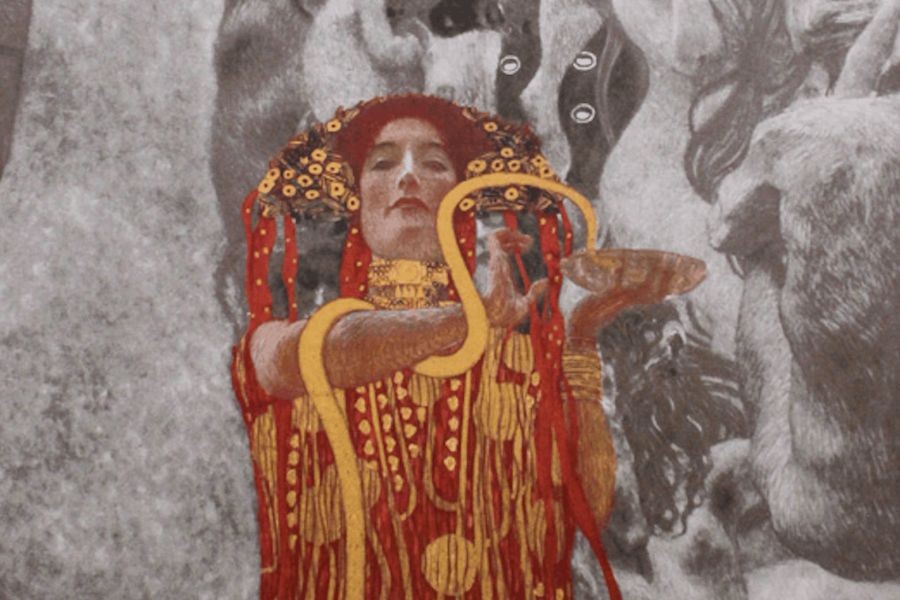
Australia's cultural landscape has long celebrated the arts, with traditional painting holding a revered position. Yet, as we navigate a rapidly digitizing world, questions arise: Is traditional painting becoming a lost art in Australia? This exploration seeks to uncover the truth behind this notion, examining the intersection of tradition, technology, and cultural evolution within the Australian context.
The State of Traditional Painting in Australia
Traditional painting in Australia, deeply rooted in Indigenous culture and European influences, has seen shifts in interest and practice. The Australian Bureau of Statistics (ABS) indicates a decline in art-related employment from 2018 to 2023, suggesting a waning focus on traditional art forms. However, this doesn't necessarily equate to a loss of art but rather a transformation in how art is perceived and practiced.
Case Study: The Art Gallery of New South Wales
The Art Gallery of New South Wales has embraced a blend of traditional and contemporary works. By integrating digital exhibitions alongside classic collections, the gallery has seen a 20% increase in visitor engagement. This hybrid approach not only preserves traditional art but also attracts a younger, tech-savvy audience.
Economic and Cultural Factors Impacting Traditional Art
Australia’s economy, characterized by a strong emphasis on mining and technology, leaves less room for traditional artistic pursuits in terms of financial prioritization. The Australian Treasury reports that funding for cultural projects has seen modest growth, with an emphasis on digital arts and technology integration.
Moreover, cultural shifts towards digital mediums are evident. With the rise of NFTs (Non-Fungible Tokens) and digital art platforms, artists are exploring new arenas. Yet, traditional painting remains a crucial aspect of cultural identity, particularly within Indigenous communities, where art serves as both a historical record and a cultural expression.
Pros and Cons of Traditional Painting
Pros:
- Cultural Heritage: Traditional painting is an integral part of Australia’s rich cultural tapestry, preserving Indigenous narratives and historical accounts.
- Emotional Connection: The tactile nature of painting fosters a deep emotional engagement, both for artists and their audience.
- Educational Value: Art education fosters creativity and critical thinking, skills valuable across various industries.
Cons:
- Economic Viability: Artists often face financial challenges, with limited funding and market opportunities compared to digital mediums.
- Technological Disruption: The rise of digital art forms challenges the relevance of traditional methods, especially among younger generations.
- Accessibility: Traditional art materials and spaces can be less accessible than digital platforms, limiting reach and participation.
Common Myths About Traditional Painting
Despite its enduring relevance, traditional painting is often misunderstood. Here are some common myths:
- Myth: "Traditional art is obsolete in the digital age." Reality: Traditional art adapts alongside digital advances, with many artists integrating both forms for enhanced expression.
- Myth: "There’s no market for traditional paintings." Reality: While challenges exist, demand for traditional art remains strong in niches like galleries and private collectors, who value authenticity.
- Myth: "Traditional painting holds no educational value." Reality: Art education promotes cognitive development and problem-solving skills, beneficial in various professional fields.
Future Trends in Traditional Painting
Looking ahead, traditional painting in Australia will likely evolve rather than vanish. Integrating technology into traditional art forms could enhance audience engagement. For instance, augmented reality (AR) can bring paintings to life, offering interactive experiences.
As sustainability becomes a focal point, eco-friendly materials and practices in traditional painting will gain traction. The Australian government's push towards sustainability aligns with this trend, encouraging artists to adopt greener practices.
Final Takeaways & Call to Action
- Traditional painting remains a vibrant part of Australia’s cultural heritage, adapting to modern influences.
- Economic and technological factors present challenges but also opportunities for innovation.
- Understanding and debunking myths about traditional painting can foster greater appreciation and support.
As we contemplate the role of traditional painting in contemporary Australia, it’s crucial to support and preserve this art form. Whether through educational initiatives, funding support, or personal engagement, each effort contributes to the vibrant tapestry of Australia’s cultural landscape. Share your thoughts on the future of traditional painting in Australia and join the conversation on how we can collectively support this vital cultural expression.
People Also Ask (FAQ)
- How does traditional painting impact Australian culture? Traditional painting preserves Indigenous narratives and historical accounts, maintaining cultural continuity and identity.
- What are the biggest misconceptions about traditional painting? A common myth is that traditional art is obsolete in the digital age, but it continues to adapt and integrate with modern technology.
- What are the best strategies for supporting traditional painting? Supporting traditional painting involves funding initiatives, integrating technology, and promoting art education to foster appreciation and engagement.
Related Search Queries
- Traditional painting techniques in Australia
- Impact of digital art on traditional painting
- Art funding in Australia 2023
- Indigenous art in modern Australia
- Future of traditional art forms





























Switch Advisory Group
5 days ago