






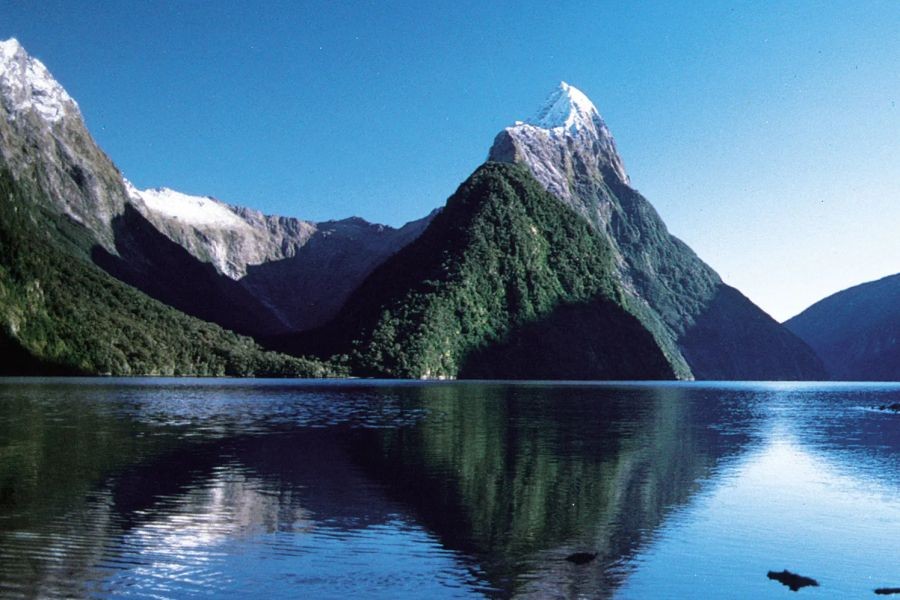
Visitors from all over the globe flock to New Zealand’s national parks, drawn by the promise of untouched nature and breathtaking landscapes. However, as tourism continues to grow, questions arise about whether these sanctuaries are sacrificing authenticity for commercial gain. The tension between preserving natural beauty and capitalizing on economic opportunities raises complex questions about sustainability, cultural integrity, and economic necessity.
The Economic Significance of Tourism in New Zealand
Tourism is a key component of New Zealand's economy, contributing significantly to GDP and providing employment to thousands. According to the Ministry of Business, Innovation, and Employment (MBIE), tourism generated NZD 41 billion in the year ending March 2020. This economic boon is vital, especially for rural communities situated near these national parks, where tourism often represents the primary source of income.
Case Study: Fiordland National Park
Problem: Fiordland National Park, home to Milford Sound, faces the challenge of balancing visitor numbers with conservation efforts. The area’s popularity has led to increased foot traffic, which can disrupt delicate ecosystems.
Action: In response, the Department of Conservation (DoC) implemented a visitor management strategy that includes limiting tour permits and investing in infrastructure to minimize environmental impact.
Result: These measures have been successful in reducing ecological damage while maintaining high visitor satisfaction, with tour operators reporting a 20% increase in customer retention due to improved park conditions.
Takeaway: This case underscores the importance of strategic management in maintaining the natural allure of New Zealand’s national parks while also supporting tourism.
Pros and Cons of Increased Tourism
Pros:
- Economic Boost: Tourism injects billions into the economy, fostering job creation and business opportunities.
- Infrastructure Development: Increased funding for parks can improve facilities, making them more accessible and enjoyable.
- Cultural Exchange: Visitors bring diverse perspectives, enriching local cultures and fostering global connections.
Cons:
- Environmental Degradation: Overcrowding can lead to habitat destruction, pollution, and loss of biodiversity.
- Loss of Authenticity: Commercialization risks turning cultural experiences into tourist spectacles, eroding traditional values.
- Economic Dependency: Over-reliance on tourism makes local economies vulnerable to global market fluctuations.
Balancing Conservation and Commercialization
New Zealand's approach to managing its national parks involves a delicate balance between conservation efforts and economic interests. The DoC has adopted measures such as limiting visitor numbers, implementing stricter guidelines for tour operators, and promoting off-peak travel to distribute tourist traffic more evenly throughout the year.
Expert Insight
According to Dr. Lucy Smith, a conservation specialist at the University of Auckland, “The future of New Zealand’s national parks depends on sustainable practices that prioritize ecological integrity while leveraging tourism’s economic benefits. Technology, like virtual reality tours, offers potential solutions to reduce physical footfall while still providing immersive experiences.”
Myths about Tourism in National Parks
- Myth: Tourism is always detrimental to nature. Reality: With proper management, tourism can fund conservation projects and promote environmental awareness.
- Myth: Limiting access will harm the economy. Reality: Sustainable tourism models show that fewer, higher-quality visits can enhance both economic and ecological outcomes.
- Myth: Tourism only benefits foreigners. Reality: Local communities gain from job creation, infrastructure improvements, and cultural preservation efforts.
Future Trends and Predictions
Looking ahead, New Zealand is poised to implement more technology-driven solutions to preserve its national parks. The use of AI in visitor management, predictive analytics for environmental impacts, and virtual tourism experiences are likely to become more prevalent. By 2030, these innovations could reduce physical visitor numbers by 25% while increasing virtual engagement, according to a report by NZTech.
Conclusion: Navigating the Path Forward
As New Zealand continues to attract global attention, it must navigate the complexities of tourism with a forward-thinking approach that safeguards its natural treasures while supporting economic growth. The key lies in innovative strategies that harmonize conservation with commercialization, ensuring that these landscapes remain pristine for generations to come.
What are your experiences with New Zealand’s national parks? Share your thoughts in the comments below!
People Also Ask
- How does tourism impact New Zealand’s national parks? Tourism contributes significantly to the economy and can fund conservation but requires careful management to prevent environmental degradation.
- What measures are in place to protect New Zealand’s national parks? The Department of Conservation implements visitor limits, infrastructure improvements, and encourages off-peak travel to manage environmental impact.
- How can technology aid in sustainable tourism? Technology like virtual reality tours and AI-driven analytics can reduce physical footfall while enhancing visitor experience and conservation efforts.
Related Search Queries
- New Zealand national parks tourism impact
- Sustainable tourism practices in New Zealand
- Economic benefits of tourism in New Zealand
- Conservation strategies for New Zealand parks
- Future of tourism in New Zealand





























nirwaana
5 months ago