



In recent years, the allure of New Zealand's pristine landscapes and diverse wildlife has captured the hearts of families worldwide. Videos showcasing seal and penguin encounters in their natural habitats have become viral sensations, inspiring many to consider the Land of the Long White Cloud as their next travel destination. These captivating visuals not only offer a window into New Zealand's unique biodiversity but also highlight the country's commitment to sustainable tourism and wildlife conservation. This article delves into why these videos inspire family travel, how they work as a marketing tool, and their broader economic implications.
1. The Appeal of Seal and Penguin Videos
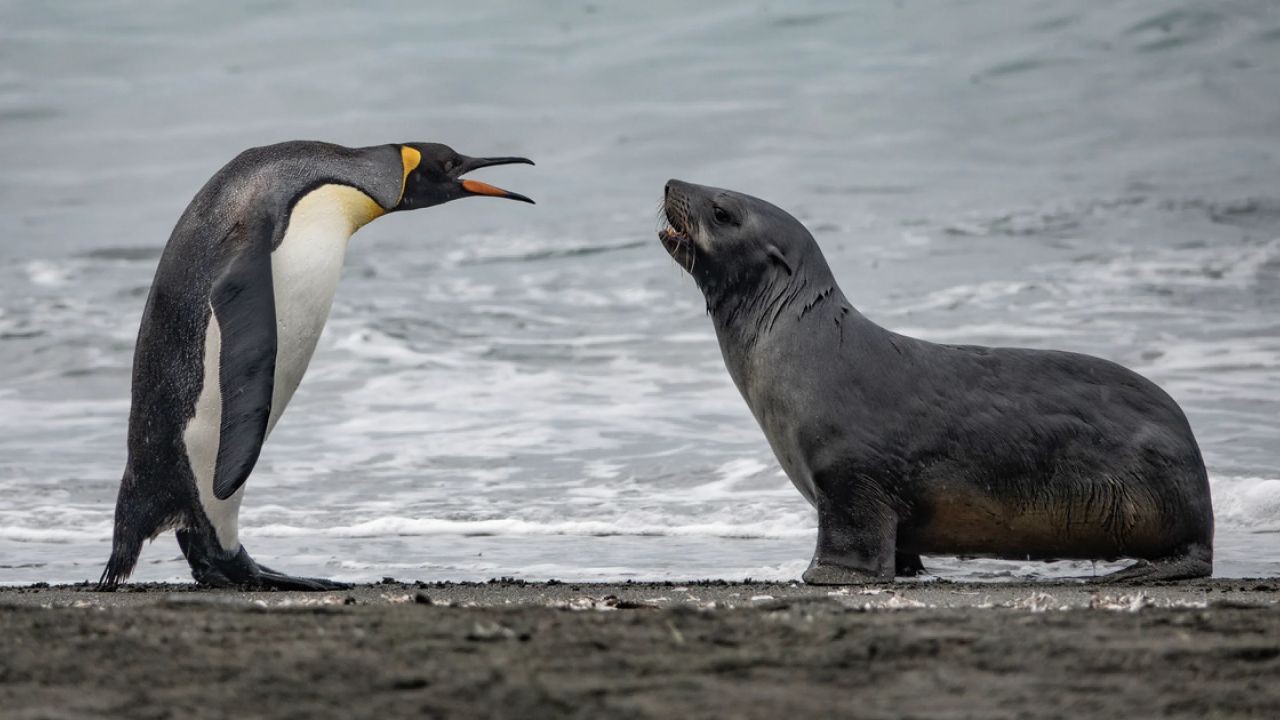
New Zealand's coastal ecosystems are home to several unique species, including the endangered yellow-eyed penguin and the playful New Zealand fur seal. Videos capturing these creatures in their natural environments offer a rare glimpse into their world, enticing viewers with their charm and vitality. These videos often highlight family-friendly adventures, showcasing the joy and wonder experienced by both children and adults during these encounters. This emotional connection not only engages viewers but also sparks a desire to experience these moments firsthand.
1.1. Emotional Engagement
Research indicates that emotional engagement is a powerful motivator for travel decisions. According to a 2022 study by Tourism New Zealand, 72% of surveyed families stated that wildlife experiences were a primary reason for choosing New Zealand as a travel destination. Videos that evoke emotions of joy, awe, and curiosity can significantly influence travel behaviors, making them an effective tool for attracting tourists.
1.2. The Role of Social Media
Social media platforms such as Instagram and YouTube amplify the reach of these videos, allowing them to quickly go viral. Influencers and travel bloggers play a crucial role in this process by sharing their personal encounters with seals and penguins, often accompanied by breathtaking visuals and engaging narratives. This organic sharing not only increases the visibility of New Zealand as a travel destination but also enhances its reputation as a haven for wildlife enthusiasts.
2. How It Works: The Economic Impact
The surge in interest generated by these videos translates into tangible economic benefits for New Zealand. The tourism industry, which contributes significantly to the country's GDP, stands to gain from increased visitor numbers. According to Stats NZ, tourism contributed NZD 16.2 billion to the economy in 2021, with wildlife tourism being a key driver.
2.1. Boosting Local Economies
Wildlife tourism not only benefits national revenue but also supports local economies. Small businesses, including eco-tours, accommodation providers, and local eateries, see increased patronage from tourists eager to experience New Zealand's natural beauty. This influx of visitors creates jobs and promotes sustainable economic growth in rural and coastal communities.
2.2. Conservation Funding
Increased tourism revenue allows for greater investment in conservation efforts. The Department of Conservation (DOC) receives funding from tourism-related activities, which helps protect the habitats of seals, penguins, and other native species. This symbiotic relationship ensures that tourism development goes hand-in-hand with environmental preservation.
3. Pros and Cons of Using Wildlife Videos for Tourism
Pros:
- Increased Engagement: Videos create emotional connections, leading to higher interest in travel to New Zealand.
- Economic Growth: Boosts local economies through increased tourism spending.
- Conservation Awareness: Raises awareness about the importance of wildlife conservation.
- Global Reach: Social media amplifies the reach, attracting international tourists.
- Educational Value: Educates viewers about New Zealand's unique biodiversity.
Cons:
- Overtourism: Popularity may lead to overcrowding in sensitive areas, impacting habitats.
- Wildlife Disturbance: Increased human presence can disturb wildlife behavior.
- Resource Strain: High visitor numbers may strain local resources and infrastructure.
- Seasonal Fluctuations: Tourism may be heavily seasonal, affecting economic stability.
- Dependence on Tourism: Over-reliance on tourism can make economies vulnerable to global shocks.
4. Common Myths & Mistakes
Myth 1: "All wildlife videos are staged."
Reality: While some content may be dramatized, many videos are authentic, capturing spontaneous wildlife behavior. Responsible tourism operators prioritize real, minimally invasive interactions.
Myth 2: "Wildlife tourism always harms animals."
Reality: When managed sustainably, wildlife tourism can support conservation efforts. The DOC implements guidelines to minimize human impact on wildlife.
Myth 3: "Traveling to see wildlife is too expensive."
Reality: New Zealand offers a range of budget-friendly wildlife experiences, from self-guided tours to affordable eco-lodges, making it accessible to various travelers.
5. Future Trends & Predictions
The future of wildlife tourism in New Zealand appears promising, with several trends set to shape its evolution. By 2030, advancements in virtual reality may offer immersive wildlife experiences, enhancing accessibility for those unable to travel. Moreover, increased investment in sustainable tourism infrastructure is expected, aligning with global environmental goals. According to the Ministry of Business, Innovation and Employment (MBIE), eco-tourism is predicted to grow by 8% annually, reflecting a shift towards more conscious travel choices.
Conclusion
Seal and penguin encounter videos serve as powerful tools in promoting New Zealand as a top wildlife destination. They not only inspire travel but also drive economic growth and conservation efforts. As the tourism industry continues to evolve, it is crucial to balance visitor experiences with sustainable practices, ensuring that future generations can enjoy New Zealand's natural wonders.
What’s your next move? Are you ready to explore the captivating wildlife of New Zealand? Share your thoughts or travel experiences below!
People Also Ask
- How do seal and penguin videos impact New Zealand’s economy?These videos boost tourism, contributing significantly to local economies and supporting conservation funding.
- What are the best strategies for sustainable wildlife tourism?Engage with certified eco-tours, follow DOC guidelines, and prioritize low-impact experiences to ensure sustainability.
- What are common misconceptions about wildlife tourism in New Zealand?A myth is that all wildlife tourism harms animals. In reality, sustainable practices support conservation efforts.
Related Search Queries
- New Zealand wildlife tourism
- Seal and penguin tours NZ
- Eco-friendly travel in New Zealand
- Sustainable tourism practices
- Conservation efforts in NZ
- Family-friendly travel destinations NZ
- Impact of tourism on NZ economy
- Wildlife encounters in New Zealand
- Virtual reality in tourism
- Future of eco-tourism
For the full context and strategies on Why Seal and Penguin Encounter Videos Inspire Family Travel to NZ, see our main guide: Nz Tour Guide Operator Videos Build Trust.