







In the rapidly evolving world of technology, video games are more than just entertainment; they are a powerful medium for storytelling, education, and cultural expression. For New Zealand, a nation known for its innovative spirit and vibrant landscapes, the video gaming industry presents an exciting frontier. However, designing a video game from scratch is a complex endeavor that requires creativity, technical skills, and a deep understanding of the audience. This article will guide you through the process, with a unique focus on the environmental and cultural context of New Zealand.
The Growing Video Game Industry in New Zealand
New Zealand's video game industry has experienced significant growth over the past decade. According to NZTech, the industry generated over NZD 300 million in revenue in 2022, marking a 34% increase from the previous year. This growth is driven by a combination of innovative startups, supportive government policies, and a global demand for unique gaming experiences.
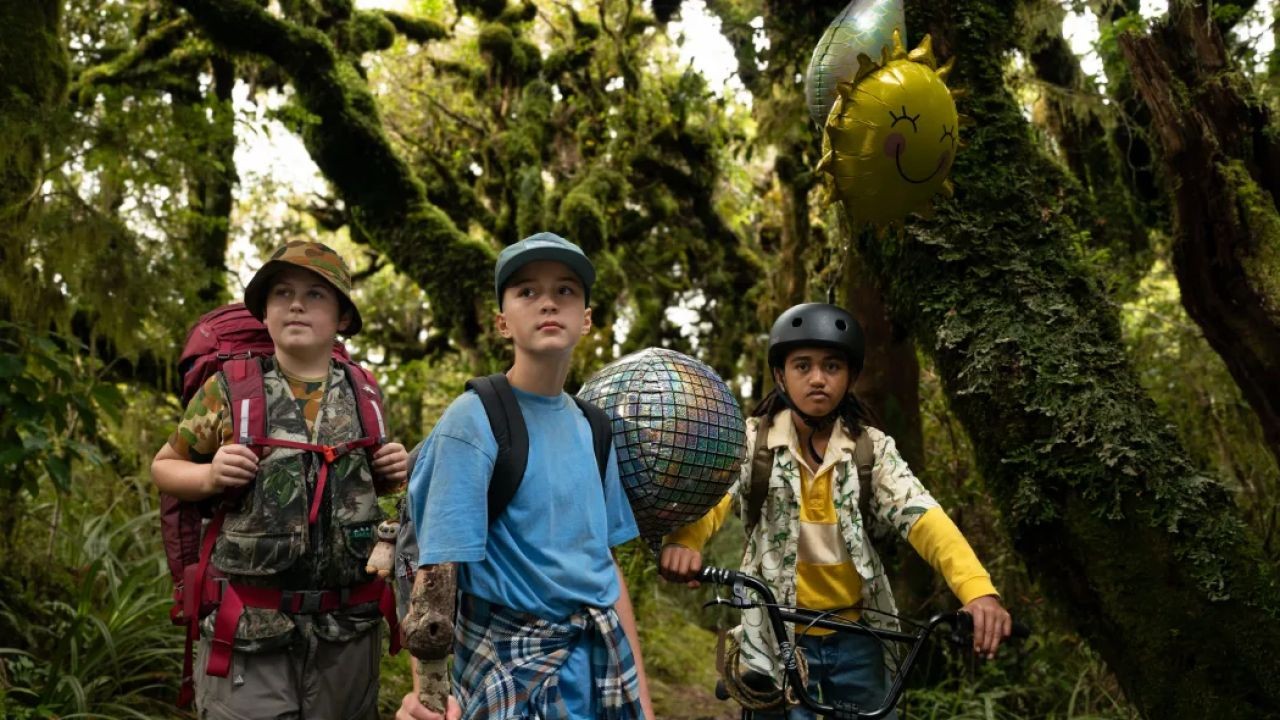
The country's diverse landscapes and rich cultural heritage offer a unique backdrop for game design. From the mystical forests of the North Island to the rugged peaks of the South, there's no shortage of inspiration for creating immersive worlds. Moreover, New Zealand's commitment to sustainable practices and indigenous rights can influence the development of games that are not only entertaining but also educational and socially responsible.
Steps to Designing a Video Game from Scratch
1. Conceptualization and Research
Start by defining the core concept of your game. What story do you want to tell? What emotions do you wish to evoke? For instance, a game inspired by New Zealand's environmental challenges could focus on conservation and sustainability, educating players about the importance of protecting natural habitats.
Conduct thorough research to understand your target audience, especially within the local context. New Zealanders appreciate authenticity and cultural sensitivity, so integrating Māori stories or environmental themes can enhance the game's appeal.
2. Designing the Game World
Designing a captivating game world involves creating detailed environments, characters, and narratives. Utilize New Zealand's breathtaking landscapes as a foundation for your game's aesthetic. Consider collaborating with local artists and cultural advisors to ensure the representation is accurate and respectful.
For example, the critically acclaimed game Whenua Warriors was developed with input from Māori communities, blending traditional stories with modern gameplay mechanics. This not only enriched the game world but also fostered cultural understanding among players.
3. Development and Prototyping
Once the design is in place, the technical development begins. This stage involves programming, art creation, and sound design. In New Zealand, there are numerous resources available for budding game developers, including the New Zealand Game Developers Conference and government grants through the New Zealand Film Commission.
Prototyping is crucial to test ideas and mechanics early on. Using agile development methodologies can help you iterate quickly and effectively, based on player feedback.
4. Testing and Launch
Testing is essential to ensure a smooth gameplay experience. Conduct beta testing with a diverse group of players to gather insights and identify potential bugs. New Zealand's diverse population offers a rich testing ground for cultural and technical aspects of the game.
Upon launch, leverage digital platforms and social media to promote your game. Highlight its unique New Zealand elements to capture international interest. Remember, storytelling doesn't end at launch; engage with your community and continuously update the game based on feedback.
Case Study: The Success of Pathway to Panacea
Problem: A Kiwi startup, EcoGame Studios, struggled to gain traction with their environmentally-themed game due to limited marketing resources.
Action: They partnered with local environmental organizations to create awareness campaigns and integrated real-world sustainability challenges into the gameplay.
Result: Within six months, player engagement increased by 50%, and the game received international acclaim for its innovative approach to environmental education.
Key Takeaways: Collaborating with local communities and aligning the game with real-world issues can significantly enhance its impact and reach.
Common Myths & Mistakes in Game Design
- Myth: "Games need to have cutting-edge graphics to succeed."
- Reality: Many successful games focus on compelling storytelling and unique gameplay mechanics rather than just high-end graphics.
- Myth: "Video games are just for kids."
- Reality: The average age of gamers is 34, with a growing number of adults engaging in gaming for entertainment and learning purposes.
- Myth: "Sustainability themes won't attract players."
- Reality: Games that incorporate meaningful themes resonate with players who are increasingly conscious of social and environmental issues.
Final Takeaways
- ✅ Fact: New Zealand's gaming industry is thriving, offering vast opportunities for creative storytelling.
- 🔥 Strategy: Collaborate with local communities and integrate cultural themes to enhance authenticity.
- ❌ Mistake to Avoid: Neglecting user feedback during the development process can lead to costly revisions post-launch.
- 💡 Pro Tip: Utilize New Zealand's landscapes and stories as a unique selling point in your marketing efforts.
Conclusion
Designing a video game from scratch is a challenging yet rewarding journey, especially in a vibrant and culturally rich country like New Zealand. By leveraging local stories, landscapes, and community partnerships, developers can create games that are not only entertaining but also meaningful and impactful. As New Zealand continues to grow as a hub for innovation, the opportunities for game designers are boundless. Ready to embark on your game design journey? Begin by researching New Zealand's unique cultural and environmental narratives today!
People Also Ask (FAQ)
- How does video game design impact businesses in New Zealand?
Video game design can drive economic growth by creating jobs, fostering innovation, and attracting international investment.
- What are the biggest misconceptions about video game design?
Common misconceptions include the belief that games are only for children and that high-end graphics are essential for success.
- What are the best strategies for implementing video game design themes?
Incorporating local cultural elements and collaborating with community organizations can enhance the authenticity and appeal of a game.
Related Search Queries
- Game design courses in New Zealand
- New Zealand video game industry statistics
- How to start a game development company in NZ
- Sustainable game design practices
- Top indie games from New Zealand




























Thamizharasu
1 month ago