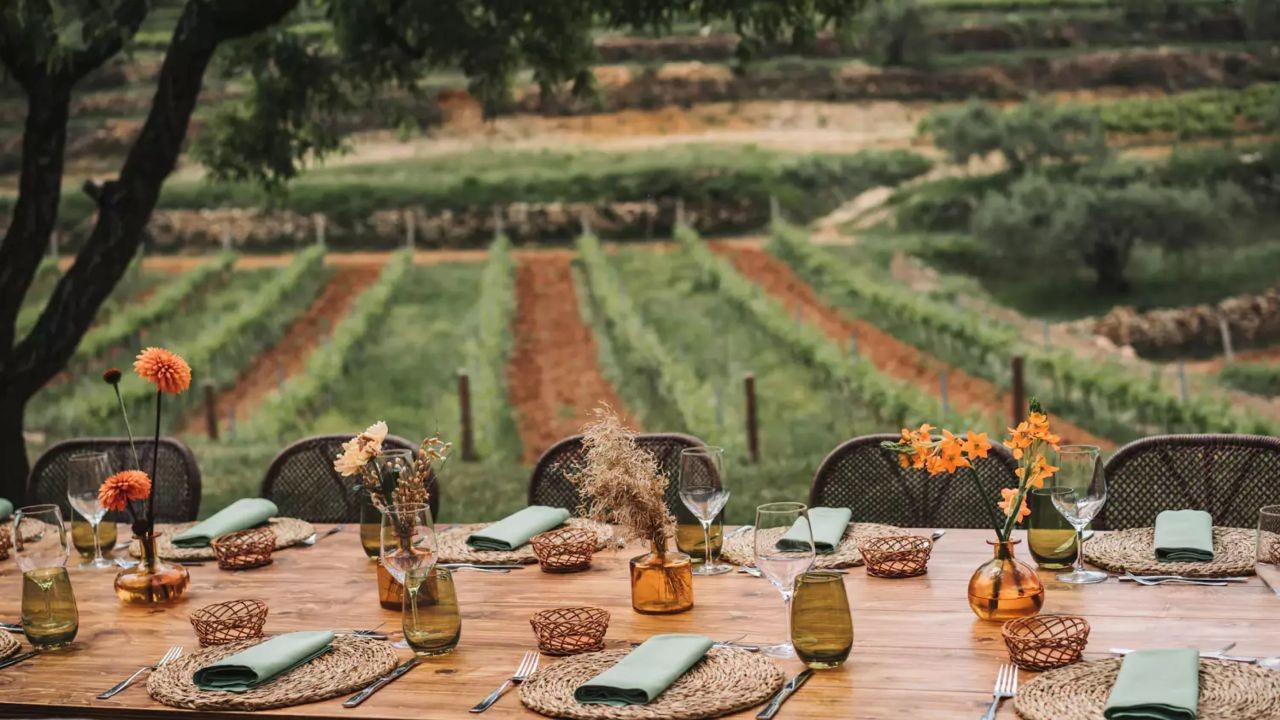
Farm & Livestock Video Showcases Australia




Across Australia’s vast rural landscape — from Queensland’s cattle stations to Victoria’s dairy heartlands — video has become one of the most powerful tools for farmers to share their stories. Farm & Livestock Videos allow audiences to experience the realities of modern agriculture: the early-morning milking, the rhythm of harvest, the careful stewardship of livestock and land. These visual stories build trust, educate consumers, and connect regional producers directly with buyers and communities nationwide.
Vidude stands at the forefront of this movement as Australia’s homegrown video platform built for creators, producers, and agribusinesses. By uploading and monetising their own farm and livestock videos, Australians can showcase authentic operations, promote sustainability, and celebrate the innovation driving today’s agri-food sector. Supported by credible insights from the Department of Agriculture, Fisheries and Forestry and Austrade, these stories demonstrate how digital media is transforming how Australia sees its food, fibre, and farming future.
Modern Australian Farming Through Video Storytelling
Australian agriculture is no longer confined to regional boundaries — it’s digital, visual, and deeply connected. Farmers and producers are embracing video storytelling to document the life, labour, and innovation behind their operations. This shift reflects how the nation’s agricultural identity is evolving: one that values transparency, sustainability, and local pride. From New South Wales grain growers to Western Australian beef exporters, producers are using short and long-form videos to share their processes, educate urban consumers, and attract partnerships.
According to the Department of Agriculture, Fisheries and Forestry (DAFF), more than 89 per cent of Australian farms are family-owned, and digital media is now critical to connecting those families with national and international markets. The ability to show real-time operations — soil testing, animal care, or harvest logistics — allows farmers to present the integrity of their work directly to audiences without intermediaries. This authenticity has become a defining feature of modern agricultural communication.
As Deloitte Australia notes, digital storytelling is a “growth driver for regional brand value,” helping rural producers access new supply-chain opportunities and sustainability-focused investors. When farmers upload and tag their videos on Vidude, they’re not just publishing content; they’re building a searchable, trusted portfolio that reflects the quality and ethics of Australian agriculture. This level of transparency encourages accountability while also serving as a marketing advantage in export negotiations and domestic consumer outreach.
Dr Megan Harris from DAFF explains, “Digital media is closing the distance between paddock and plate for Australian consumers. Every authentic story shared helps people appreciate the work behind the food on their table.” In this new era of agricultural storytelling, video is the bridge that unites rural creators, industry professionals, and everyday Australians who want to see — and support — the country’s farming future.
- Use storytelling to educate and inspire: Document seasonal routines, livestock care, and farm innovations.
- Leverage authenticity: Audiences respond to genuine, unfiltered visuals more than polished ads.
- Connect regionally: Tag videos by state or product type to reach buyers and local communities effectively.
Livestock Management & Grazing Video Tours
Australia’s livestock industry is both a national export powerhouse and a cultural cornerstone. Cattle, sheep, and dairy production span every state, with Queensland and New South Wales leading in herd numbers. In recent years, farmers have begun using video tours to visually document their grazing systems, animal care routines, and pasture rotations — helping domestic and overseas audiences understand the standards behind Australian red meat and dairy production.
According to Meat & Livestock Australia (MLA), the red-meat sector contributes more than $16 billion annually to the economy, and sustainability is now central to its market appeal. Grazing-management videos allow producers to demonstrate rotational strategies, water access systems, and low-stress handling practices. These transparent showcases not only strengthen buyer confidence but also support compliance with DAFF and industry welfare standards.
CSIRO research shows that precision livestock technologies — such as GPS collars, drone-based monitoring, and remote watering sensors — are rapidly improving animal welfare outcomes across regional Australia. When recorded and shared through video, these innovations provide visual proof of stewardship and adaptability, enhancing both marketing and educational value. Viewers can observe the relationship between rainfall cycles, grazing density, and animal health in ways that static reports cannot convey.
On Vidude, many Australian farmers use series-style uploads to chronicle seasonal changes in their paddocks: autumn feed preparation, winter herd movement, and spring calving. These stories are not corporate campaigns; they’re living records of how producers care for land and livestock in dynamic environments. This authentic approach builds public understanding while promoting responsible agricultural practice.
Livestock consultant Dr Grant Matthews explains, “When graziers share real footage of their pastures and animal behaviour, they educate both the marketplace and the next generation of farmers. It’s transparency that earns trust.” His comment echoes findings from IBISWorld Australia, which highlight consumer demand for provenance-verified, ethically raised produce — something best demonstrated through credible, unfiltered video storytelling.
- Show welfare in action: Record handling techniques, feeding systems, and veterinary routines to build viewer trust.
- Highlight sustainability: Explain rotational grazing, soil recovery, and biodiversity efforts through clear narration.
- Use drone footage: Capture aerial views of paddocks and infrastructure to visualise scale and management efficiency.
Farm Operation Walkthroughs & Daily Routines
Beyond the paddocks and harvests, audiences are increasingly curious about what daily farm life actually looks like. From dawn milking to late-evening maintenance, farm operation walkthroughs offer an authentic glimpse into the routines that sustain Australia’s agricultural economy. These videos capture the cadence of hard work, innovation, and seasonal adaptation — revealing not only what farmers do, but how they think about efficiency, safety, and sustainability.
According to the Australian Bureau of Statistics (ABS), nearly 260 million hectares of Australia’s land is used for agriculture, with mechanisation and smart-equipment uptake driving consistent productivity growth. Walkthrough videos help visualise how technology integrates with tradition: showcasing automated milking systems in Gippsland, GPS-guided tractors in the Riverina, or hydroponic setups emerging in peri-urban Melbourne. By combining narration with visual demonstration, farmers can communicate expertise that written case studies often fail to capture.
As IBISWorld Australia notes, video-based communication has become a recruitment and training asset within agribusiness. Demonstrating machine safety checks, irrigation scheduling, or biosecurity procedures through filmed tutorials reduces error rates and preserves institutional knowledge across generations. On Vidude, many producers have begun curating playlists that function as informal training libraries for staff and students in agricultural colleges.
Jason Rowe, Agri-Business Analyst at IBISWorld Australia, observes: “Authentic video content humanises the agriculture sector and reinforces its technical sophistication. It tells a richer story than statistics alone.” This perspective aligns with Deloitte Australia’s insight that visual transparency increases stakeholder trust in supply-chain reporting and ESG communication — both increasingly vital to retailers and exporters.
By showcasing the everyday — feeding routines, machinery maintenance, soil sampling — creators strengthen the emotional and informational bridge between rural professionals and urban consumers. These walkthroughs remind Australians that behind every litre of milk or bale of hay stands a complex operation managed with skill, planning, and care.
- Document the workflow: Film key stages such as equipment prep, feeding schedules, and maintenance checks.
- Explain with context: Add short voice-overs describing why tasks are done, not just how.
- Educate future farmers: Compile video series as open learning resources for regional schools and TAFEs.
Crop Rotation, Planting & Harvesting Videos
Each season brings a new chapter in Australia’s agricultural calendar — a rhythm of soil preparation, planting, crop monitoring, and harvest that defines the nation’s food supply. Through video storytelling, farmers are now bringing this process to life for viewers worldwide. Crop rotation and planting videos showcase the science behind soil renewal, pest control, and sustainability, while harvest footage captures the energy and teamwork of regional production at its peak.
According to Deloitte Australia, digital visualisation and data storytelling have become vital tools for building consumer trust and investment confidence across agribusiness. When farmers film and share their planting and harvesting operations, they demonstrate transparency around environmental care and production efficiency — two metrics increasingly valued by both local buyers and export markets. In regions like the Riverina, Eyre Peninsula, and Darling Downs, these authentic visual reports help differentiate quality Australian produce from international competitors.
Recent data from the Australian Bureau of Statistics (ABS) shows that grain and broadacre crop production accounts for over 30% of national agricultural output. Video tours from machinery cabs and drone flyovers now illustrate the scale of these operations, turning technical processes — from seeding depth calibration to harvest yield tracking — into educational content. Such transparency also supports agritech adoption, allowing peers to learn from real-world demonstrations rather than manuals alone.
Professor Liam O’Connor from the University of Queensland’s School of Agriculture notes, “Visual media bridges theory and practice. When farmers film their planting sequences or harvest runs, they’re creating living documentation that future producers can study.” This insight underscores the growing alignment between agriculture, education, and digital innovation, as supported by CSIRO’s work in precision farming and sustainable land use.
By uploading high-quality planting and harvesting videos, creators not only celebrate the art and science of farming but also expand their professional visibility. These visual records become enduring references for buyers, researchers, and rural storytellers alike — a moving portrait of Australia’s seasonal resilience and productivity.
- Show each growth stage: Capture seeding, irrigation, and harvest milestones in sequential clips.
- Use narration to explain impact: Describe how crop rotation preserves soil fertility and biodiversity.
- Inspire collaboration: Share techniques for machinery efficiency or yield optimisation to strengthen industry knowledge.
Farmer Storytelling & Lifestyle Vignettes
Behind every crop and herd stands a story of people — families, mentors, innovators, and communities who dedicate their lives to the land. Farmer storytelling videos have become one of Australia’s most powerful mediums for preserving rural heritage and celebrating resilience. Whether filmed on a century-old sheep station in New South Wales or a regenerative farm in Victoria, these lifestyle vignettes reveal the personal and emotional side of agriculture: early starts, generational pride, and the quiet triumphs that keep regional Australia thriving.
As reported by ABC News and supported by Rural Media Australia, authentic rural storytelling drives empathy and understanding among urban audiences. Viewers who once saw farming only as an industry now see it as a way of life. Video provides a sensory experience — the sound of cattle moving through yards, the dust of harvest, the laughter at morning tea — that no statistic can replicate. This intimacy helps humanise agriculture and rebuilds respect for rural professions often underrepresented in mainstream media.
According to The Conversation Australia, farmer-led digital narratives play a crucial role in shaping public opinion on sustainability and food ethics. When producers explain in their own voices how they balance profitability with environmental care, they create trust far stronger than traditional advertising. For younger generations, this content offers an entry point to explore agriculture as a purposeful and innovative career.
Rural storyteller Elise Turner from Queensland shares, “Storytelling helps bridge the city-country divide. People connect with faces and emotions, not just facts. When farmers speak directly through video, they remind Australians that our food has a human story.” This human-centric approach mirrors findings from Deloitte Australia, which highlights emotional storytelling as a key differentiator in agri-marketing strategies across regional industries.
On Vidude, farmers and rural families can build personal channels that go beyond technical footage — capturing moments of humour, challenges, or seasonal reflection. These vignettes not only document rural lifestyles but also contribute to Australia’s cultural record, ensuring the voice of the land remains heard in the digital era.
- Tell your story: Share why you farm, what you’ve learned, and what the land means to you.
- Show people, not just processes: Introduce your team, family, or mentors on-screen to create connection.
- Use tone and emotion: Speak naturally — authenticity always resonates stronger than scripting.
Regional Farm Highlights & Local Produce Showcases
Australia’s agricultural diversity is as vast as its geography. From the Barossa Valley’s vineyards to Queensland’s tropical fruit belts and Western Australia’s wheat plains, every region produces something distinct. Regional farm highlight videos and local produce showcases have become an effective way for producers to tell their stories directly to consumers, chefs, and distributors — revealing where and how food is grown. These visual tours help audiences rediscover provenance, a value that increasingly drives purchasing decisions across Australia’s food industry.
Data from Austrade shows that “Australian-made” and “regionally produced” labels continue to gain traction in both domestic and export markets, particularly across premium segments such as wine, dairy, and specialty grains. By sharing videos that highlight origin and authenticity, farmers help maintain the competitive reputation of Australian produce. When viewers can see the soil, climate, and craftsmanship behind their food, they’re more likely to support regional brands and agritourism ventures.
According to Tourism Australia, regional food experiences are among the top motivators for domestic travel, with farm stays, vineyard tours, and market festivals drawing millions annually. Video plays a key role in promoting these destinations — not through glossy ads, but through local stories that show real landscapes and genuine community pride. Farmers who document their harvesting days or local market stalls often inspire city audiences to visit in person, strengthening both tourism and local economies.
Anna Whitlam, a regional marketing strategist from South Australia, observes, “When rural producers share videos about their local harvests or produce markets, they’re not just promoting a product — they’re promoting a place. That’s what builds loyalty and long-term recognition.” This sentiment aligns with findings from The Australian Financial Review, which notes that provenance-led branding can increase customer retention rates by up to 30% in niche food categories.
On Vidude, regional farmers and small producers can host entire playlists showcasing their produce — from honey tastings in Tasmania to olive oil pressing in Western Australia. These authentic glimpses turn regional pride into shareable stories, amplifying both economic and cultural visibility for rural Australia.
- Highlight regional identity: Film your property and surrounding community to emphasise local heritage.
- Show how produce is made: Capture short clips of harvest, packaging, and preparation to reveal authenticity.
- Collaborate locally: Feature nearby artisans or markets to strengthen regional branding and cross-promotion.
AgTech and Innovation in Farming Videos
Technology is redefining how Australians farm — and how they share their progress with the world. From precision irrigation to robotics, AgTech innovation is transforming every step of agricultural production. By documenting these advances through video, farmers are not only improving transparency but also demonstrating how modern Australian agriculture competes at a global level. For viewers, these videos become windows into a new era of efficiency, data-driven management, and sustainable growth.
According to CSIRO, the adoption of digital agriculture technologies could add up to $20 billion annually to Australia’s economy by 2030. Tools like soil sensors, drone mapping, and AI-assisted monitoring are already helping farmers make smarter resource decisions. When these systems are explained visually, they demystify innovation for both investors and consumers — proving that rural industries are among the nation’s most tech-advanced sectors. Video case studies are particularly effective for illustrating how sensors improve water allocation or how autonomous tractors reduce emissions on broadacre farms.
business.gov.au highlights numerous government programs supporting AgTech start-ups and digital transformation across the agricultural value chain. Video showcases of these projects — from robotics trials in Western Australia to vertical farming in Sydney — help attract partnerships and grants. They also serve as powerful recruitment tools for young Australians seeking careers in STEM-related agribusiness. By presenting complex systems in action, creators turn technology into a story of innovation, accessibility, and community impact.
Dr Nathan Reynolds of CSIRO’s Agriculture & Food division notes, “Seeing is believing — and in AgTech, visual communication is critical. Farmers who film their systems help bridge the knowledge gap between research and application.” His insight aligns with Deloitte Australia’s observation that video evidence strengthens stakeholder engagement, particularly when businesses are pursuing environmental or operational certifications. Investors and auditors increasingly rely on transparent visual proof of technological deployment and sustainability results.
Vidude empowers Australian producers to publish these visual demonstrations at scale. Whether filming drone footage of data-logging harvesters or interviews with AgTech innovators, creators help position rural Australia as a global leader in smart farming — blending tradition with technology to secure the nation’s agricultural future.
- Demonstrate innovation: Record how AgTech tools optimise resources and improve outcomes.
- Educate your peers: Create walkthroughs explaining new systems or sensor installations step-by-step.
- Collaborate with researchers: Feature universities or CSIRO projects to enhance credibility and reach.
Sustainability & Environmental Practices on Video
Australia’s farmers are increasingly at the forefront of environmental stewardship. Through sustainability and environmental practice videos, producers are documenting their efforts to reduce emissions, conserve water, and protect biodiversity. These videos go beyond compliance — they reveal how the agricultural community is actively shaping a greener, more resilient future for the nation’s food systems.
According to the Department of Climate Change, Energy, the Environment and Water (DCCEEW), agriculture accounts for about 16% of Australia’s total greenhouse gas emissions, but it also offers the greatest potential for carbon sequestration and ecosystem repair. By sharing visual records of renewable energy installations, carbon farming initiatives, and native vegetation restoration, farmers provide measurable proof of progress. Such footage supports both sustainability reporting and consumer trust.
CSIRO research highlights that video communication helps demystify scientific practices like rotational grazing, soil microbiome enhancement, and regenerative cropping. When audiences can see these principles in action — water-efficient pivots turning across dry paddocks or composting systems reducing landfill — the abstract becomes relatable. Educational institutions and policymakers frequently use these clips to illustrate effective adaptation strategies across Australia’s diverse climates.
Dr Olivia Zhang from the University of Melbourne’s Faculty of Veterinary and Agricultural Sciences explains, “Sustainability isn’t just data; it’s evidence people can see. When farmers film their conservation efforts, they make environmental accountability visible.” Her view is supported by PwC Australia, which notes that transparent environmental storytelling is increasingly influencing ESG scores and investment outcomes for agribusinesses.
By publishing sustainability-focused videos on Vidude, farmers can showcase measurable achievements — from reducing diesel use to implementing closed-loop water systems. These visual testimonials strengthen community credibility, attract partnerships with eco-conscious retailers, and inspire collective progress across rural Australia.
- Show tangible change: Film before-and-after clips of land rehabilitation or renewable upgrades.
- Educate through example: Explain how sustainable practices improve both yields and ecosystems.
- Collaborate on visibility: Tag environmental partners or local councils to broaden audience reach.
Educational Content for Schools & Urban Audiences
In an increasingly urbanised Australia, fewer people have direct experience with farm life. Educational farming videos have become vital in reconnecting city audiences, especially students, with the origins of their food and the science behind agriculture. These resources transform complex topics — from crop growth cycles to animal welfare — into engaging, visual lessons that inspire curiosity and respect for rural industries.
According to AgriFutures Australia, over 85% of Australians now live in urban areas, creating a widening disconnect between consumers and producers. Educational video projects, including farm-to-classroom initiatives, are helping bridge that divide. When teachers play authentic farm walkthroughs or harvesting clips, students gain insight into the ecosystem that sustains their daily lives. Many schools now integrate agricultural video content into STEM, geography, and environmental studies curricula.
The Department of Education recognises agricultural literacy as a key element of future workforce development. By using real farm footage, students not only learn scientific principles but also see agriculture as an innovative, tech-driven career path. Drones mapping crop health, solar-powered irrigation, or data-driven herd management are compelling examples that spark student engagement and career exploration.
Dr Ben Wallis from AgriFutures explains, “Video bridges the knowledge gap between urban students and the agricultural world. It’s a form of outreach that turns curiosity into understanding — and understanding into respect.” His perspective aligns with CSIRO’s emphasis on visual education as a tool for raising awareness about sustainable land use and food security challenges in a changing climate.
Through Vidude, educators and agricultural creators collaborate to curate thematic playlists — from “Farm Technology in Action” to “Sustainable Dairy Production.” These collections allow schools, libraries, and community groups to stream credible, localised content that represents Australia’s unique farming landscape. In doing so, video becomes not just entertainment, but a cornerstone of national learning and cultural appreciation.
- Create learning content: Film short clips explaining core agricultural concepts for classroom use.
- Support curriculum links: Tag videos under themes like sustainability, science, or innovation for easy discovery.
- Engage youth audiences: Use storytelling formats — interviews, time-lapses, or Q&A videos — to make learning fun and interactive.
Women & Young Farmers Leading Through Video
The future of Australian agriculture is being shaped by new voices — particularly women and young farmers who are redefining leadership through authenticity, innovation, and digital storytelling. Video platforms have become powerful tools for these groups to document achievements, share insights, and challenge stereotypes about who drives the nation’s food and fibre industries. Their visual stories reveal resilience, creativity, and a vision for a more inclusive rural economy.
According to the National Farmers’ Federation (NFF), women make up around one-third of the agricultural workforce and are increasingly leading on sustainability, education, and agribusiness initiatives. Meanwhile, networks such as Young Farmers Connect and Future Farmers Australia are empowering a new generation to share their journeys through content creation. Video storytelling allows them to showcase both the business and personal sides of farming — from managing livestock to balancing family and community life.
As reported by The Australian Financial Review, visibility remains a critical factor in attracting investment and recognition for women-led and youth-led agribusinesses. Sharing professional video content helps these leaders amplify their expertise, attract sponsorships, and influence rural policy conversations. In regional areas like Gippsland, the Darling Downs, and the Riverina, young producers are using social video to engage with consumers and peers in ways traditional media often overlooks.
Sarah Donovan, a fourth-generation cattle farmer from New South Wales, explains, “Video gave me a platform to share our story and connect with people who never realised women play such a central role in agriculture. It’s changed how the public sees what we do.” Her experience echoes Deloitte Australia’s findings that inclusive storytelling builds brand loyalty and enhances stakeholder engagement across rural sectors.
On Vidude, women and young farmers are not only contributors — they are trendsetters, educators, and advocates for progress. Their videos bring authenticity to the national narrative of agriculture, blending modern technology with timeless values of stewardship, family, and community pride.
- Empower visibility: Use video to highlight women’s leadership and youth innovation in agriculture.
- Mentor through media: Share experiences and practical advice for others entering the industry.
- Promote inclusivity: Collaborate across age and gender to create balanced, diverse agricultural storytelling.
Marketing & Export Opportunities for Australian Producers
Australia’s agricultural exports are among the most trusted in the world — valued at over $80 billion annually, according to Austrade. Yet global competition is intensifying, and producers are recognising that success now depends as much on storytelling as it does on production quality. Through marketing and export-focused videos, Australian farmers can visually demonstrate their standards, innovation, and traceability to international buyers, distributors, and investors.
Video has become a vital component of agricultural trade promotion. The Australian Financial Review reports that exporters incorporating digital media into their outreach enjoy up to 40% higher engagement in trade negotiations. When a buyer in Singapore or Dubai can view drone footage of Australian harvests or virtual tours of processing facilities, they gain instant confidence in the producer’s capability and ethics. These videos also help meet increasing global demand for transparency across food supply chains.
Deloitte Australia highlights that video marketing enables small and mid-sized producers to compete on reputation, not just volume. By showcasing certifications, sustainability practices, and community values, farmers create emotional differentiation that resonates with overseas markets seeking authenticity. A visual record of clean pastures, traceable logistics, and quality assurance builds trust faster than traditional catalogues or brochures.
Mark Llewellyn, Export Strategy Consultant with Agribusiness Australia, notes, “Visual media has become the new handshake in trade. A well-produced video conveys professionalism, credibility, and care — qualities international buyers prioritise.” His statement reflects ACCC findings on consumer protection and ethical marketing, which encourage transparent storytelling to strengthen both domestic and export brand trust.
Producers using Vidude can upload high-definition walkthroughs of their operations, add multilingual captions, and integrate brand storytelling to appeal to overseas partners. Video not only personalises trade relationships but also creates long-term digital assets that amplify reach across markets. For an agricultural nation built on reputation, these moving images serve as modern-day proof of Australia’s quality promise.
- Promote export readiness: Film product handling, logistics, and quality processes for global buyers.
- Build authenticity: Include interviews and field footage to demonstrate ethical and sustainable production.
- Adapt for global reach: Use multilingual captions and metrics to engage key international markets.
Community, Events & Agricultural Shows on Video
Australia’s agricultural shows and rural events are more than celebrations — they’re vital meeting points where innovation, tradition, and community spirit converge. Filming and sharing these gatherings through event and community videos captures the heart of regional Australia for audiences who may never experience it firsthand. Whether it’s the Royal Easter Show in Sydney, the Ekka in Brisbane, or local field days across Victoria and Western Australia, video helps preserve these cultural moments while amplifying rural pride nationwide.
According to Tourism Australia, regional events contribute over $3 billion annually to the visitor economy, and visual media has become central to attracting domestic travellers. When attendees upload authentic footage — showcasing livestock parades, shearing competitions, or produce exhibitions — they not only promote tourism but also spotlight the diversity and craftsmanship of rural industries. Video coverage transforms these local showcases into national celebrations of community innovation.
The Australian Competition & Consumer Commission (ACCC) emphasises that transparent communication strengthens consumer trust, particularly in industries dependent on provenance and authenticity. Community event videos reinforce this transparency by visually documenting where food, fibre, and innovation come from. For sponsors and exhibitors, such content extends the life of each event beyond its physical audience, reaching millions online through platforms like Vidude.
Emma Keating, Event Director of the Royal Adelaide Show, explains, “When we film agricultural events, we’re archiving community heritage. These videos remind Australians that rural industries are not just economic drivers — they’re the cultural backbone of our country.” Her perspective echoes ABC News’ coverage, which consistently highlights how regional storytelling fosters national unity and appreciation for the people behind Australia’s food systems.
On Vidude, organisers, farmers, and community groups can upload full recaps, interviews, and behind-the-scenes footage to preserve these moments for future generations. Event videos also serve as valuable promotional tools for upcoming shows, helping attract exhibitors, volunteers, and visitors while reinforcing the shared identity that defines rural Australia.
- Document local heritage: Capture parades, exhibitions, and showground traditions as living cultural archives.
- Promote participation: Publish highlight reels that encourage new audiences to attend and support rural events.
- Celebrate diversity: Include stories from youth programs, Indigenous producers, and local innovators to reflect the full spectrum of Australian agriculture.
Conclusion — Showcase Your Farm Story on Vidude
From livestock stations in Queensland to vineyards in South Australia and dairy farms in Tasmania, Australian agriculture thrives on diversity, innovation, and authenticity. Video storytelling has become the digital heartbeat of this landscape — allowing farmers, families, and rural communities to share their work with the world in their own words. These visual stories build bridges between producers and consumers, tradition and technology, and local pride and global recognition.
Across every topic — from sustainability and AgTech to regional tourism and export marketing — one theme remains constant: transparency. When Australians can see the care behind every harvest and the ethics behind every herd, they form deeper trust in their nation’s producers. That trust drives both economic resilience and social connection, reminding us that agriculture is not just an industry but a shared story of identity and perseverance.
Vidude empowers Australian creators to turn those stories into lasting digital legacies. Farmers can film their daily routines, highlight new technologies, or showcase regional produce with ease, connecting directly with audiences who value authenticity. By sharing your farm’s journey, you help preserve Australia’s rural heritage while inspiring future generations of growers, innovators, and storytellers.
Start sharing your story today — join Vidude Australia and show the world the heart of Australian farming, one video at a time.
FAQs & Call to Action
- Q1: What are farm & livestock videos?
A: They are authentic videos showcasing Australian farming, livestock care, and rural life — helping audiences understand agriculture through visual storytelling. - Q2: Why are videos important for Australian farmers?
A: Video allows farmers to demonstrate transparency, attract buyers, and share sustainable practices that build public trust and market visibility. - Q3: How does Vidude support agricultural creators?
A: Vidude provides Australian farmers and producers a local platform to upload, monetise, and promote their videos directly to domestic and international audiences. - Q4: What types of farm content perform best online?
A: Educational tutorials, harvest footage, farm walkthroughs, and lifestyle stories attract strong engagement due to their authenticity and visual appeal. - Q5: How can video help with livestock marketing?
A: Livestock videos highlight animal welfare, grazing systems, and farm conditions, helping buyers assess quality and producers demonstrate high standards. - Q6: Can video improve export and trade opportunities?
A: Yes. Visual transparency strengthens buyer confidence and supports marketing in key export markets across Asia and the Middle East. - Q7: What role does AgTech play in farming videos?
A: AgTech innovations — such as drones, sensors, and automated systems — provide rich content for educational and promotional video storytelling. - Q8: How do sustainability videos benefit producers?
A: They help showcase measurable progress on carbon reduction, water efficiency, and land management — essential for ESG credibility and consumer trust. - Q9: Can schools use Vidude videos for learning?
A: Yes. Educators can curate playlists featuring real Australian farms to teach students about food systems, technology, and sustainability. - Q10: How can women and young farmers use video to lead?
A: They can share experiences, showcase innovation, and connect with communities, building representation and visibility in the industry. - Q11: Are regional showcases effective marketing tools?
A: Absolutely. Local produce and regional videos highlight provenance, encourage agritourism, and strengthen rural branding in domestic markets. - Q12: How can I start uploading my farm videos?
A: Simply create a free account on Vidude, film your farm or operation authentically, and start sharing your story with a national audience.
For the full context and strategies on "Explore Australian agriculture through video — farming, sustainable practices, and agri-tech innovations on Vidude, the Aussie farm video hub.", see our main guide: Australian Agri-Tech Videos | Farming & Food Hub.