These mouthwatering baby back rib sliders are packed with smoky flavor, fall-off-the-bone tenderness, and a sweet & tangy BBQ glaze. Perfect for game day or backyard get-togethers, these mini sandwiches are small in size but big on taste!
#ribsliders #bbqrecipe #babybackribs #smokedmeat #foodieshorts #minisandwiches #grillgoals #slidersrecipe #comfortfood #foodlovers #bbqtime
25.2K
30
0
37
Share
🤍Bri Teresi
62.2K
24
0
38
Share

Chinese traditional chopsticks (传统筷) are far more than just eating utensils — they’re a living symbol of cultural grace, craftsmanship, and culinary ritual. In New Zealand, as Asian cuisine continues to soar in popularity, more Kiwis are reaching for authentic, artisan-made chopsticks as part of a broader appreciation for East Asian culture and mindful dining.
These handcrafted chopsticks — often made of bamboo, rosewood, boxwood, or lacquered hardwood — tell stories of dynasty-era etiquette, family customs, and sustainable material use. With Aotearoa’s growing Asian diaspora and interest in slow food, traditional chopsticks are now being embraced in homes, restaurants, and design spaces across the country.
From Wellington’s night markets to Auckland’s boutique kitchenware stores, traditional Chinese chopsticks are being sold not only as practical tools but as art objects and cultural gifts. They’re also becoming part of fusion dining experiences, Asian cooking classes, and even ceremonial practices like weddings or Lunar New Year celebrations.
This cultural crossover is helping New Zealanders reconnect with the values of intention, elegance, and heritage at the dinner table. Whether it’s using chopsticks to elevate a homemade dumpling feast or gifting them as a sign of respect, these humble tools are quietly reshaping how we eat — and how we connect across cultures.
Hashtags:
#chopsticksnz #chineseculturenz #traditionalchopsticks #asiandiningnz #nzasianculture #sustainableutensilsnz #culturalkitchenwarenz #slowdiningnz #eastmeetswestnz #lunarnewyearnz
10.9K
263
0
45
Share
I'm back. Does anyone miss me? Leave a comment to let me know. ☺️
7K
278
0
13
Share

Bending and pressing copper pipe for shower valve! #asmr ##howto #subscribe #plumbing #youtubeshorts
86.3K
38
0
34
Share

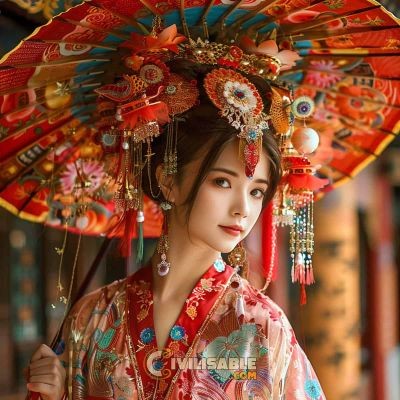
Discover the delicate beauty and cultural depth of the oiled paper umbrella (油纸伞) — a traditional Chinese and East Asian craft that’s quietly making a return in New Zealand’s art circles, heritage festivals, and eco-conscious design markets. Handcrafted with bamboo frames, hand-painted motifs, and waterproofed with natural tung oil, these umbrellas were once essentials for everyday life and ceremonial use across Asia.
In Aotearoa, the oiled paper umbrella is gaining traction not only as a cultural artefact but as a symbol of slow craftsmanship and sustainable living. From Chinese New Year celebrations in Auckland and Dunedin to boutique stores in Wellington featuring curated handmade goods, this umbrella carries a sense of elegance and meaning that resonates with Kiwi values of authenticity and storytelling.
Whether you’re a collector of Asian antiques, a set designer, a sustainable fashion lover, or simply someone drawn to the poetic beauty of hand-painted heritage, the oiled paper umbrella holds a special place. It invites us to pause, reflect, and protect not just from rain — but from the erosion of cultural memory.
NZ Relevance Highlights:
Fits into NZ’s growing appreciation for handmade, natural products
Popular at cultural festivals (e.g., Lantern Festival, Moon Festival)
Ideal for film, theatre, and wedding design with East Asian influences
Appeals to heritage educators and multicultural classrooms
Represents cross-cultural connections between Māori and Chinese artisanship in shared respect for nature-based materials
Hashtags:
#oiledpaperumbrellanz #traditionalcraftnz #chineseculturenz #slowcraftnz #ecodesignnz #asianheritagenz #lanternfestivalnz #handmadeumbrellanz #culturalartsnz #kiwicraftcollectors #nzasianfusion
11.3K
319
0
35
Share