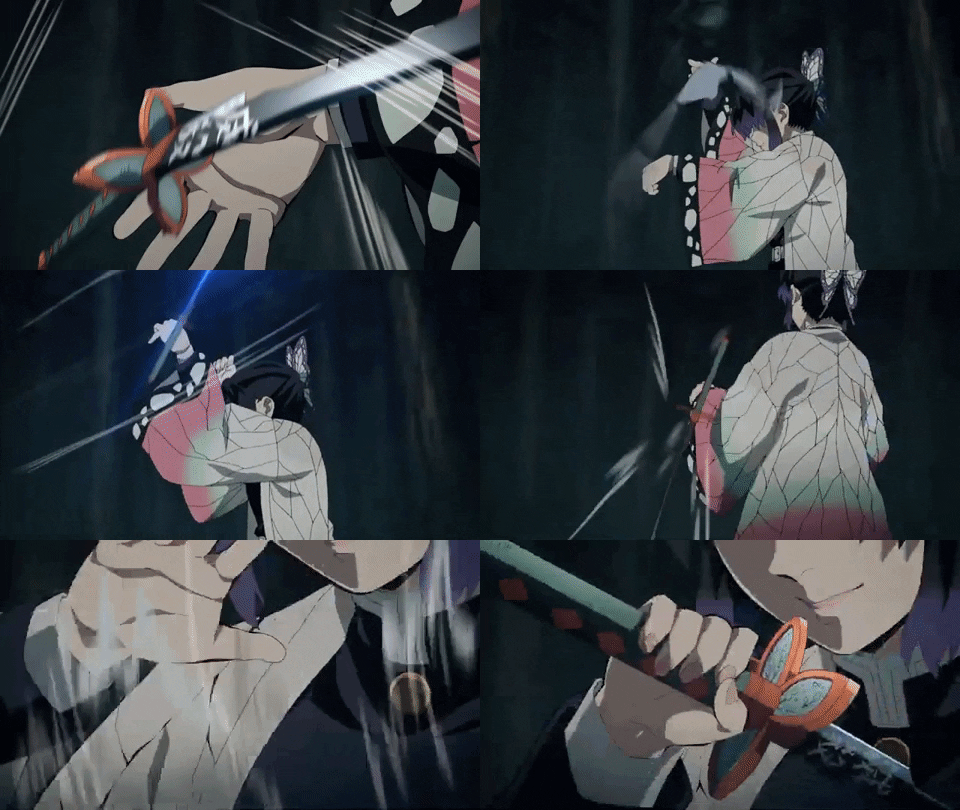
Prepare to be amazed! Watch this jaw-dropping salt magic trick that will leave you questioning reality. It's all in the flick of the wrist, but you won't believe how it’s done! This mind-blowing trick is perfect for a quick thrill. Check it out now!
#magictrick #saltmagic #mindblown #magicshorts #amazingtricks #sleightofhand #shortsmagic #magicforall #trickoftheday #insanemagic
86.2K
70
0
43
Share

高速回転だし巻きたまご🍳王道のシンプルだし巻きは550円、明太子やクリームチーズ、納豆、スパムなどいろいろな具も入れれる!#japanesefood #名古屋グルメ #大好物は高カロリー #egg
54K
31
0
38
Share
The Chinese writing brush (毛笔) is more than just a tool — it’s a symbol of cultural refinement, artistic discipline, and philosophical balance. With over 2,000 years of history, the 毛笔 has been used to craft poetry, philosophy, and visual masterpieces in the flowing art of Chinese calligraphy.
In New Zealand, there’s a growing appreciation for East Asian arts and crafts, and the 毛笔 is becoming a favourite among Kiwi artists, calligraphy students, educators, and cultural enthusiasts. From Auckland’s Chinese cultural centres to art schools in Wellington and Dunedin, traditional brush techniques are being taught, exhibited, and practiced as part of a broader exploration of identity, mindfulness, and intercultural creativity.
The 毛笔 is valued not only for its historical importance but also for the meditative and expressive qualities it brings to writing and painting. Many New Zealanders are discovering how using a brush — instead of a pen — connects them to a slower, more intentional creative process, often associated with Zen thinking, Tai Chi philosophy, and mindful learning.
Calligraphy and brush painting are also featured in Lunar New Year festivals, Asian heritage weeks, and bilingual education initiatives around Aotearoa, where the brush becomes a bridge between cultures. Whether you're a seasoned ink artist or a curious beginner, learning the art of the Chinese writing brush in New Zealand can be both a deeply personal and culturally rich experience.
Hashtags:
#chinesebrushnz #calligraphynz #traditionalartnz #chineseculturenz #maobinz #mindfulartnz #brushpaintingnz #eastasianartnz #nzarteducation #culturalcreativitynz
13.3K
281
0
34
Share
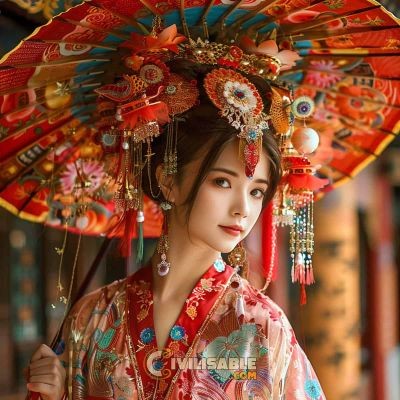
Experience the exhilarating world of bamboo drifting in China! 🌿✨ Join us as we explore this unique and ancient method of transportation that weaves together adventure and tradition. Witness the breathtaking scenery along picturesque rivers while floating on sleek bamboo rafts. In this captivating video, you'll discover: - The rich history of bamboo rafting in Chinese culture - Scenic river landscapes that make for an unforgettable journey - The traditional techniques used by skilled bamboo raftsmen - Tips for an incredible bamboo drifting experience in China Whether you’re an adventure seeker or a cultural enthusiast, this immersive journey into bamboo drifting will leave you amazed. Don't miss out on this unique cultural experience that showcases the beauty and spirit of China. Join us for this awesome bamboo adventure! 🌊🚣♂️ #BambooDrifting #AdventureTravel #ExploreChina #CulturalExperience #OutdoorActivities #NatureLovers #TravelVlog #RiverRafting
Watch more videos in this category: https://vidude.com/videos/category/0
35K
75
0
34
Share
Chinese traditional chopsticks (传统筷) are far more than just eating utensils — they’re a living symbol of cultural grace, craftsmanship, and culinary ritual. In New Zealand, as Asian cuisine continues to soar in popularity, more Kiwis are reaching for authentic, artisan-made chopsticks as part of a broader appreciation for East Asian culture and mindful dining.
These handcrafted chopsticks — often made of bamboo, rosewood, boxwood, or lacquered hardwood — tell stories of dynasty-era etiquette, family customs, and sustainable material use. With Aotearoa’s growing Asian diaspora and interest in slow food, traditional chopsticks are now being embraced in homes, restaurants, and design spaces across the country.
From Wellington’s night markets to Auckland’s boutique kitchenware stores, traditional Chinese chopsticks are being sold not only as practical tools but as art objects and cultural gifts. They’re also becoming part of fusion dining experiences, Asian cooking classes, and even ceremonial practices like weddings or Lunar New Year celebrations.
This cultural crossover is helping New Zealanders reconnect with the values of intention, elegance, and heritage at the dinner table. Whether it’s using chopsticks to elevate a homemade dumpling feast or gifting them as a sign of respect, these humble tools are quietly reshaping how we eat — and how we connect across cultures.
Hashtags:
#chopsticksnz #chineseculturenz #traditionalchopsticks #asiandiningnz #nzasianculture #sustainableutensilsnz #culturalkitchenwarenz #slowdiningnz #eastmeetswestnz #lunarnewyearnz
10.2K
242
0
44
Share
Watch an 83-year-old Japanese master with 60 years of knife experience skillfully fillet tuna—pure craftsmanship, passion, and culinary art in motion.
#fish #japanesefood #sushichef #tunafillet #masterchef #japaneats #traditionalskills
10.8K
270
0
33
Share