






Fast food is often synonymous with convenience, speed, and affordability. However, behind the glossy marketing and irresistible offers lies a concerning reality that many Australians remain unaware of. As fast food chains proliferate across the country, it's crucial to examine the hidden impacts of this industry on health, economy, and culture. This article delves into the darker side of Australian fast food, offering insights into what the industry doesn't want you to know.
The Hidden Health Impact
While fast food outlets provide quick meal solutions, they contribute significantly to health issues such as obesity, diabetes, and heart disease. According to the Australian Bureau of Statistics (ABS), over 67% of Australian adults are now overweight or obese, a condition exacerbated by the high-calorie, low-nutrient nature of fast food. The industry's focus on taste and convenience often overshadows nutritional quality, leading to a public health crisis.
A study by the University of Sydney highlights that frequent consumption of fast food increases the risk of cardiovascular diseases by 34%. Despite this, the marketing strategies of fast food giants often target children and young adults, embedding unhealthy eating habits from an early age.
Case Study: Australia's Fast Food Advertising Strategy
The fast food industry in Australia spends millions on advertising annually, with a significant portion aimed at younger audiences. For instance, McDonald's and KFC have been known to use digital platforms and social media influencers to create appealing campaigns that resonate with younger demographics. This strategy not only boosts sales but also cultivates long-term brand loyalty among impressionable consumers.
Economic Implications
Fast food chains are a significant part of Australia's economy, generating billions in revenue and employing thousands. However, this economic contribution comes with hidden costs. The Reserve Bank of Australia (RBA) reports that while the fast food sector contributes to GDP, it also exacerbates public health expenditures due to rising obesity and related diseases.
The indirect costs of healthcare for treating conditions linked to poor diet choices far outweigh the economic benefits from fast food sales. This paradox poses a challenge for policymakers seeking to balance economic growth with public health.
Regulatory Insights: Australian Competition & Consumer Commission (ACCC)
The ACCC has raised concerns about misleading advertising practices within the fast food industry. In recent years, several chains have been scrutinized for promoting meals as 'healthy' despite high levels of sodium and trans fats. The need for transparent labeling and stricter advertising regulations is increasingly evident to protect consumers from deceptive marketing.
Cultural Shifts and Fast Food
The rise of fast food culture has significantly influenced Australian eating habits, leading to a decline in traditional home-cooked meals. As more Australians opt for convenience, the cultural significance of shared family meals diminishes. This shift impacts not just dietary habits but also social interactions and family dynamics.
Moreover, the homogenization of global fast food brands threatens Australia's diverse culinary heritage. Local cuisines struggle to compete with the aggressive marketing and widespread accessibility of international fast food chains.
Case Study: The Decline of Local Eateries
In cities like Melbourne and Sydney, local eateries offering traditional Australian and multicultural dishes have seen a decline in patronage. Many small businesses have reported a reduction in foot traffic as fast food outlets expand. This trend not only affects the economy but also erodes the rich tapestry of Australia's food culture.
Environmental Concerns
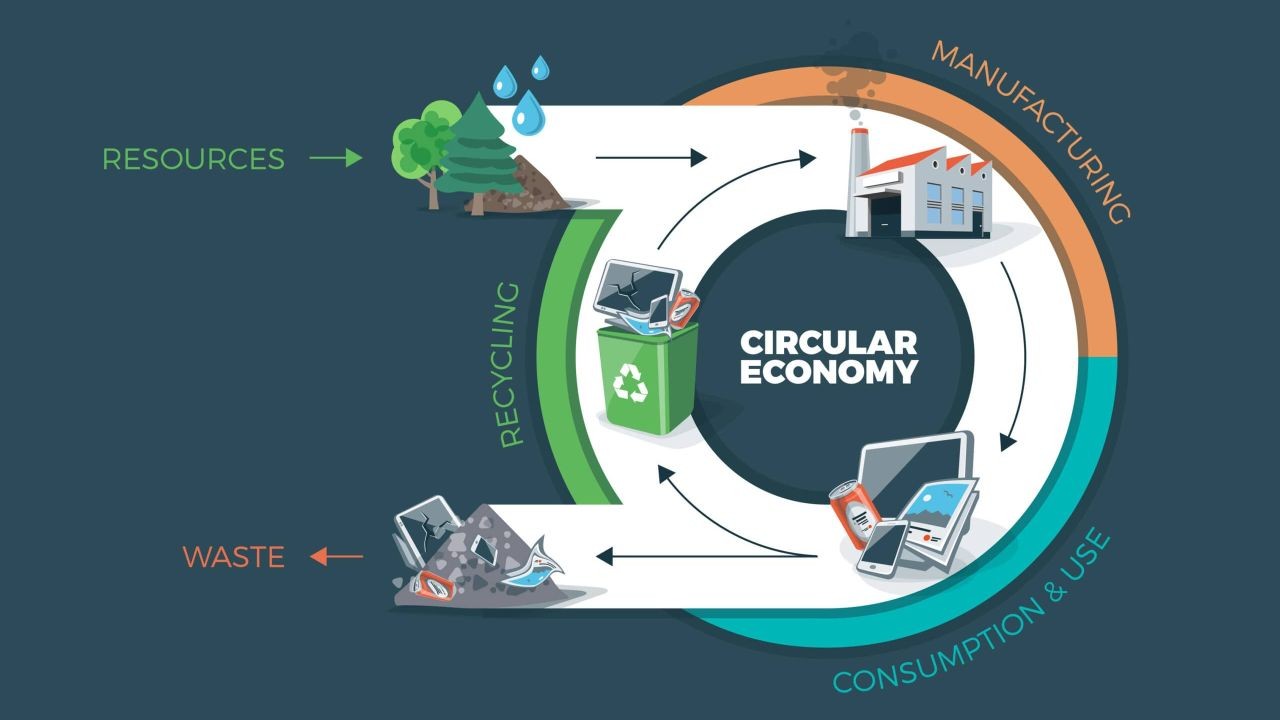
Fast food packaging contributes significantly to environmental pollution. Despite some efforts towards sustainability, the majority of packaging used by fast food chains is non-biodegradable. The CSIRO estimates that fast food packaging accounts for a substantial portion of urban waste, posing a challenge for Australia's waste management systems.
Efforts to implement eco-friendly practices are hindered by cost and logistical challenges. While some chains have introduced recycling programs, the effectiveness and consumer participation remain limited.
Case Study: Sustainable Initiatives in Fast Food
McDonald's Australia has taken steps towards sustainability by trialing paper straws and recycling initiatives. However, critics argue that these measures are insufficient compared to the scale of the problem. The need for industry-wide changes and consumer awareness is crucial to reduce the environmental footprint of fast food.
Myths and Misconceptions
- Myth: Fast food is cheaper than cooking at home. Reality: While individual meals may seem inexpensive, the cumulative cost of frequent fast food consumption exceeds home-cooked meals. According to a report by Choice Australia, preparing meals at home can save households up to 25% annually.
- Myth: Fast food is a time-saver. Reality: The convenience of fast food is offset by the time lost to health issues and decreased productivity due to poor nutrition. A University of Melbourne study found that individuals consuming fast food regularly reported higher instances of fatigue and lower work performance.
Industry Secrets: The Real Cost of Fast Food
Few consumers are aware of the strategic pricing and portion control practices employed by fast food chains. By offering larger portions at seemingly discounted prices, these businesses encourage overconsumption. This practice not only boosts immediate sales but also fosters dependency, as consumers become accustomed to larger portion sizes.
Another industry secret is the extensive use of addictive additives like sugar and salt, which enhance flavor but have detrimental health effects. These ingredients are engineered to create a craving, driving repeat business.
Future Trends and Predictions
The fast food industry in Australia is poised for significant changes in response to increasing consumer awareness and regulatory pressures. By 2025, it's anticipated that healthier, plant-based menu options will dominate the market, driven by a growing demand for sustainable and nutritious food choices.
Moreover, technological advancements like AI-driven ordering and delivery systems will streamline operations and enhance customer experiences. As these trends gain momentum, traditional fast food chains must adapt to remain competitive.
Globally, the shift towards ethical consumption is influencing Australian consumers. Brands that fail to prioritize transparency and health may face declining market share as consumers increasingly value quality over convenience.
Conclusion
The fast food industry in Australia presents a complex interplay of economic benefits and health challenges. As consumers become more informed, there is a growing demand for transparency, healthier options, and environmentally responsible practices. By holding fast food chains accountable and making informed choices, Australians can foster a healthier society and preserve their rich culinary heritage.
Want to join the conversation about the future of fast food in Australia? Share your thoughts and experiences in the comments below or on social media using #AUSFastFoodDebate.
People Also Ask
- How does fast food impact businesses in Australia?Fast food contributes to GDP through sales but also increases public health costs due to related diseases, affecting overall economic balance.
- What are the biggest misconceptions about fast food?One common myth is that fast food is cheaper than home-cooked meals, whereas reports indicate it's more costly in the long run.
- What upcoming changes in Australia could affect fast food?By 2025, policy updates focusing on health and sustainability could reshape the fast food landscape, emphasizing transparency and eco-friendly practices.
Related Search Queries
- Impact of fast food on Australian economy
- Fast food consumption statistics Australia
- Health effects of fast food in Australia
- Environmental impact of fast food packaging
- Fast food advertising regulations Australia
- Sustainable fast food practices
- Future trends in fast food industry
- Obesity and fast food in Australia
- Fast food chain marketing strategies
- Comparative analysis of fast food vs. home cooking