




Introduction
Have you ever wondered why your homemade coffee doesn’t quite match the robust flavors of your favorite café in Wellington or Auckland? Despite New Zealand's burgeoning coffee culture, where the love for a perfectly brewed cup rivals that of Italy, many Kiwis still struggle to replicate that barista-quality experience at home. According to a recent report by Stats NZ, the number of coffee drinkers in New Zealand has increased by 24% over the past decade, underscoring the nation’s deepening coffee obsession. Yet, this passion often meets frustration when faced with the complexities of achieving the perfect brew. In this guide, we’ll dissect the art and science of coffee making, ensuring that your next cup at home is nothing short of perfection. What’s your take on homemade coffee? Share your insights below!
Why is the Coffee Culture So Significant in New Zealand?
New Zealanders have embraced coffee as a daily ritual, thanks to its rich history and cultural significance. The country is home to several boutique coffee roasters and innovative brewing techniques that have made it a hotbed for coffee enthusiasts. According to MBIE (Ministry of Business, Innovation, and Employment), the coffee industry contributes significantly to the local economy, with coffee-related businesses generating nearly 1 billion NZD annually. This cultural importance makes understanding the nuances of coffee preparation all the more crucial for the discerning Kiwi.
How Do I Make the Perfect Cup of Coffee at Home?
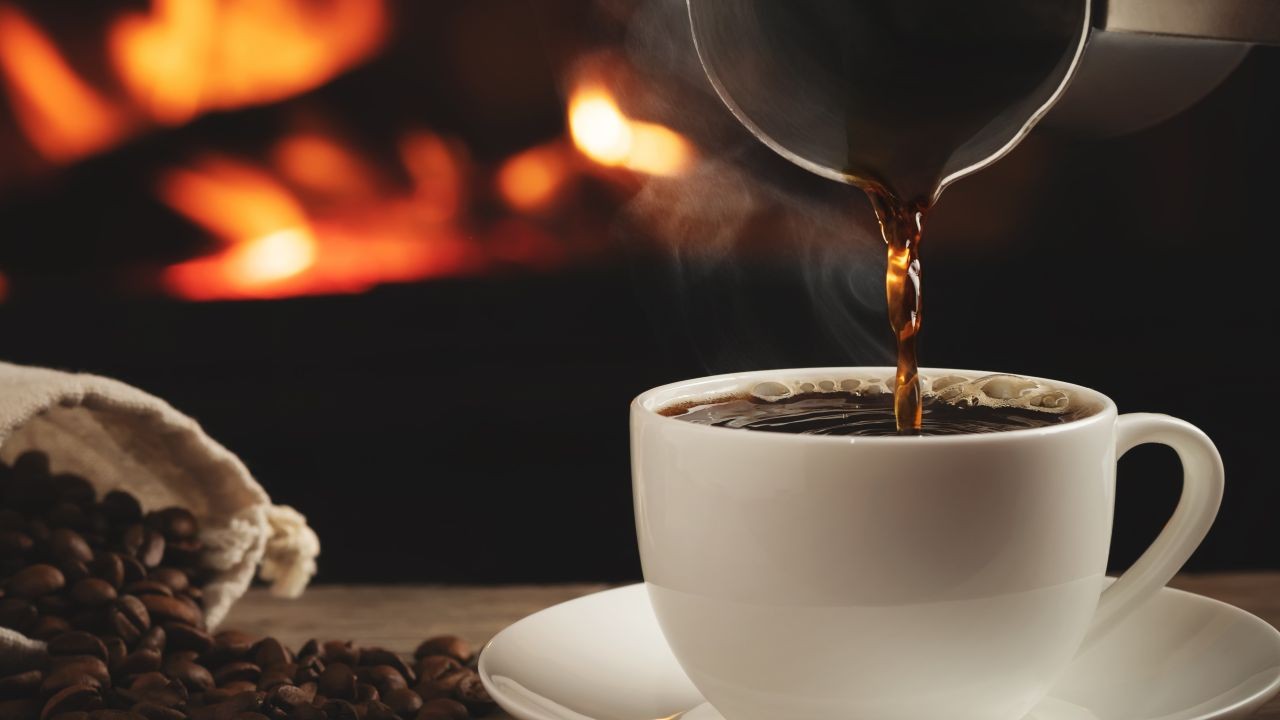
Achieving that perfect cup of coffee at home requires attention to detail and the right equipment. Here’s a step-by-step guide:
- Choose Quality Beans: Opt for freshly roasted beans from local roasters like Flight Coffee or Coffee Supreme. Freshness is key, as coffee loses its flavor rapidly after roasting.
- Proper Grind Size: Adjust your grinder to match your brewing method. A coarser grind suits a French press, while a finer grind is ideal for espresso.
- Use the Right Water: Filtered water is essential to avoid any impurities. The ideal water temperature should be around 92-96°C (198-205°F).
- Measure Precisely: The standard coffee-to-water ratio is 1:15. For instance, use 15 grams of coffee per 225 ml of water.
- Time and Patience: Brew for about 4 minutes for a French press, or follow the specific timing for your chosen method to ensure optimal extraction.
Case Study: The Rise of Home Coffee Brewing in Auckland
Problem: Many Aucklanders yearned for café-quality coffee at home but struggled with inconsistent results.
Action: A local startup, BrewCrew, introduced subscription services offering freshly roasted beans and brewing tutorials.
Result: Over six months, BrewCrew reported a 50% increase in customer satisfaction and a 30% rise in subscriptions, as customers mastered the art of brewing at home.
Takeaway: This highlights the importance of quality ingredients and proper guidance in achieving coffee excellence. New Zealanders can leverage similar strategies to enhance their home brewing experiences.
What Are the Pros and Cons of Brewing Coffee at Home?
Pros:
- Cost-Effective: Home brewing can save up to 40% compared to daily café visits.
- Customization: Allows for personalized brewing tailored to your palate.
- Convenience: Enjoy coffee at your leisure without leaving home.
- Environmental Impact: Reduces the use of single-use cups and supports sustainable practices.
Cons:
- Initial Investment: Quality equipment like grinders and espresso machines can be costly upfront.
- Learning Curve: Mastering the techniques requires time and patience.
- Consistency Challenges: Achieving café-quality consistency can be difficult without practice.
What Common Myths Exist About Home Coffee Brewing?
- Myth: "More coffee equals stronger flavor." Reality: Overloading coffee grounds can result in bitterness rather than a richer taste.
- Myth: "All coffee machines produce the same quality." Reality: The quality varies significantly based on the machine’s build and technology.
- Myth: "Boiling water is best for brewing." Reality: Using boiling water can scald the coffee, leading to a burnt taste; 92-96°C is ideal.
Future Trends and Predictions in New Zealand's Coffee Scene
The coffee industry in New Zealand is heading towards more sustainable practices, with a forecasted increase in demand for eco-friendly packaging and ethically sourced beans. According to a report by Deloitte, the emphasis on sustainability will drive innovations in the industry, such as compostable capsules and carbon-neutral roasting processes. By 2027, the integration of technology in brewing, like smart coffee makers, is expected to redefine the home coffee experience, making it more accessible and enjoyable for the average consumer.
Conclusion
The art of making the perfect cup of coffee at home involves a delicate balance of technique, quality ingredients, and the right equipment. By following these expert insights and industry trends, New Zealanders can elevate their coffee experience beyond the confines of commercial cafés. Ready to embark on your coffee journey? Experiment with different beans and brewing methods to discover your ultimate cup. If you found this guide valuable, share it with your fellow coffee enthusiasts or comment below with your favorite coffee tips!
People Also Ask (FAQ)
- How does coffee culture impact businesses in New Zealand? Coffee culture drives a significant portion of the hospitality industry, contributing nearly 1 billion NZD annually, according to MBIE.
- What are the biggest misconceptions about brewing coffee at home? A common myth is that more coffee equals stronger flavor, but this often leads to bitterness. Proper measurement is key.
- What are the best strategies for making coffee at home? Start with quality beans, measure accurately, and adjust your grind size to match your brewing method for optimal results.
Related Search Queries
- Best coffee beans in New Zealand
- How to use a French press
- Eco-friendly coffee brands
- Home espresso machine reviews NZ
- Coffee brewing techniques
- New Zealand coffee roasters
- Sustainable coffee practices
- Smart coffee makers 2024
- DIY coffee recipes
- How to grind coffee beans at home