





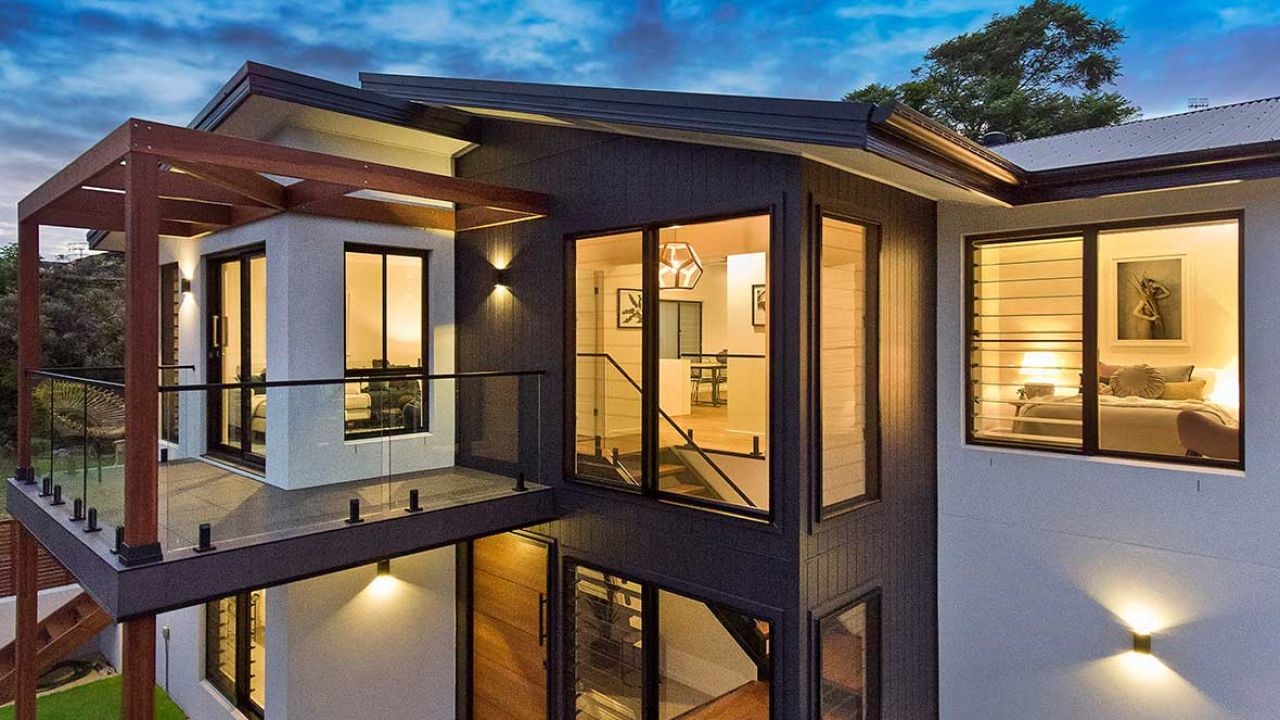
In a country celebrated for its breathtaking landscapes and architectural innovations, home extensions in New Zealand have emerged as a vital industry trend. For many homeowners, extending their existing properties offers a practical alternative to entering the increasingly competitive housing market. This article delves into the best home extension projects across New Zealand, examining their benefits, challenges, and future prospects within the context of local economic and regulatory factors.
Comparative Analysis of Home Extensions in New Zealand
Home extensions can vary significantly in scope and scale, from modest room additions to expansive multi-story extensions. New Zealand’s unique geographic and climatic conditions, along with its regulatory environment, influence these projects in distinctive ways.
Types of Home Extensions
- Single-Story Extensions: Ideal for maximizing ground-level space, these are popular in suburban areas with larger plots.
- Double-Story Extensions: Common in urban areas like Auckland and Wellington, these projects help homeowners increase living space without expanding the building footprint.
- Loft Conversions: A cost-effective way to add bedrooms or office space by converting an attic, particularly popular in older homes.
- Basement Extensions: Although less common, basements provide additional space in properties located on sloped terrain, prevalent in regions like Queenstown.
Pros and Cons of Home Extensions
Evaluating the advantages and disadvantages of home extensions is crucial for informed decision-making.
Pros:
- Increased Property Value: A well-executed extension can significantly boost the market value of a home, often yielding returns that exceed the initial investment.
- Enhanced Living Space: Extensions offer the flexibility to adapt living spaces to evolving family needs.
- Cost-Effective Alternative to Moving: Avoids the costs and stress associated with buying a new property.
- Customization: Allows homeowners to tailor their space to specific tastes and requirements.
Cons:
- Regulatory Hurdles: Navigating building consents and compliance with local council regulations can be complex.
- Disruption and Time: Construction work can be intrusive and may take longer than anticipated.
- Cost Overruns: Unforeseen expenses can occur, especially if issues arise during construction.
Regulatory Considerations in New Zealand
New Zealand's building regulations play a critical role in shaping home extension projects. The Resource Management Act 1991 and Building Act 2004 set out the legal framework for building consents and compliance. These regulations ensure safety and sustainability standards but can also introduce complexities.
According to the Ministry of Business, Innovation and Employment (MBIE), consent applications for home extensions have increased by 15% over the past year, reflecting growing interest but also highlighting the need for streamlined processes to avoid bottlenecks. Engaging experienced professionals who understand local regulations is essential for navigating these requirements efficiently.
Real-World Case Studies
Case Study: Auckland's Urban Extensions
Problem: An Auckland-based family sought additional living space without relocating. The challenge was to expand within the constraints of a densely populated urban area.
Action: The family opted for a double-story extension that maximized vertical space. This involved obtaining multiple consents and working closely with an architect to ensure compliance with Auckland’s Unitary Plan.
Result: The project was completed within nine months. The property value increased by 20%, and the family enjoyed an enhanced living environment.
Takeaway: Comprehensive planning and adherence to urban regulations can significantly improve the feasibility and success of home extensions in densely populated areas.
Case Study: Sustainable Extensions in Queenstown
Problem: A Queenstown homeowner wanted to expand their home while maintaining environmental sustainability.
Action: The project involved a basement extension using sustainable materials and energy-efficient technologies. The design minimized environmental impact and enhanced the property’s eco-friendliness.
Result: The project resulted in a 30% reduction in energy consumption and increased the home’s appeal to environmentally conscious buyers.
Takeaway: Sustainable building practices not only contribute to environmental goals but also enhance property value and appeal.
Future Forecast & Trends
Looking ahead, the demand for home extensions in New Zealand is poised to grow, driven by factors such as urbanization, lifestyle changes, and economic conditions. The Reserve Bank of New Zealand projects a steady increase in property values, which could make extensions an attractive investment.
Emerging trends include incorporating smart home technologies and sustainable building practices into extension projects. Homeowners are increasingly prioritizing energy efficiency and eco-friendly materials, aligning with global sustainability goals. Furthermore, the integration of digital tools in design and planning processes is expected to streamline project execution and enhance customization options.
Common Myths & Mistakes
Myth vs. Reality
- Myth: "All home extensions require expensive architects."
- Reality: While architects are beneficial for complex projects, simple extensions may only require a skilled builder and standard plans. Engaging a design-build firm can often reduce costs and streamline the process.
- Myth: "Extensions always increase property value."
- Reality: Poorly planned or executed extensions can detract from a property’s value. Ensuring quality and compliance with local market demands is crucial for a positive return on investment.
- Myth: "DIY extensions are cost-effective."
- Reality: DIY projects can lead to significant problems if not executed correctly, often resulting in higher costs for corrections than professional engagement would have incurred initially.
Biggest Mistakes to Avoid
- Ignoring Permits: Failing to obtain necessary permits can lead to fines and project delays. Always verify requirements with local councils before commencing work.
- Underestimating Costs: Budget overruns are common. Comprehensive planning and contingency funds are essential to manage unforeseen expenses.
- Choosing Inappropriate Materials: Materials should align with the existing structure and local climate to ensure longevity and safety.
Conclusion
Home extensions in New Zealand represent a dynamic and rewarding sector, offering homeowners numerous benefits when approached correctly. From increasing property value to enhancing living spaces, the advantages are significant. However, these projects require careful planning, adherence to regulations, and strategic execution to maximize returns and minimize risks.
As the industry evolves, staying abreast of trends and innovations is crucial for success. Whether you're considering an extension or advising clients, understanding the intricacies of the New Zealand market will ensure informed decisions that align with personal or professional goals.
What’s your next move? Are you prepared to navigate the complexities of New Zealand’s home extension landscape? Share your thoughts and experiences below!
People Also Ask
- How do home extensions impact property value in New Zealand? Extensions can significantly increase property value, especially when well-planned and executed. However, poor-quality work can have the opposite effect.
- What are the most common types of home extensions in New Zealand? Single-story and double-story extensions are popular, along with loft conversions and basement extensions, each suited to different needs and locations.
- What are the biggest misconceptions about home extensions? A common myth is that all extensions increase property value. However, quality and compliance with local market demands are crucial for a positive ROI.
Related Search Queries
- Best home extension companies in New Zealand
- Cost of home extensions in New Zealand
- Regulations for home extensions in Auckland
- Sustainable home extensions NZ
- Home extension trends 2024
For the full context and strategies on Best Home Extension Projects in New Zealand, see our main guide: Construction Safety Training Nz.