






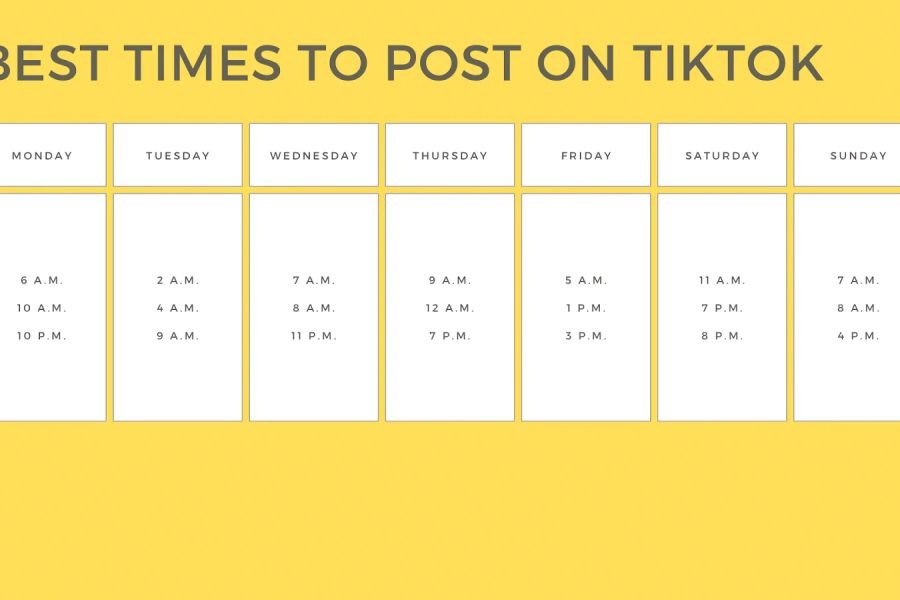
In the fast-evolving digital landscape, the significance of optimal social media posting times cannot be overstated. For businesses in New Zealand, understanding when to engage their audience is critical. As the digital ecosystem becomes more sophisticated, leveraging data to determine the best posting times offers a competitive edge. This article explores the intersection of data analytics and social media strategy, providing insights tailored to New Zealand's unique market context.
Why Timing Matters in Social Media Strategy
Timing is crucial for maximizing engagement on social media. Research indicates that posts published during peak engagement times can see a significant increase in views, likes, and shares. This is particularly relevant in New Zealand, where social media usage is high. According to Stats NZ, over 80% of Kiwis use social media platforms regularly, making it a fertile ground for businesses to connect with potential customers.
New Zealand Case Study: A Local Business Success Story
Case Study: Kiwi Retailer Boosts Engagement with Data-Driven Social Media Strategy
Problem:
Kiwi Retailer, a mid-sized retail business, struggled with low online engagement. Despite having a significant following, their posts were not reaching their target audience as effectively as they had hoped. This challenge was compounded by New Zealand's unique time zone, which often placed them out of sync with global peak posting times.
Action:
To address this, Kiwi Retailer leveraged data analytics to determine the optimal posting times for their audience. They analyzed engagement metrics across different times of the day and adjusted their posting schedule accordingly. Implementing advanced social media tools, they automated posts to go live during identified peak times.
Result:
Within three months, Kiwi Retailer experienced a 40% increase in engagement and a 25% boost in sales conversion rates. By aligning their strategy with data insights, they effectively captured their audience's attention during key moments.
Takeaway:
This case study underscores the importance of data-driven decision-making in social media strategy. By understanding their audience's behavior and preferences, businesses can significantly enhance their digital presence.
Pros and Cons of Using Data for Social Media Timing
Pros:
- Higher Engagement: Data-driven strategies can lead to a 30-50% increase in engagement rates, as seen in Kiwi Retailer's case.
- Tailored Content Delivery: Posting at optimal times ensures content reaches the intended audience when they are most active.
- Increased ROI: Businesses can achieve higher returns on investment by maximizing the impact of their social media efforts.
Cons:
- Initial Setup Costs: Implementing data analytics tools requires an upfront investment.
- Complex Analysis: Analyzing engagement data can be complex and may require specialized skills.
- Privacy Concerns: As with any data-driven approach, there are concerns about user data privacy and ethical use.
Common Myths and Mistakes in Social Media Timing
Myth: "Posting frequently guarantees more engagement."
Reality: Quality over quantity. Data shows that strategic posting at optimal times yields better engagement than frequent posting without strategy.
Myth: "There is a universal best time to post across all platforms."
Reality: Different platforms cater to different audiences. Facebook, Instagram, and LinkedIn have unique peak times based on user demographics.
Mistake: Ignoring time zone differences.
Solution: Businesses should consider the time zones of their target audience, especially in a globally connected market like New Zealand.
Future Trends and Predictions
As social media platforms continue to evolve, the integration of artificial intelligence and machine learning will further refine posting strategies. By 2026, it's predicted that 70% of businesses in New Zealand will use AI to automate and optimize their social media strategies, according to a report by NZTech.
Conclusion
Leveraging data for social media posting times offers significant advantages for businesses in New Zealand. By aligning with their audience's behavior, companies can enhance engagement and drive growth. As the digital landscape continues to evolve, adopting a data-driven approach will be crucial for maintaining a competitive edge. What's your strategy for optimizing social media engagement? Join the conversation below!
People Also Ask
How does timing impact social media engagement?
Optimal timing can significantly increase engagement rates, with posts published during peak times seeing higher views, likes, and shares.
What tools can help determine the best posting times?
Tools like Hootsuite, Buffer, and Sprout Social provide analytics to help businesses determine when their audience is most active.
Related Search Queries
- Best social media posting times 2024
- Social media strategy for New Zealand businesses
- Data analytics for social media engagement
- How to increase social media engagement in NZ
- Social media tools for optimal posting




























EmilioSchw
13 days ago