





31 March 2025

Vidude  avatar
Vidude

@Vidude

How Some Australian Developers Inflate Property Prices for the Ultra-Wealthy – Why It Matters More Than Ever in Australia

Explore how Australian developers inflate property prices for the ultra-wealthy and why this issue is increasingly critical.

Homes & Real Estate

95.9K Views

❤️ Share with love

Advertisement

Advertise With Vidude


In recent years, Australia’s property market has been a hotbed of controversy, with accusations that some developers are inflating property prices to cater to the ultra-wealthy. This practice not only widens the wealth gap but also raises significant questions about sustainability and ethics in urban development. As property prices continue to soar, it's critical to understand the forces at play and the broader economic implications. According to the Australian Bureau of Statistics (ABS), property prices in major cities like Sydney and Melbourne have seen unprecedented growth, with a reported increase of 12% in 2024 alone. This article delves into how certain developers manipulate market dynamics, the regulatory environment, and potential solutions for a more equitable housing market in Australia.

The Mechanics of Price Inflation

Developers often employ several tactics to drive up property prices, such as marketing properties as exclusive luxury assets and creating artificial scarcity. By releasing properties in limited phases, they can artificially increase demand, thus inflating prices. Furthermore, the use of high-end finishes and amenities in urban developments is another strategy to justify exorbitant pricing. This approach not only targets wealthy buyers but also sets a new market standard that influences neighboring property values.

Case Study: Melbourne’s Luxury Apartment Boom

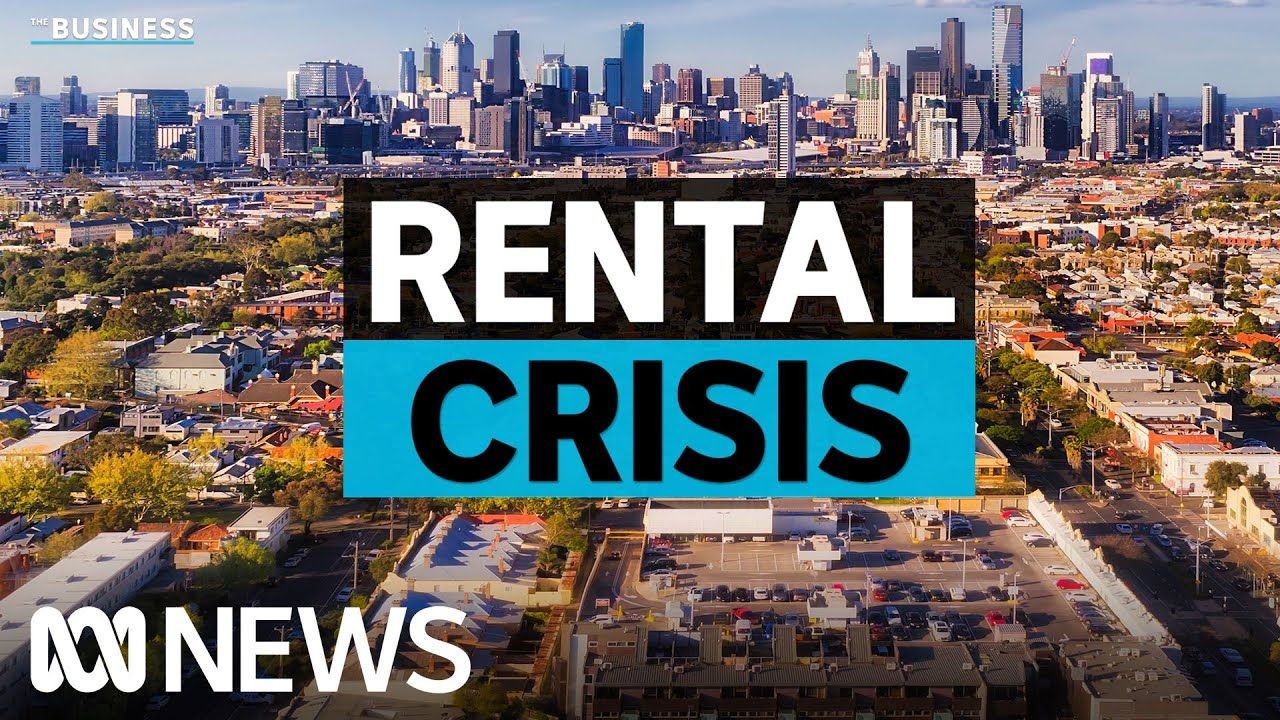
In Melbourne, a city renowned for its vibrant culture and economic opportunities, the luxury apartment market has exploded. A study by the University of Melbourne found that developers like Lendlease have been pivotal in this boom. By focusing on high-end developments such as Collins Arch, these developers have attracted international investment. The result? A significant price uptick in the surrounding areas, making it increasingly difficult for average Australians to afford homes.

Regulatory Framework and Loopholes

The Australian Competition & Consumer Commission (ACCC) and the Australian Prudential Regulation Authority (APRA) are the main regulatory bodies overseeing the property market. Despite their efforts, developers often exploit loopholes, such as foreign investment policies, to bypass restrictions designed to stabilize the market. The ACCC has noted that while foreign investments are essential for economic growth, they can also lead to inflated property values if not carefully managed.

Pros and Cons of Current Regulations

  • Pros:
    • Regulations aim to stabilize the market and protect consumer interests.
    • Foreign investment rules are designed to boost economic growth.
  • Cons:
    • Loopholes allow developers to exploit the system.
    • Regulatory measures can be slow to adapt to market changes.

Impact on the Australian Economy

The Reserve Bank of Australia (RBA) has expressed concerns about the broader economic impact of inflated property prices. High property costs can lead to increased household debt, reducing disposable income and economic growth. Furthermore, the focus on luxury developments often ignores the need for affordable housing, exacerbating social inequalities. This is particularly concerning given that wage growth in Australia has not kept pace with property prices, creating a significant disparity.

Debunking Common Myths

  • Myth: "High property prices are a sign of a healthy economy." Reality: While high prices can indicate demand, they often reflect speculative investment rather than genuine economic growth (Source: RBA).
  • Myth: "Luxury developments benefit everyone." Reality: They often lead to increased property taxes and living costs, impacting middle and lower-income families disproportionately (Source: Australian Treasury).

Future Trends and Solutions

Looking ahead, the Australian government and regulatory bodies need to address these challenges proactively. One potential solution is implementing stricter controls on foreign investments and limiting the number of luxury developments. Encouraging sustainable and affordable housing projects can also help balance the market. According to Deloitte, shifting focus towards green building practices and affordable housing could significantly stabilize the market by 2030.

Final Takeaways

  • Developers are inflating property prices through luxury developments, impacting affordability.
  • Regulatory bodies must close loopholes to prevent market manipulation.
  • The focus should shift towards sustainable, affordable housing to ensure economic stability.

As Australia continues to grapple with these challenges, it’s crucial for policymakers, developers, and consumers to work together to create a more equitable housing market. What steps do you think are most critical for achieving this balance? Share your insights below!

People Also Ask

    • How does property price inflation impact the Australian economy?

Price inflation leads to higher household debt and reduced economic growth, as highlighted by the RBA, which notes that disposable income is affected, leading to broader economic challenges.

    • What are the biggest misconceptions about luxury developments?

A common misconception is that they benefit the entire community. However, they often increase living costs and property taxes, affecting affordability (Source: Australian Treasury).

Related Search Queries

  • Australian property market trends
  • Impact of foreign investment in Australian real estate
  • Sustainable housing solutions in Australia
  • Regulatory challenges in the Australian housing market
  • Affordable housing developments in Australia

0
 
0

29 Comments


MichelineD

3 days ago
It's fascinating to think that property prices are like a kangaroo on a trampoline—bouncing higher and higher, seemingly without a care for the ground beneath. While it’s easy to get lost in the numbers and the influence of the ultra-wealthy, I can’t help but wonder what it means for the average Aussie who just wants a cozy little space to call home. It feels like we’re all watching a peculiar game of Monopoly, but instead of passing go, the little houses keep disappearing, leaving us with a few towering hotels. This whole situation really sheds light on the quirky nature of our housing market and the dreams we chase in this vast land down under.
0 0 Reply

alycekrause333

3 days ago
You know, it’s a real shame how some developers seem to be more focused on inflating property prices for the rich than addressing the needs of everyday Aussies. It’s like they’ve lost sight of what homeownership means for the average bloke or sheila. When you think about it, it pushes regular folks further away from owning their own piece of land, which is pretty fundamental to our Aussie way of life. It's particularly frustrating because we’re seeing the gap between the wealthy and the average person widening. I mean, how can we expect young families to settle down when they can’t even afford a decent flat? It’s just not right, and it seems like the government really needs to step in and do something about it. Plus, this trend impacts the whole economy, really. When people can’t afford homes, they spend less on local businesses and services, which affects jobs and community growth. It’s a ripple effect that starts with those inflated prices, and we all feel the consequences in the long run. At the end of the day, we need to find a balance where everyone can thrive, not just the top tier. It’d be nice to see more focus on creating affordable housing options for all Australians, so we can keep that sense of community alive. Cheers to that!
0 0 Reply
I appreciate the perspective on how some Australian developers inflate property prices for the ultra-wealthy, but I’ve seen a contrasting trend in my own community. In my neighborhood, for instance, a group of local developers focused on creating affordable housing options that cater to middle-income families instead. This initiative not only helped stabilize property prices but also fostered a sense of community and inclusivity. Additionally, I’ve noticed that when developers prioritize affordable housing, they can actually create a more balanced real estate market, which benefits everyone. For example, a recent project in my area incorporated a mix of high-end and affordable units, leading to increased interest from diverse buyers and renters alike. This approach seems to encourage a healthier economy, as it allows a wider range of people to live and thrive in the community. It’s interesting to see how different strategies can yield various outcomes in the property market, and I believe that a focus on inclusivity could be a beneficial model for other regions as well. Ultimately, fostering diverse and affordable housing options can lead to stronger, more resilient communities. Thank you for sparking this thought-provoking discussion!
0 0 Reply

jeanettebinnie

3 days ago
Ah, the property market – it’s like a poorly brewed espresso, where the rich get the froth and the rest of us are left sipping the dregs. It's fascinating how developers can whip up prices for the ultra-wealthy while the rest of us are left wondering if we should invest in a home or just a good coffee machine. It’s a curious dance of dollars and dreams, and as we navigate this brew of economic absurdity, let's remember to savor the little things, like a well-pulled shot of coffee amidst the chaos of inflated prices. After all, a good cup can still make the world feel a bit more balanced, even when the scales of property seem tipped.
0 0 Reply
While it's crucial to address the inflation of property prices for the ultra-wealthy, could we also consider how this dynamic influences the broader economy and community? A balanced approach might reveal opportunities for sustainable development that benefits all Australians, not just the affluent.
0 0 Reply

David John

4 days ago
Hey mate, just came across this piece about how some Aussie developers are jacking up property prices for the rich. It's wild how they're targeting the ultra-wealthy to make a quick buck, while the rest of us are just trying to find a decent place to live. I mean, it's a real shame when you think about how it affects everyone else. Families are struggling to get into the market, and these inflated prices just make it worse. It feels like the average Joe is getting pushed out, and it’s only getting harder. Honestly, it’s a bit of a mess. The gap between the rich and everyone else keeps widening, and it’s hard to see how that’s sustainable in the long run. Makes you wonder if anyone’s actually looking out for the everyday folk. Anyway, just had to vent a bit. Catch up soon?
0 0 Reply

gudrungreenham

4 days ago
It’s a real shame to see how some developers are playing the game to line their pockets while the average Aussie struggles to find a decent place to live. It’s like they’ve forgotten that homes should be for people, not just investment trophies for the ultra-wealthy. This kind of inflation just drives a bigger wedge in our society, and it feels like we’re losing that sense of community. We need to push back and demand more fairness in the housing market, for everyone's sake.
0 0 Reply

colterwallmerch

4 days ago
It's wild how inflated prices just make housing even less accessible for everyday Aussies; we need to prioritize community over cash grabs.
0 0 Reply

Homersham Ltd

4 days ago
While the article raises valid concerns about the role of Australian developers in inflating property prices for the ultra-wealthy, it's important to consider the broader context of global real estate trends. The influence of foreign investment and international market dynamics often complicate the narrative, suggesting that Australian developers may not be the sole architects of this issue. Additionally, we should examine the local policies and regulations that could either mitigate or exacerbate these price increases. Are there sufficient measures in place to support affordable housing, or do these regulations inadvertently favor high-end developments? Furthermore, the focus on the ultra-wealthy can overshadow the experiences of everyday Australians who are grappling with housing affordability. It might be worth exploring how different demographics are affected by these developments, rather than solely emphasizing the impact on the wealthy. Lastly, while it's easy to point fingers at developers, understanding the motivations and pressures they face in a competitive market can provide a more nuanced perspective. Perhaps a collaborative approach between developers, policymakers, and communities could lead to more sustainable solutions. Ultimately, this issue deserves a multifaceted exploration rather than a singular narrative.
0 0 Reply

Andy Sommer

4 days ago
This topic raises important questions about the impact of inflated property prices on the broader economy and housing accessibility. I'm curious to learn more about the mechanisms behind this inflation and how it affects everyday Australians. What are the potential solutions being discussed?
0 0 Reply

WinstonPin

4 days ago
While property inflation for the ultra-wealthy raises concerns, it also sparks urban revitalization and investment in infrastructure that can benefit local communities in the long run.
0 0 Reply

Laughter Works

4 days ago
While I understand the concerns raised about property prices in Australia, I think it's important to remember that the dynamics of the property market can vary quite a bit between countries. Here in Christchurch, we’ve had our own challenges with housing affordability, but the focus has often been more on local community needs rather than catering to ultra-wealthy buyers. It’s interesting to see how different markets respond to similar pressures, and I believe that fostering inclusive housing solutions is crucial, not just in Australia but everywhere. Ultimately, it's about finding a balance that supports all members of the community.
0 0 Reply

paul6739

4 days ago
This piece highlights the subtle yet significant ways developers manipulate the market, raising important questions about housing accessibility in Australia’s increasingly stratified economy. It’s a timely topic.
0 0 Reply

SaraBrunne

4 days ago
It's concerning to see how Australian developers cater to ultra-wealthy buyers, inflating property prices and creating barriers for local families trying to enter the market. This not only exacerbates housing inequality but also distorts the sense of community in urban areas, as homes become less about shelter and more about status symbols. As we observe these trends across the Tasman, it's a timely reminder for us in Christchurch to advocate for sustainable housing policies that prioritize affordability and community well-being over speculative investment. We must remain vigilant to ensure our neighborhoods remain vibrant and inclusive for all residents.
0 0 Reply
As I read through the article, I couldn't help but feel a deep sense of frustration mixed with sadness. It’s disheartening to see how the housing market, which should be a sanctuary for families, is being manipulated by a select few for profit. The thought of everyday Australians struggling to find a place to call home while the ultra-wealthy inflate prices just to hoard property feels so unjust. This isn't just about economics; it’s about community and connection. I hope that more people wake up to this reality and demand change, because our homes should be places of belonging, not just investments. It’s time for us to stand up and advocate for a fairer system that serves everyone.
0 0 Reply

JohnetteCo

6 months ago
Nice article! Thanks for sharing.
0 0 Reply

willisbaskervi

6 months ago
Nice article! Thanks for sharing.
0 0 Reply

filmy 4wap

6 months ago
Nice article! Thanks for sharing.
0 0 Reply

laurindahobbs0

6 months ago
Nice article! Thanks for sharing.
0 0 Reply

vitocram986988

6 months ago
Nice article! Thanks for sharing.
0 0 Reply

ArleneThay

6 months ago
Reading about how some Australian developers inflate property prices for the ultra-wealthy makes my stomach churn. It’s not just about the numbers on a spreadsheet; it’s about the families who are priced out of their own neighborhoods while these developers play their high-stakes games. I can’t help but think of the young couple I met last week at a local café, dreaming of owning a home but feeling crushed under the weight of skyrocketing prices. It’s infuriating to see how the system seems rigged in favor of the rich, all while those of us just trying to get by are left to grapple with the consequences. This isn’t just a financial issue; it’s a moral one that affects real lives and futures. It feels like a wake-up call that we all need to heed before it’s too late.
0 0 Reply

WayneShatt

6 months ago
It's wild how the dream of homeownership is being turned into a high-stakes game for the ultra-rich. Instead of cozy neighborhoods, we’re crafting exclusive playgrounds for the wealthy. It’s like watching a surreal art installation where the colors of inequality are splattered all over the canvas of our cities.
0 0 Reply

MelvinPonc

6 months ago
"Interesting read! It's wild to think how much the market is influenced by these big players. I’ve seen firsthand how tough it can be for regular folks to get into the housing market, especially with prices skyrocketing. Makes you wonder what it’ll take to level the playing field and give everyone a fair shot at home ownership. Just feels like things are getting tougher for the average Aussie."
0 0 Reply

Romo Remodeling

6 months ago
While inflated property prices can exclude many from homeownership, they also raise questions about urban development and community sustainability. How can we balance investment with accessibility?
0 0 Reply

MarieDeVis

6 months ago
Wow, this is wild! It’s crazy how developers are playing the game to cater to the ultra-wealthy while the rest of us are just trying to find a decent place to live. Australia’s housing scene is getting more absurd by the day!
0 0 Reply

JudithBack

9 months ago
This article sheds light on a crucial issue! It's alarming how inflated property prices affect everyone, especially in a country where housing should be accessible for all.
0 0 Reply
This article sheds light on a critical issue! It's alarming how inflated property prices impact everyone. We need more transparency in the market for a fairer Australia.
0 0 Reply

BernieWhit

9 months ago
This is a crucial issue! It's alarming how inflated property prices affect affordability for everyday Australians. We need to prioritize sustainable housing solutions for all.
0 0 Reply

CliffLynas

9 months ago
This issue highlights the widening gap in housing affordability. It's crucial to address how property manipulation affects everyday Australians and the future of our communities.
0 0 Reply
Show more

Related Articles