




Have you ever wondered how the changing seasons impact the beauty industry in New Zealand? The dynamic climate of New Zealand not only influences what we wear but also shapes the beauty products we choose. With its unique weather patterns, New Zealand presents a compelling case for examining how seasonal changes affect consumer behavior, particularly in the makeup industry. This article delves into the intricate relationship between New Zealand's seasonal weather and makeup choices, offering insights that are crucial for businesses and economists alike.
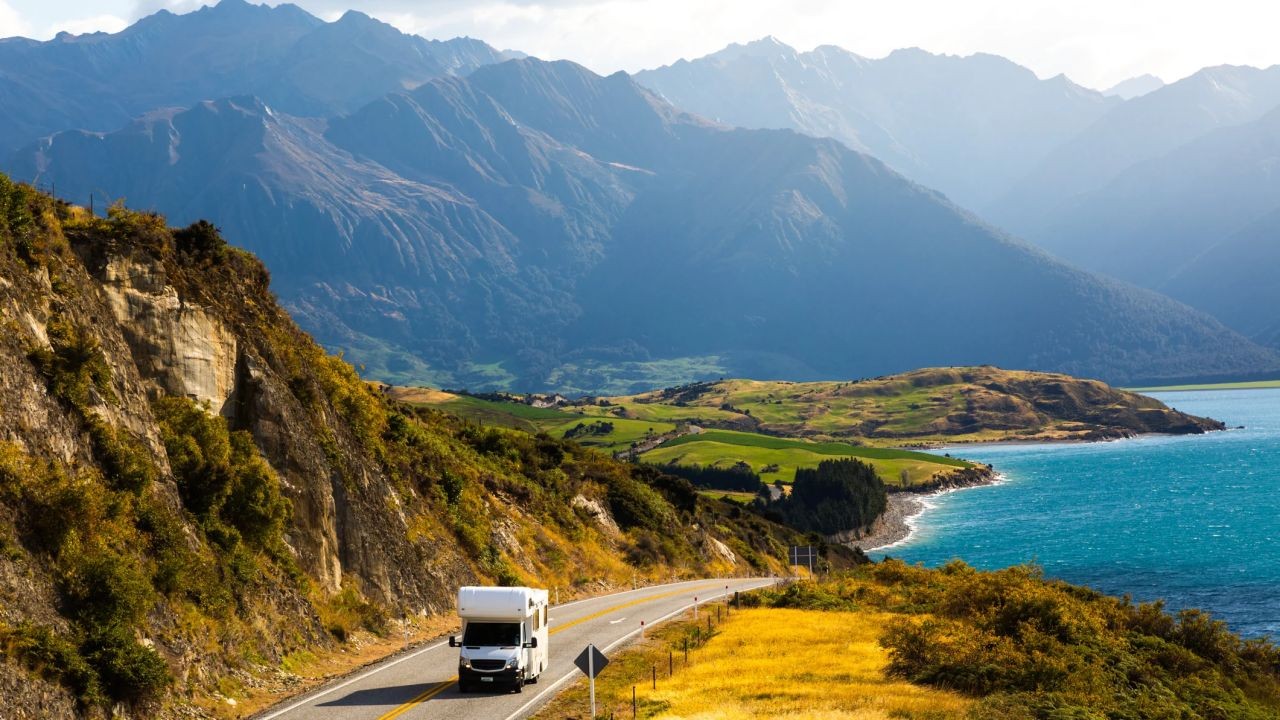
New Zealand, known for its lush landscapes and unpredictable weather, experiences significant variations in its climate throughout the year. These changes impact not only daily life but also the economic landscape, influencing industries ranging from agriculture to cosmetics. Understanding these effects provides valuable insights for businesses looking to optimize their strategies in response to changing consumer preferences.
How Seasonal Weather Impacts Makeup Choices in NZ
As the seasons change, so do the skincare and makeup preferences of consumers in New Zealand. The country's distinct climate zones mean that what works in Auckland's humid summers might not be suitable for the crisp, dry winters of Queenstown. This variability presents both challenges and opportunities for the cosmetics industry.
Consumer Behavior: A Seasonal Shift
- Summer: With high UV levels, sunscreen-infused makeup products see a surge in demand. Lightweight foundations and tinted moisturizers replace heavy coverage options, catering to the need for breathable, protective layers.
- Winter: As temperatures drop, consumers gravitate towards hydrating and nourishing products. Rich creams and full-coverage foundations become staples, addressing the harsh, dry conditions.
- Transitional Seasons: Spring and autumn bring fluctuating weather, prompting a mix of products that balance hydration and protection. This period sees a rise in multi-use products that adapt to varying conditions.
These seasonal shifts are not merely anecdotal. A report from Stats NZ highlights that cosmetics sales fluctuate by up to 25% between the summer and winter months, underscoring the importance of seasonal adaptability in product offerings.
Industry Insights: Adapting to Change
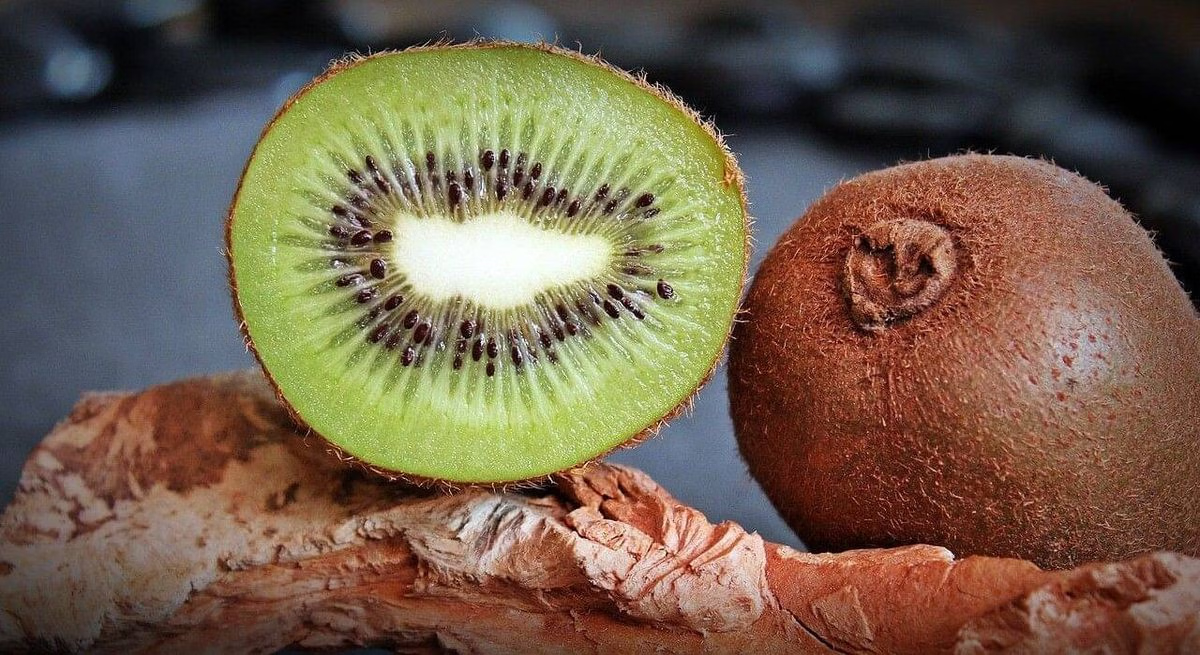
For New Zealand-based cosmetic companies, understanding these patterns is vital. Brands like Antipodes and Trilogy have successfully leveraged local ingredients, such as kiwi seed oil and manuka honey, to create products that cater to seasonal needs. These ingredients not only resonate with the local market but also appeal to a global audience seeking natural and effective skincare solutions.
New Zealand’s climate is as diverse as its landscapes, ranging from subtropical warmth in the north to cooler temperate conditions in the south. This seasonal variability has a surprisingly significant effect on everyday choices, including beauty routines and makeup. For Kiwis, understanding how weather patterns influence skin behaviour, product performance, and application techniques is essential to maintaining a flawless look year-round.
The challenge of New Zealand’s changing seasons
Unlike countries with stable climates, New Zealand experiences pronounced seasonal shifts that can affect skin hydration, oil production, and sensitivity. Summer months often bring higher UV exposure, increased humidity in northern regions, and more outdoor activity. In contrast, winter can be cool and windy, with central heating indoors exacerbating dryness.
These changes influence how makeup interacts with the skin. For example, foundations that sit perfectly in humid conditions may cake or separate in dry weather, while lip products may require frequent reapplication to counteract chapping in cooler months. Seasonal awareness is therefore a critical component of an effective beauty routine.
Summer makeup: balancing hydration and longevity
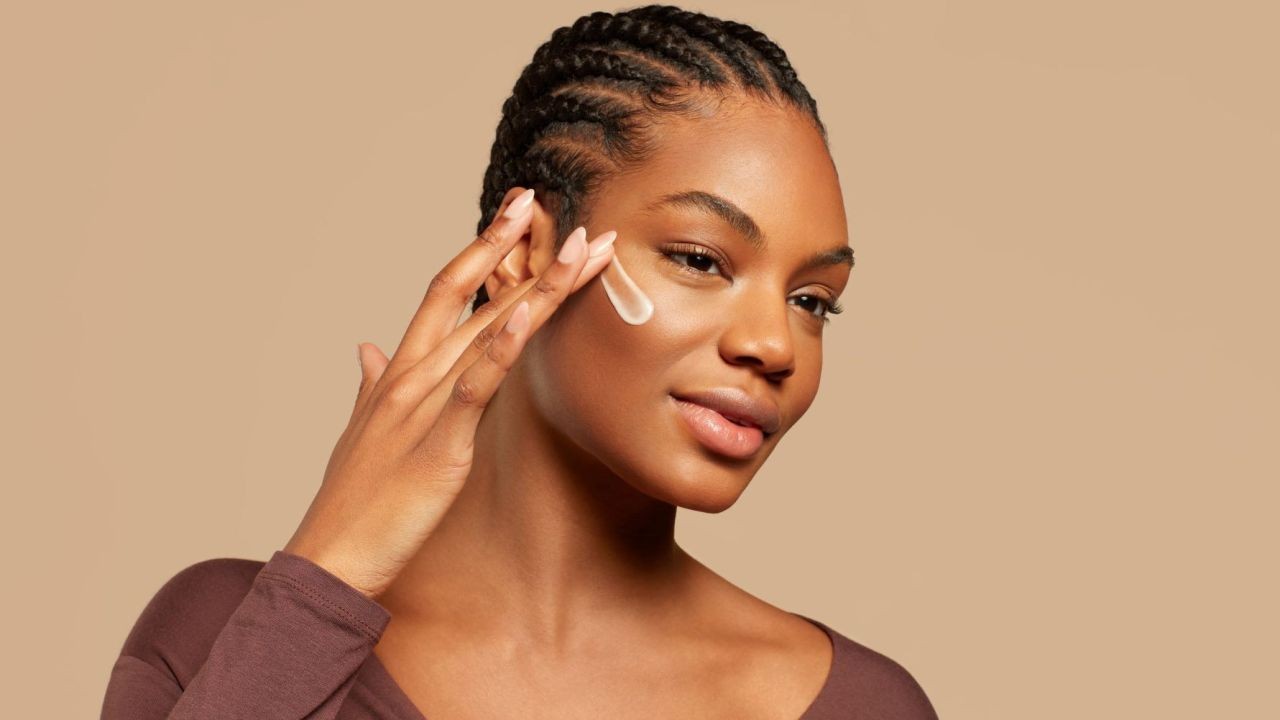
During New Zealand summers, high UV levels and humidity challenge traditional makeup routines. Kiwis often contend with perspiration, skin oiliness, and fading pigments under prolonged sun exposure. Lightweight, breathable foundations and tinted moisturisers with SPF protection become essential, providing coverage without clogging pores.
Water-resistant or long-wear formulas for eye and lip products are recommended, particularly for those participating in outdoor events, festivals, or beach activities common across the country. Setting powders and sprays help maintain longevity without creating a heavy or cakey finish, and colour choices often shift toward brighter, lighter palettes that complement natural summer radiance.
Autumn transitions: adjusting for cooler mornings and warmer afternoons
Autumn in New Zealand is marked by fluctuating temperatures. Morning chills can leave skin dry and tight, while afternoon warmth may increase oil production. Makeup routines must adapt to these swings by layering appropriately. Hydrating primers and moisturisers prepare the skin, while medium-coverage foundations provide flexibility for changing conditions.
Blush and bronzer may be adjusted to maintain warmth and colour in fading light, and lip products with a combination of hydration and pigment ensure comfort without sacrificing style. Autumn also presents an opportunity to experiment with richer tones that complement the season’s palette of natural colours, from deep greens to burnt oranges.
Winter skincare and makeup synergy
Winter poses the greatest challenge for Kiwis seeking a smooth, lasting makeup finish. Low temperatures, wind exposure, and indoor heating can strip moisture from the skin, leading to flakiness and uneven application. Heavy foundations may settle into fine lines, and matte lipsticks can exacerbate dryness.
To counteract these effects, a focus on skincare is essential. Rich moisturisers, hydrating primers, and gentle exfoliation create a smooth canvas for makeup. Cream-based products for blush, bronzer, and eyeshadow often perform better than powders, adding both hydration and subtle luminosity. Lip balms layered under lip colour prevent cracking, while setting sprays with hydrating properties help maintain makeup throughout the day.
Spring makeup: embracing renewal and versatility
Spring brings variable weather across New Zealand, with occasional rain, wind, and sun exposure. Makeup choices must be versatile, balancing durability with lightness. Water-resistant mascaras, flexible foundations, and multi-purpose products that can transition from day to night are particularly effective.
Spring is also a time to reintroduce brighter and pastel shades, reflecting the season’s energy and floral environment. Lightweight sunscreens remain relevant, as UV exposure increases earlier in the season, and products with gentle, nourishing ingredients help skin recover from winter dryness.
Practical tips for year-round adaptation
Regardless of season, some strategies help Kiwis maintain consistent makeup performance:
Understand skin type fluctuations: Monitor how your skin responds to humidity, temperature, and heating to adjust products accordingly.
Invest in multifunctional products: Tinted moisturisers with SPF, cream-to-powder blushes, and hydrating lipsticks reduce the need for frequent changes.
Prioritise skincare as a base: Proper cleansing, exfoliation, and moisturisation significantly improve makeup adherence and appearance.
Layer strategically: Use primers and setting sprays appropriate for seasonal conditions to balance hydration and longevity.
Be mindful of colours: Seasonal palettes can complement natural skin tones and environmental lighting, enhancing overall appearance.
Regional considerations across New Zealand
New Zealand’s geographic diversity means that weather impacts makeup differently depending on location. Northland and Auckland residents may contend with humid subtropical summers, requiring lightweight, sweat-resistant formulations. South Island cities like Christchurch and Dunedin experience cooler temperatures and wind, demanding richer moisturisation and protective products. Coastal areas often face UV exposure and wind simultaneously, necessitating a combination of sun protection and hydration.
By understanding these regional nuances, Kiwis can tailor their routines more precisely, ensuring consistent results regardless of location.
The role of digital resources and tutorials
An increasing number of New Zealanders turn to online beauty tutorials and video guides to navigate seasonal makeup challenges. Parent-focused, professional, and influencer-led content provides practical demonstrations on adjusting routines for humidity, dryness, and temperature shifts. Video tutorials also allow viewers to see real-time product performance, helping them make informed choices about formulation, texture, and application technique.
Looking ahead: innovation in makeup for variable climates
As New Zealanders become more attuned to climate-aware beauty routines, product innovation is likely to follow. Expect continued growth in hydrating, adaptable, and climate-resistant formulations. Hybrid products—combining SPF, hydration, and pigment—will become increasingly popular, as will educational video content focused on seasonal application strategies.
The integration of technology, including augmented reality apps that simulate product performance under different weather conditions, may further support Kiwis in selecting makeup suited to their unique seasonal context.
Case Study: Antipodes – Navigating Seasonal Demands
Problem:
Antipodes, a prominent New Zealand skincare brand, faced the challenge of seasonal sales fluctuations. The company sought to develop products that would meet consumer needs across different seasons while maintaining its commitment to natural ingredients.
Action:
Antipodes introduced a line of products enriched with native ingredients known for their hydrating and protective properties. The brand focused on launching seasonal campaigns that educated consumers about the benefits of each ingredient during specific weather conditions.
Result:
- Sales increased by 30% in winter months due to the popularity of their rich cream formulations.
- Summer product lines experienced a 20% growth, attributed to the inclusion of SPF in their formulations.
- The brand expanded its global reach, with international sales contributing to a 15% revenue increase.
Takeaway:
This case study underscores the importance of product innovation and targeted marketing strategies that align with seasonal consumer behaviors. By leveraging local ingredients and educating consumers, Antipodes has not only stabilized its sales but also enhanced its market position globally.
Pros vs. Cons of Seasonal Adaptation in the Makeup Industry
Pros:
- Increased Sales Potential: Seasonal product lines can drive sales by catering to specific consumer needs, leading to higher overall revenue.
- Brand Loyalty: Offering products that meet seasonal demands can enhance brand loyalty, as consumers appreciate the relevance and effectiveness of the offerings.
- Market Differentiation: Seasonal adaptations allow brands to stand out in a competitive market by showcasing their understanding of local consumer needs.
Cons:
- Increased Production Costs: Developing and marketing seasonal products can require significant investment, impacting profit margins.
- Inventory Management Challenges: Accurately forecasting demand for seasonal products can be difficult, leading to potential overstock or stockouts.
- Environmental Impact: Frequent product launches may contribute to waste, challenging brands to balance innovation with sustainability.
Common Myths & Mistakes
Despite the clear impact of seasonal changes on makeup choices, several myths persist in the industry.
Myth: "Consumers use the same makeup throughout the year."
Reality: Data from Stats NZ shows significant seasonal variation in makeup sales, with different products gaining popularity in different seasons.
Myth: "Seasonal marketing is unnecessary."
Reality: Brands that engage in seasonal marketing see a 15-20% increase in consumer engagement and sales, as reported by NZ Business Insights.
Myth: "Only skincare products need seasonal adaptation."
Reality: Makeup products, such as foundations and lip balms, also require seasonal adjustments to address changes in skin texture and hydration needs.
Future Trends & Predictions
Looking ahead, the New Zealand makeup industry is poised for further evolution as brands continue to adapt to seasonal weather patterns. According to a report by the Ministry of Business, Innovation and Employment (MBIE), the cosmetics industry is expected to grow by 5% annually, driven by increased consumer awareness and demand for natural, adaptable products.
Prediction: By 2028, AI-driven personalization will revolutionize the makeup industry, allowing brands to offer tailored product recommendations based on real-time weather data and individual skin needs.
Conclusion
Understanding the impact of seasonal weather on makeup choices in New Zealand is essential for brands seeking to thrive in this dynamic market. By leveraging local insights and adapting to consumer needs, businesses can not only enhance their market position but also contribute to a more sustainable and innovative industry. As we move forward, embracing technological advancements and sustainability will be key to unlocking new opportunities in the New Zealand cosmetics market.
Are you ready to adapt your strategy to meet the changing demands of New Zealand's beauty industry? Share your thoughts and insights in the comments below!
People Also Ask (FAQ)
How does seasonal weather impact the makeup industry in New Zealand?
Seasonal weather influences consumer preferences, with different products gaining popularity during different times of the year. For instance, lightweight, SPF-infused products are favored in summer, while hydrating formulations are preferred in winter.
What are the biggest misconceptions about seasonal makeup choices?
A common myth is that consumers use the same makeup products year-round. Data from Stats NZ shows significant seasonal variation in makeup sales, indicating a clear shift in consumer preferences.
What are the best strategies for implementing seasonal makeup products?
Experts recommend starting with local ingredient sourcing, followed by targeted seasonal marketing campaigns, and ensuring product adaptability to different climate conditions for long-term success.
Related Search Queries
- New Zealand makeup industry trends
- Seasonal skincare products NZ
- Impact of climate on cosmetics sales
- Natural ingredients in NZ beauty products
- Makeup brands in New Zealand
- Summer makeup trends NZ
- Winter skincare routine NZ
- Climate change and beauty industry
- Personalized beauty products NZ
- AI in cosmetics industry