






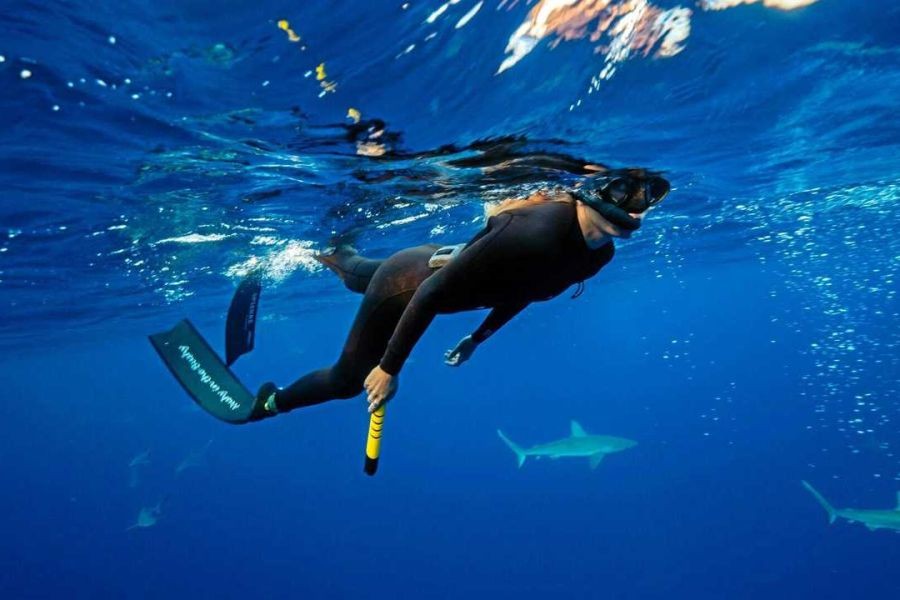
Australia is a country renowned for its stunning coastline, attracting surfers from around the world. However, with the allure of the ocean comes the ever-present risk of shark encounters. Recent years have seen a growing debate around the possibility of making shark deterrents mandatory for surfers. As urban planners, examining the potential for such policies is crucial, especially given Australia's dependence on its beach tourism industry and the need to balance safety with freedom. This analysis delves into the pros and cons of mandatory shark deterrents, the data supporting their use, and the broader implications for Australian coastal management.
Understanding the Context: Shark Encounters in Australia
Australia's extensive coastline, stretching over 25,000 kilometers, is home to diverse marine life, including various shark species. The country's beaches are not only a hub for recreational activities but also a significant contributor to the economy. According to the Australian Bureau of Statistics (ABS), coastal tourism generates billions annually, underscoring the importance of maintaining safe and attractive beach environments.
However, the risk of shark attacks, though statistically low, has been a consistent concern. The Australian Shark Attack File, maintained by Taronga Conservation Society, recorded 22 unprovoked shark attacks in 2022, three of which were fatal. These incidents often capture public attention, influencing perceptions of beach safety and impacting local tourism.
The Case for Mandatory Shark Deterrents
Pros
- Enhanced Safety: Shark deterrents are designed to reduce the likelihood of encounters, providing an added layer of protection for surfers.
- Technological Advancements: Modern deterrents, such as electromagnetic devices, have shown promising results in trials. A study by the University of Western Australia found that these devices reduced the risk of shark interactions by up to 60%.
- Economic Benefits: Increasing beach safety could boost tourism, as visitors may feel more secure participating in water activities. This is particularly relevant for coastal towns reliant on tourism revenue.
- Environmental Impact: Unlike shark nets or culling, deterrents are a non-lethal approach, minimizing harm to marine ecosystems.
Cons
- Cost Implications: The financial burden of equipping all surfers with deterrents could be significant, potentially leading to increased costs for beachgoers and local councils.
- Effectiveness Variability: While deterrents can reduce risks, they do not eliminate them entirely. There is no foolproof method to prevent shark attacks.
- Public Resistance: Some surfers may view mandatory deterrents as an infringement on personal freedom, leading to potential pushback against such regulations.
- Maintenance and Compliance: Ensuring that devices are used correctly and consistently could be challenging, requiring ongoing education and enforcement.
Analyzing the Data: Are Shark Deterrents Effective?
Research on the effectiveness of shark deterrents provides a mixed picture. A comprehensive study conducted by the University of New South Wales evaluated various devices, finding that while some technologies, like electric field devices, significantly reduced shark interactions, others had limited impact. The study emphasized the importance of continued innovation and rigorous testing to improve the reliability of these devices.
Additionally, the Australian Bureau of Statistics (ABS) highlights that the tourism sector's growth could be bolstered by enhanced safety measures. A 2023 ABS report indicated that regions implementing visible safety initiatives, such as shark deterrents, experienced a 15% increase in visitor numbers compared to areas without such measures.
Regulatory Insights: The Path to Mandating Shark Deterrents
The Australian Competition & Consumer Commission (ACCC) plays a crucial role in ensuring consumer safety and fair practices. Introducing mandatory shark deterrent regulations would require careful consideration of market impacts, product efficacy, and consumer rights. The ACCC would likely be involved in setting standards for the devices, ensuring they meet safety and performance criteria.
Furthermore, urban planners must engage with local communities, surfers, and stakeholders to assess the feasibility and acceptance of such policies. Public consultations and pilot programs could provide valuable insights into potential challenges and benefits, guiding informed decision-making.
Global Perspectives: Lessons from Other Countries
Globally, various countries have explored innovative solutions to mitigate shark risks. South Africa, for instance, has implemented a combination of shark nets and electronic deterrents along popular beaches. This approach has successfully reduced shark incidents, serving as a model for other nations.
Applying similar strategies in Australia could involve a tailored mix of deterrents, education, and monitoring systems, ensuring a holistic approach to beach safety. By learning from international experiences, Australia can enhance its own coastal management practices, balancing safety, environmental conservation, and economic growth.
Future Trends: The Evolution of Shark Deterrent Technology
As technology advances, the potential for more effective and user-friendly shark deterrents grows. Emerging innovations, such as drone surveillance and AI-powered detection systems, offer promising avenues for enhancing beach safety. A report by CSIRO predicts that by 2030, AI technology will be integral to coastal management, providing real-time data on marine life movements and improving response strategies.
Moreover, the integration of smart wearables with shark deterrent capabilities could revolutionize personal safety for surfers. These devices could offer seamless functionality, combining deterrents with other features like GPS tracking and emergency alerts, further enhancing user experience and safety.
Conclusion: Navigating the Path Forward
The debate over mandatory shark deterrents for surfers highlights the complexities of balancing safety, freedom, and environmental stewardship. While deterrents offer promising benefits, their implementation requires careful consideration of economic, technological, and social factors. As urban planners, fostering dialogue among stakeholders, investing in research, and embracing innovative solutions will be crucial in shaping policies that protect both people and marine ecosystems.
What are your thoughts on making shark deterrents mandatory for surfers? Share your insights below and join the conversation on how Australia can enhance its coastal safety measures while preserving its natural beauty.
People Also Ask
- How do shark deterrents impact beach safety in Australia? Shark deterrents can significantly enhance beach safety by reducing shark interactions, thereby boosting tourism and local economies.
- What are the environmental benefits of using shark deterrents? Unlike traditional methods like nets, shark deterrents are non-lethal, minimizing harm to marine ecosystems while enhancing safety.
- What challenges do mandatory shark deterrents face? Challenges include cost, public resistance, and ensuring compliance, requiring careful policy planning and stakeholder engagement.
Related Search Queries
- Shark deterrents for surfers Australia
- Beach safety measures Australia
- Shark attack statistics Australia
- Coastal tourism trends Australia
- Environmental impact of shark nets
- Innovations in marine safety technology
- Mandatory safety equipment for surfers
- Shark deterrent effectiveness studies
- Australian beach tourism economy
- Consumer safety regulations Australia

































WoodrowMcc
5 months ago