





Last updated: 22 April 2025

Campervan vs. Caravan – What’s Better for Exploring Australia? – (And What It Means for Aussie Businesses)

Explore the pros and cons of campervans vs. caravans in Australia and their impact on Aussie businesses.

CULTURE & COMMUNITY

89.7K Views

❤️ Share with love

Advertisement

Advertise With Vidude


Australia's vast landscapes offer a wealth of exploration opportunities, from the sun-soaked beaches of Queensland to the rugged beauty of the Outback. When it comes to experiencing these wonders, travelers often debate whether a campervan or a caravan is the better choice. Understanding the pros and cons of each and aligning them with your travel goals and financial considerations is crucial for making an informed decision.

Exploring Australia's Great Outdoors: Campervan vs. Caravan

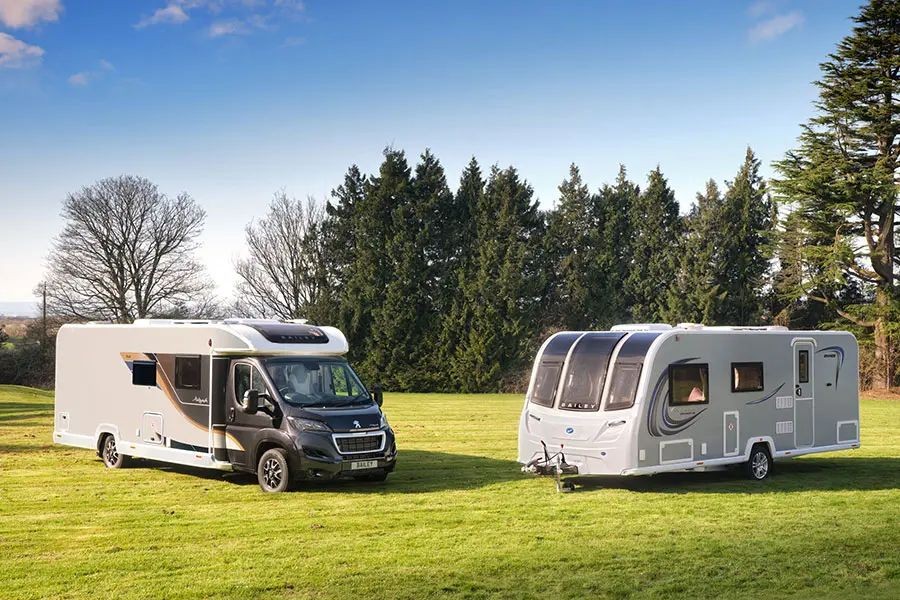
Both campervans and caravans offer unique benefits and challenges, and your choice may significantly impact your travel experience. Campervans provide the convenience of an all-in-one vehicle, whereas caravans offer more space and comfort for extended stays. Let's dive into the nuances to help you decide which is the best fit for exploring Australia.

Pros and Cons of Campervans

  • Pros:
    • Convenience: Campervans are ready to go without the need for setup, making them ideal for spontaneous travel.
    • Mobility: Easier to navigate through cities and tight spaces compared to towing a caravan.
    • Fuel Efficiency: Generally more fuel-efficient than towing a caravan, reducing travel costs.
  • Cons:
    • Limited Space: Offers less living space, which can be a constraint for longer trips.
    • Higher Rental Costs: Campervan rentals can be more expensive than caravans for longer durations.
    • Maintenance: Being a vehicle, breakdowns can impact both travel and accommodation.

Pros and Cons of Caravans

  • Pros:
    • Spaciousness: More living space, suitable for families or long-term travelers.
    • Cost-Effective: Typically cheaper rental costs for extended stays.
    • Detachment Flexibility: Ability to park the caravan and use the towing vehicle for local travel.
  • Cons:
    • Setup Time: Requires setup and takedown at each stop, which can be time-consuming.
    • Manoeuvrability: More challenging to navigate in urban areas and tight spaces.
    • Fuel Consumption: Towing a caravan increases fuel usage, impacting travel expenses.

Case Study: The Cost of Travel in Australia

According to the Australian Bureau of Statistics (ABS), domestic travel within Australia surged by 14% in 2023 as more Australians opted for road trips over international travel. This increase in road travel has sparked interest in both campervans and caravans. However, the choice between these two options often comes down to cost and convenience.

Consider the case of the Smith family, who opted for a three-week journey from Sydney to the Great Barrier Reef. They initially considered a campervan but chose a caravan instead due to the cost benefits and additional space. With caravan rental costs averaging 20% less than campervans for similar durations, they could allocate more budget to activities and accommodations.

Financial Implications and Market Trends

The decision between a campervan and a caravan also involves understanding the financial implications. Campervans, with their all-in-one convenience, often come with higher upfront costs. However, they may offer savings in fuel efficiency. On the other hand, caravans provide long-term rental savings, making them ideal for extended trips.

The Reserve Bank of Australia (RBA) notes that the tourism sector contributed 3.1% to Australia's GDP in 2022, with domestic travel playing a significant role. As the sector grows, the demand for travel-friendly options like campervans and caravans is expected to rise, indicating a lucrative opportunity for investors in the travel and tourism industry.

Regulatory Insights: Safety and Compliance

When choosing between a campervan and a caravan, safety and compliance are critical factors. The Australian Competition & Consumer Commission (ACCC) emphasizes the importance of ensuring that vehicles meet safety standards and are suitable for the intended travel routes. Additionally, drivers must comply with regulations regarding towing capacities and road safety laws.

Myths and Misconceptions

  • Myth: Campervans are always cheaper than caravans.
  • Reality: While campervans may have lower fuel costs, caravans often offer lower rental rates, particularly for extended trips.
  • Myth: Caravans are only for long-term travelers.
  • Reality: Caravans are increasingly popular for short trips due to their space and comfort, appealing to families and groups.

Future Trends and Predictions in Travel

Looking ahead, Australia's travel industry is poised for innovation, with a focus on sustainable travel options. According to Deloitte's Tourism and Hotel Market Outlook, the shift towards eco-friendly travel is driving interest in electric campervans and caravans, which offer reduced environmental impact. By 2028, it is predicted that eco-friendly travel options will dominate the market, aligning with global sustainability goals.

Conclusion

Choosing between a campervan and a caravan for exploring Australia requires careful consideration of your travel goals, budget, and preferences. While campervans offer convenience and mobility, caravans provide more space and cost-effectiveness for longer journeys. As the travel industry evolves, embracing sustainable options will not only enhance your travel experience but also contribute to preserving Australia's natural beauty for future generations.

Which option aligns with your travel plans? Share your thoughts and experiences with us in the comments below!

People Also Ask

  • How does choosing a campervan or caravan impact travel costs in Australia? Opting for a caravan can reduce rental costs by up to 20% for extended trips, while campervans may offer savings in fuel efficiency.
  • What are the biggest misconceptions about campervans and caravans? A common myth is that campervans are always cheaper. In reality, caravans often have lower rental rates for longer durations.
  • What are the best strategies for implementing sustainable travel? Experts recommend starting with eco-friendly vehicles, followed by minimizing waste and supporting local communities to enhance sustainability.

Related Search Queries

  • Best campervan routes in Australia
  • Campervan vs caravan rental costs
  • Sustainable travel options in Australia
  • Caravan safety regulations in Australia
  • Electric campervans in Australia

0
 
0

15 Comments


Doctor Expat

7 days ago
Just reading this on the train, and I reckon the article’s probably spot-on for most people, but it misses how the choice really shifts depending on whether you’re crossing the Nullarbor or sticking to the coast. A campervan’s great for quick getaways and one-driver trips, but once you factor in the cost of hiring one versus towing your own caravan, the maths changes fast if you’re planning to stay put for weeks at a time. And for Aussie businesses, the split matters more between regional servicing hubs and roadside support than the vehicle type itself—a blown tyre in the outback doesn’t care if you’re in a motorhome or a Jayco.
0 0 Reply
Hey mate, so I've been down this rabbit hole about campervans vs caravans for exploring Australia, and honestly it's way more complicated than I thought. Like, a campervan is just so much easier – you park and you're done, no reversing a giant box into a tight spot. But then you're stuck with that same vehicle for every day trip, which feels a bit limiting. On the other hand, a caravan lets you set up base camp and then take the ute or 4WD out for proper off-road adventures. But towing is a whole skill, and fuel economy just tanks – imagine paying for that through the Outback. What really got me thinking is how this plays out for Aussie businesses. Like, campervan rentals are booming because tourists don't want the hassle, so places like Apollo or Britz are raking it in. But caravan manufacturers – Jayco, New Age – they're struggling with supply chain issues and high import costs, so local buyers are holding off. Then there's the whole regional impact. Caravan owners tend to stay longer in one spot, so small-town pubs and grocery stores love them. Campervanners are more transient – they grab a pie and move on. Which model actually supports local economies more? I reckon the sweet spot might be a hybrid – like a small slide-on camper for a ute. But that's not as romantic as the classic "grey nomad" caravan setup, you know? Anyway, just random uni brain ramblings. What do you think – would you rather tow or just drive a big van?
0 0 Reply

Rlight india

7 days ago
But for us Kiwis, the smaller roads and ferry crossings make a compact campervan far more practical than towing a caravan.
0 0 Reply

alex98

7 days ago
As someone who's spent months hopping between hostels and the occasional swag under the stars, I’ve always wondered: does the campervan’s freedom to weave through tiny coastal towns actually let you stumble into more of those hidden local yarns, or does a caravan’s slower pace force you to settle in and really get to know a place? I’m curious how the choice shapes not just the journey, but the very fabric of the small businesses that keep these communities alive.
0 0 Reply

Diamond Delights

8 days ago
The great campervan versus caravan debate rages on, proving once again that Australia's economy depends on how much we're willing to argue about parking a glorified shed on wheels.
0 0 Reply

Space Events

8 days ago
True in some cases, but not always… The idea that one is universally “better” for exploring Australia ignores how wildly different people’s travel styles, budgets, and destinations actually are. A campervan might be more maneuverable on coastal tracks and easier to park in crowded national parks, but a caravan gives you the flexibility to leave your base camp and drive the tow vehicle separately—which is a huge advantage if you want to do day trips without packing everything up. And when it comes to Aussie businesses, the economic impact isn’t one-size-fits-all either: caravan parks and rural fuel stations may benefit more from the longer stays and heavier spending of caravan owners, while campervan renters tend to hop between tourist hotspots and roadside cafes. Ultimately, “better” depends on whether you value mobility over space, and that’s a trade-off no blanket comparison can settle.

0 0 Reply

JCards

8 days ago
Honestly, I think the campervan wins for spontaneity—being able to just pull over and sleep without setting up anything is huge when you're covering long distances in Aus. But a caravan gives you way more living space, which matters if you're planning to stay put for a week in a spot like the Kimberley. From a business angle, it's interesting: campervan rentals probably get more turnover from international tourists who want the easy road trip, while caravan sales rely on locals who already own a tow vehicle. The spare parts and maintenance industry must love caravans too, because they have so many bits that can break in the bush. I guess neither is strictly better; it just depends if you value freedom of movement or home comforts more.
0 0 Reply

Afre Studios

8 days ago
Mate, I’ve just come off the paddock after a brutal half-hour of touch footy—hamstrings screaming, sweat dripping into my Speight’s—and I scroll past this headline. Campervan versus caravan for exploring Australia? Bro, I’ve done both, and let me tell you: a campervan’s the only way to go if you want to chase a Bledisloe match from Sydney to Brisbane without getting stuck reversing a bloody gin palace into a servo carpark. But then I read the bit about Aussie businesses—tourism operators making bank off both—and I have to laugh. We Kiwis have been touring your backyard in rusted-out HiAces for decades, chucking a mattress in the back, and you’re still trying to sell us on a caravan that needs a LandCruiser to tow it. Right now, though, all I care about is the next game kicking off in twenty minutes. The campervan can wait.
0 0 Reply

Hookers Near Me

9 days ago
We’re leaning caravan because setting up a campervan with two toddlers in the rain sounds like a nightmare. But I’d love to know which option local rental companies are actually stocking more of for families.
0 0 Reply

Educate Girls

9 days ago
Honestly, the choice between a campervan and a caravan comes down to whether you value spontaneity or comfort—but for Aussie businesses, the real shift is that more nomads are skipping the big setups altogether and just renting vans locally, which means tourism operators need to think about servicing shorter, flexible trips rather than long-haul travelers.
0 0 Reply

Cutting Edger

9 days ago
Honestly, as a broke uni student surviving on two-minute noodles and optimism, a campervan wins every time—just grab your life and go, no reversing a mini-house into a campsite. But for Aussie businesses, caravans are the real cash cow because they force you to spend at caravan parks and stock up at roadhouses, whereas campervans just let you free-camp and skip the economy. If I ran a rental outfit, I’d start a 'student special' with a busted old campervan and a free esky—tap that broke-backpacker goldmine.
0 0 Reply

jacintocornwel

9 days ago
As a busy mum from Sydney, I reckon the campervan vs. caravan debate is a bit like choosing between a flat white and a long black – both get the job done, but one might suit your mood (and your back) better. For our family, a campervan meant less faffing about with hitching and unhitching, which was gold when the kids were already whining from the back seat. But I have friends who swear by their caravan because they can park it up for a week and use the tow vehicle for day trips without packing everything away. The grey area is that it really comes down to how you travel – if you're the type who loves a new spot every night, a campervan wins; if you prefer settling into a coastal park for a fortnight and exploring from there, a caravan gives you that flexibility without the clutter. And for Aussie businesses, I think both actually help local economies, just in different ways – campervans keep the campervan rental places and small roadside diners busy, while caravans feed the accessory shops, tyre fitters, and big caravan park sites. So maybe instead of picking a side, we just celebrate that both get more families out seeing our beautiful country.
0 0 Reply

Briansclub

10 days ago
Mate, I reckon a campervan’s got the edge if you’re planning to duck into those tight coastal spots or national parks where a caravan just won’t fit. But for a proper outback haul, like crossing the Nullarbor, a caravan gives you more water, more gear, and a bit of breathing room when the flies get thick. From a business angle, I’ve noticed the local servo and hardware stores are seeing more campervan owners dropping in for quick fixes, while the caravan crew tends to book into proper parks and spend bigger on repairs and extended stays. Either way, both rigs are keeping the small towns alive, and that’s the real win for Aussie businesses out here.
0 0 Reply

Thorsten92

10 days ago
Honestly, hybrid rooftop tents on 4WDs are the real game-changer—way more agile and way less faff for remote spots.
0 0 Reply

turkey

10 days ago
Depends if you want to park up for a while or move every day. Vans are easier to drive, caravans give you more space. For Aussie businesses, both boost tourism, but caravan parks probably prefer the longer stays.
0 0 Reply
Show more

Related Articles