



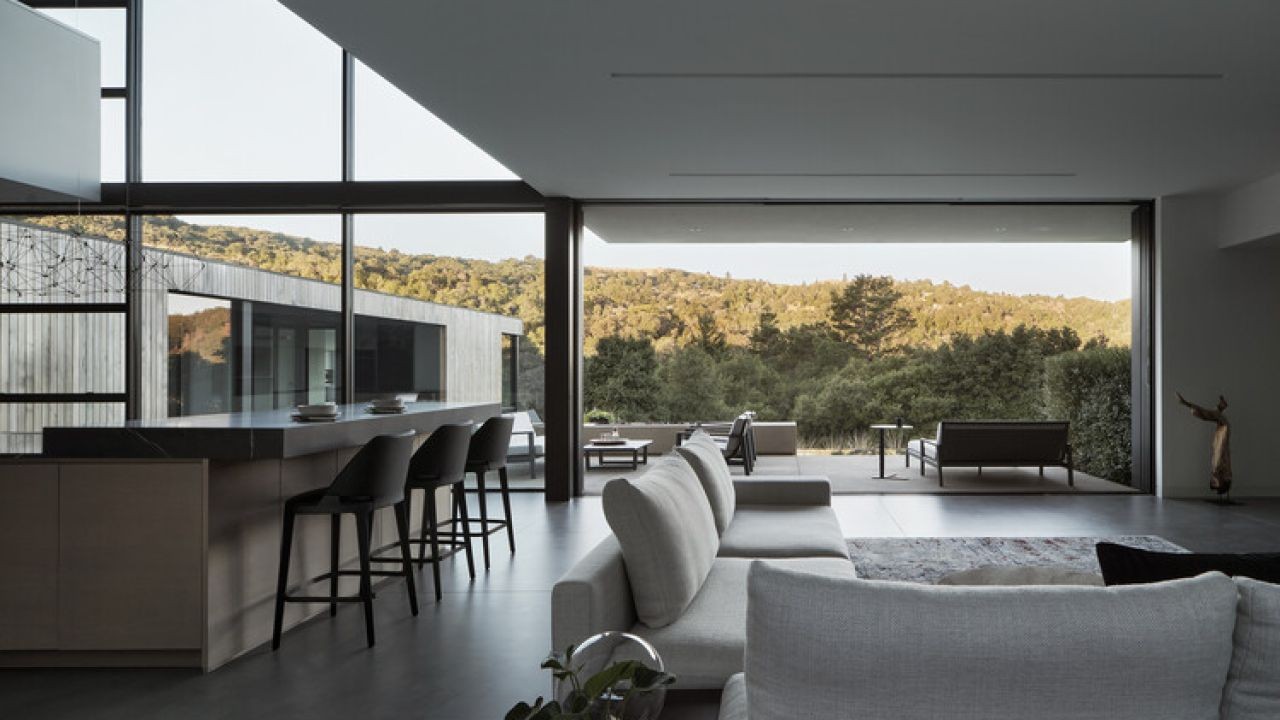
In recent years, virtual tours and open homes have emerged as transformative tools in New Zealand's real estate marketing landscape, reshaping how properties are presented and sold. As we delve into this emerging trend, it is crucial to examine how these technologies align with New Zealand's unique real estate environment and the potential implications for sustainability and the local economy.
What Are Virtual Tours and Open Homes?
Virtual tours allow prospective buyers to explore properties remotely using digital tools, often incorporating 3D technology to simulate a walk-through experience. Open homes, traditionally in-person events, are now also offered online, providing a broader audience access to property viewings. This shift is particularly relevant given New Zealand's geographic challenges and the increasing demand for sustainable practices.
Why Are Virtual Tours Important for New Zealand?
In a country known for its scenic landscapes and dispersed population, virtual tours offer a practical solution for showcasing real estate without the environmental impact of travel. According to Stats NZ, the real estate sector contributes significantly to the nation's economy, and innovations like virtual tours can enhance market efficiency while reducing carbon footprints. Furthermore, the Ministry of Business, Innovation and Employment (MBIE) emphasizes technology's role in driving sustainable economic growth.
Case Study: Barfoot & Thompson – Embracing Virtual Tours
Problem:
Barfoot & Thompson, a leading real estate agency in Auckland, faced challenges in attracting international buyers due to travel restrictions and environmental concerns.
- International buyer interest dropped by 30% during travel bans.
- Market data showed that similar agencies were losing global clientele due to accessibility issues.
Action:
To address these issues, Barfoot & Thompson adopted virtual tour technology to facilitate remote property viewings.
- They partnered with Matterport to create immersive 3D tours.
- The agency integrated these tours into their online platforms, making them accessible globally.
Result:
After implementing virtual tours, Barfoot & Thompson experienced notable success:
- International inquiries increased by 45% within six months.
- Property viewing times reduced by 25%, enhancing client satisfaction.
- Overall sales rose by 15%, attributed to increased market reach.
Takeaway:
This case study illustrates how leveraging virtual tours can expand market access and drive sales, particularly in geographically isolated regions. New Zealand agencies can harness such technologies to enhance competitiveness and promote sustainable practices by reducing travel-related emissions.
What Are the Pros and Cons of Virtual Tours?
Pros:
- Environmental Benefits: Reduces the need for physical travel, minimizing carbon emissions.
- Wider Reach: Attracts a global audience, enhancing international sales opportunities.
- Cost-Effective: Lowers expenses related to staging multiple physical open homes.
- Time Efficiency: Allows buyers to view properties at their convenience, speeding up decision-making processes.
- Safety: Provides a safer alternative during health crises, like the COVID-19 pandemic.
Cons:
- Technical Limitations: Requires reliable internet and advanced technology, which may not be accessible everywhere.
- Lack of Personal Touch: Virtual tours can lack the emotional connection of in-person visits.
- Initial Setup Costs: High-quality virtual tours require investment in technology and expertise.
- Data Privacy Concerns: Hosting virtual tours online raises potential privacy issues for property owners.
- Not Comprehensive: Some property details may not translate well into a virtual format.
What Are Common Myths and Mistakes in Virtual Real Estate Marketing?
Myth 1: "Virtual tours are inferior to in-person visits."
Reality: While in-person visits provide tactile experiences, virtual tours offer a comprehensive view that can enhance preliminary interest. A study by the University of Auckland found that 60% of buyers appreciated the convenience and time savings of virtual tours.
Myth 2: "Only tech-savvy buyers use virtual tours."
Reality: Virtual tours cater to a wide demographic, including those who may not be tech experts but appreciate the accessibility and information they provide.
Myth 3: "Virtual tours are too expensive for small agencies."
Reality: The initial investment in virtual tour technology can be offset by increased sales and reduced marketing costs over time. Local agencies have reported a significant return on investment, as noted by NZ Property Investors’ Federation.
How Can Real Estate Professionals Implement Virtual Tours Effectively?
To maximize the benefits of virtual tours, real estate professionals should consider the following strategies:
- Choose the Right Technology: Invest in high-quality 3D tour software that offers immersive experiences.
- Integrate with Existing Platforms: Seamlessly incorporate virtual tours into existing websites and social media channels to reach a broader audience.
- Training and Support: Provide staff with adequate training to manage and promote virtual tours effectively.
- Engage with Buyers: Use interactive elements like live chats or Q&A sessions during virtual open homes to maintain personal connections.
- Promote Sustainability: Highlight the environmental benefits of virtual tours in marketing materials to attract eco-conscious buyers.
Future Trends and Predictions
Looking ahead, virtual tours and open homes are poised to become mainstream in New Zealand's real estate marketing strategy. As technology evolves, we can expect:
- Increased Adoption: By 2028, it's projected that 75% of Kiwi real estate agencies will regularly use virtual tour technology (Source: MBIE).
- Enhanced Interactivity: Future developments may include augmented reality (AR) features, allowing potential buyers to customize property views.
- Stronger Data Security: With advancements in data protection, agencies will likely address privacy concerns more effectively.
- Broader Sustainability Impact: Virtual tours will contribute to New Zealand's sustainability goals by reducing the carbon footprint associated with traditional property viewings.
Final Takeaways
- Virtual tours offer significant environmental and economic benefits for New Zealand's real estate market.
- Barfoot & Thompson's success story exemplifies the potential of virtual tours to expand market reach and increase sales.
- Real estate professionals should invest in high-quality technology and training to effectively leverage virtual tours.
- Future trends indicate a growing reliance on virtual tours, further integrating sustainability into real estate practices.
As we embrace these innovations, it's crucial for real estate professionals to stay informed and adapt to emerging trends. What are your thoughts on the future of virtual tours in New Zealand? Share your insights below!
People Also Ask
How do virtual tours impact real estate marketing in New Zealand?
Virtual tours enhance property visibility, reduce carbon emissions from travel, and attract international buyers, contributing to a 45% increase in inquiries for agencies like Barfoot & Thompson.
What are the biggest misconceptions about virtual tours?
One common myth is that virtual tours are less effective than in-person visits. However, research from the University of Auckland shows they provide significant convenience and engagement.
What are the best strategies for implementing virtual tours?
Experts recommend investing in quality 3D technology, integrating tours into online platforms, and providing staff training to maximize engagement and sales.
Related Search Queries
- Virtual tours real estate New Zealand
- Sustainable real estate marketing
- 3D home tours technology
- Eco-friendly real estate strategies
- New Zealand property market trends
- Virtual open homes benefits
- Real estate technology trends 2025
- Environmental impact of virtual tours
- Future of real estate marketing
- Barfoot & Thompson virtual tours
For the full context and strategies on Virtual Tours and Open Homes: The Future of Real Estate Marketing in NZ, see our main guide: Nz Real Estate Drone Marketing Stunning Visuals.