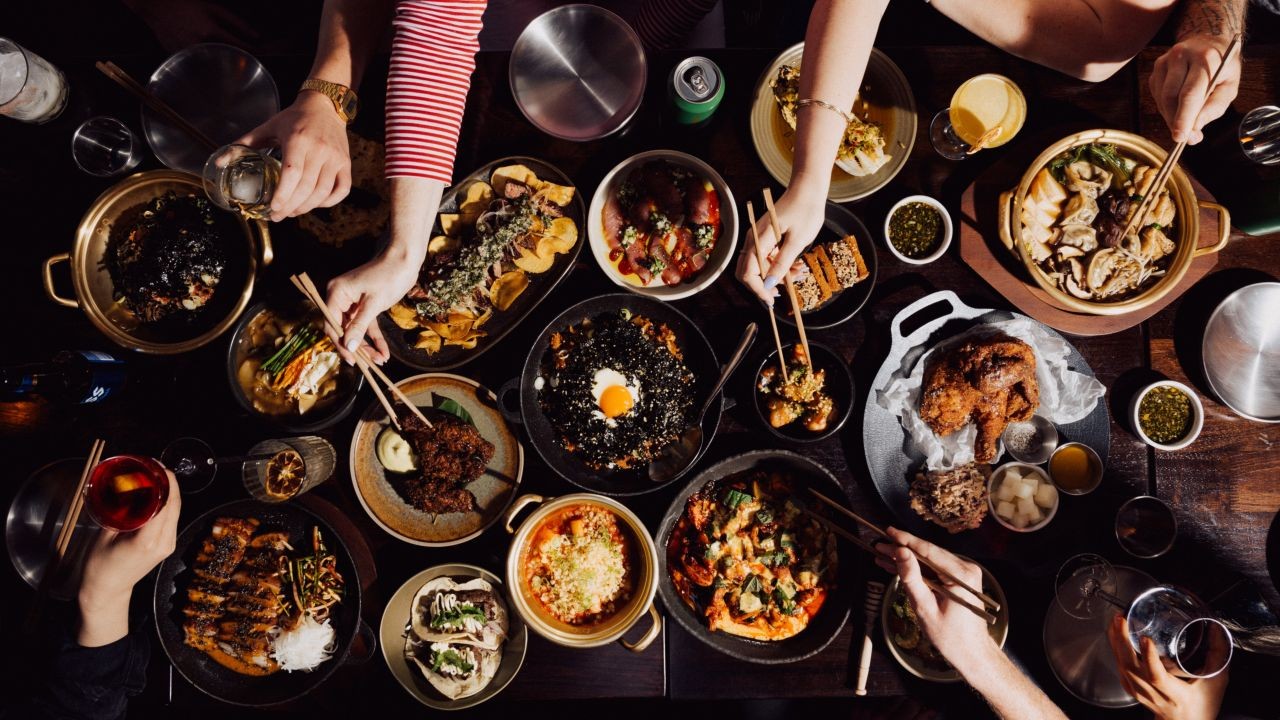






Imagine, for a moment, the world of gastronomy. A truly great restaurant is not merely defined by the exquisite dishes it serves within its own walls, but by its influence on the broader culinary landscape. It mentors young chefs, champions sustainable sourcing that uplifts entire farming communities, and sets standards that elevate the industry for everyone. Its success is measured not just in its own Michelin stars, but in the health of the ecosystem it nurtures. This is the lens through which I view Australia’s potential role on the global stage. We have cultivated a robust, innovative, and prosperous society—a remarkable vintage, if you will. The pressing question is whether we have a responsibility, and indeed the capacity, to share more of that ‘terroir’ with a world facing profound instability. Should Australia uncork its diplomatic, strategic, and humanitarian resources to play a significantly bigger role in global peacekeeping? The answer, much like a complex wine, requires careful tasting notes on its bouquet, body, and finish.
The Case for a More Assertive Pour: Why Australia Should Step Up
Australia is no stranger to the international table. From the halls of the United Nations to coalition operations in our region, we have consistently been a reliable contributor. However, the current global climate—marked by escalating great power rivalry, transnational threats, and a fraying multilateral order—demands a more ambitious vintage. The argument for a larger role is not one of naive idealism, but of clear-eyed national interest and proven capability.
1. Protecting Our Prosperity: The Direct Link to Security
Our economic wellbeing is inextricably linked to global stability. As a trading nation, with international trade constituting over 40% of our GDP according to the Australian Bureau of Statistics, secure sea lanes, stable governments in partner nations, and functioning global rules are the bedrock of our prosperity. Conflict and instability disrupt supply chains, spike energy prices, and close markets. Proactive peacekeeping and conflict prevention are, in essence, a strategic investment in protecting our own economic future. From my observations consulting with Australian agribusinesses and wine exporters, market access is their paramount concern. A shipment delayed by regional instability is a shipment that loses value; a market plunged into conflict is a market lost. Investing in peace is a direct investment in the certainty our exporters crave.
2. A Unique Regional Credibility: The Trusted Neighbour
In the delicate and diverse tapestry of the Indo-Pacific, Australia occupies a unique position. We are not a former colonial power, nor are we perceived as a hegemonic threat in the way larger global powers often are. This affords us a level of trust and accessibility that can be our greatest asset. Our deep, long-standing relationships across the Pacific Islands Forum and ASEAN provide a platform for nuanced diplomacy and conflict mediation that external actors simply cannot replicate. Drawing on my experience supporting Australian companies entering Southeast Asian markets, the consistent feedback is that our brand is associated with fairness, quality, and reliability. This ‘brand Australia’ is a formidable diplomatic currency we should leverage more deliberately in peacebuilding.
3. Building a Deeper Strategic Reserve: Skills and Influence
Consistent, high-level engagement in complex peace operations is the ultimate training ground for our diplomatic, defence, and aid personnel. It builds an institutional depth of experience in negotiation, civil-military coordination, and post-conflict reconstruction that is impossible to simulate. This expertise not only makes our contributions more effective but also amplifies our voice in international forums. It transforms Australia from a mere participant into a thought leader and standard-setter in global security. The skills honed in stabilising a province abroad directly enhance our capacity to manage complex crises closer to home, from natural disasters to regional tensions.
Assessing the Vintage: Potential Costs and Strategic Errors
However, no critic worth their salt would praise a wine without acknowledging its potential flaws or the risks of poor storage. Expanding our peacekeeping role is not without significant costs and potential pitfalls. A misstep here could see our finest intentions turn to vinegar.
1. The Resource Dilution Dilemma
The most immediate concern is the strain on our Australian Defence Force (ADF) and federal budget. Peacekeeping is a long-term, resource-intensive commitment. The Department of Defence’s 2023 Strategic Review already highlighted the pressing need to focus on the ADF’s core mission of defending Australia and its immediate interests in an increasingly contested region. Diverting significant, sustained personnel and matériel to missions far from our primary area of strategic concern could be seen as weakening our own direct defence posture. It’s a delicate balancing act—like a restaurateur deciding whether to open a second location; the potential for greater influence is tempting, but overextension risks compromising the quality and security of the original establishment.
2. The Sovereignty and "Forever Mission" Trap
Modern peacekeeping is rarely a simple case of interposing troops between two defined armies. Today’s conflicts are often intra-state, involving non-state actors, ethnic divisions, and governance failures. Missions can quickly become open-ended nation-building exercises with no clear exit strategy. Australia must be acutely wary of missions that could inadvertently draw us into protracted conflicts or see us shouldering the burden for the failures of local political elites. The goal must always be to create the conditions for sustainable local peace, not to create a permanent dependency. This requires a level of political and cultural discernment that is exceptionally difficult to maintain over decades.
3. Where Most Brands Go Wrong: The "Set and Forget" Fallacy
A common and costly strategic error, observable in many international interventions, is what I call the ‘set and forget’ approach. This is the belief that deploying troops or brokering a ceasefire is the end of the work. In reality, it is merely the first step. True, lasting peace requires a decades-long commitment to the unglamorous, post-conflict work: building judicial systems, supporting independent media, de-mining, and fostering economic opportunity. Based on my work with Australian SMEs involved in international development, the most successful projects are those built on long-term partnerships, not short-term deliverables. Australia must avoid the allure of the dramatic initial deployment without a fully costed, bipartisan commitment to the long, hard, and expensive road of peacebuilding that follows. A mission that ends with a power vacuum is a mission that has failed.
A Balanced Pairing: A Pragmatic and Principles-Based Model
So, how does Australia navigate this? We must craft an approach that is both principled and pragmatic, pairing our values with our interests as expertly as one pairs a wine with a dish. The answer lies not in a blanket increase in commitments, but in a smarter, more focused, and innovative model.
The "Australian Model" could focus on three key pillars:
- Niche Excellence: Rather than trying to be everywhere, Australia should specialise in areas where we have a demonstrable comparative advantage. This includes maritime security in the Pacific, policing and civilian capacity building (leveraging the expertise of our state and federal police), cyber conflict mediation, and women, peace and security initiatives. We should be the global ‘go-to’ for these specific skill sets.
- The Tech-Enabled Peacekeeper: Australia’s strength in agri-tech, fintech, and remote sensing can be revolutionary in peacekeeping. Imagine deploying drought-resistant seed technology to stabilise a conflict region’s food security, or using our world-class satellite analytics to monitor ceasefires and displacement. This is innovation with profound humanitarian impact. Having worked with multiple Australian startups in the ag-tech space, I’ve seen firsthand how their solutions can transform livelihoods. Applying this ingenuity to post-conflict recovery is a powerful, non-kinetic tool.
- The Coalition Connoisseur: We should act as a force multiplier and a trusted bridge. This means deepening our role within UN-sanctioned missions but also leading and shaping smaller, agile regional coalitions with partners like Japan, India, and South Korea. Our goal should be to blend the best capabilities of the region into a cohesive and effective force, much like a master winemaker blends varietals to create a superior cuvée.
The Future of Global Stewardship: Australia's Role on the World's Stage
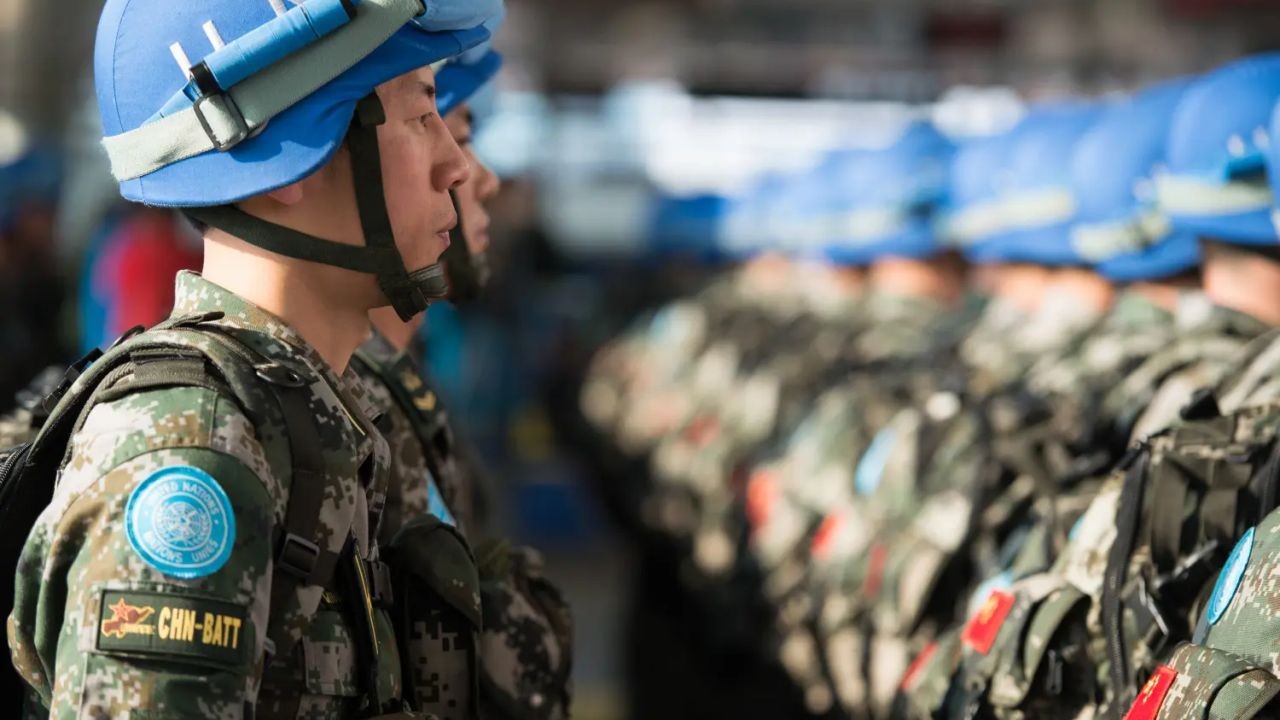
Looking ahead, the trends are clear. Climate change will be the dominant driver of future conflict, creating resource scarcity and displacement. The geopolitical contest between major powers will create more proxy conflicts and fragile states. In this world, middle powers like Australia with credibility, capability, and a commitment to the rules-based order will be more essential than ever. By 2030, I predict the most effective peacekeeping will be a hybrid model: part traditional ‘blue helmet’ presence, part technological monitoring, and part deep, localised civil society partnership funded through innovative finance mechanisms. Australia is uniquely positioned to pioneer this model.
The final takeaway is this: Australia’s security and prosperity are no longer guaranteed by geography alone. They are cultivated through active, intelligent engagement in shaping a stable world. Playing a bigger role in global peacekeeping is not an act of charity; it is an act of enlightened self-interest. It is about ensuring the global ‘restaurant’ in which we dine remains secure, functional, and conducive to the exchange of goods, ideas, and culture that has made our own national success possible. We have the vintage, the expertise, and the standing. The question is whether we have the collective will to pour a more generous glass for a world that desperately needs it.
People Also Ask
What are the biggest benefits for Australia in increased peacekeeping? The primary benefits are enhanced economic security through stable trade routes, deeper regional trust and influence that deters conflict nearer to home, and the development of unparalleled diplomatic and defence expertise within our national institutions, making us more resilient to all forms of crisis.
Doesn't this distract from defending Australia itself? It can, if managed poorly. The key is a focused, niche-driven approach that complements our core defence strategy. Expertise gained in complex overseas operations, particularly in our region, directly enhances the ADF's adaptability and strategic understanding, ultimately contributing to a more capable overall defence force.
How can Australian businesses be involved? Beyond defence contractors, there is huge potential for Australian SMEs in agri-tech, engineering, remote infrastructure, cybersecurity, and training to contribute to post-conflict reconstruction and stability. Government should create pathways for this, viewing peacebuilding as an ecosystem that includes private sector innovation.
Related Search Queries
- Australia UN peacekeeping contributions 2024
- Cost of Australian peacekeeping missions
- ADF role in Pacific security
- Benefits of peacekeeping for trade
- Australia foreign aid and conflict prevention
- Women peace and security Australia
- Cyber peacekeeping initiatives
- Australian Federal Police international missions
- Climate change and conflict in the Pacific
- Middle power diplomacy Australia
For the full context and strategies on Should Australia Play a Bigger Role in Global Peacekeeping? – Is It Australia’s Next Big Thing?, see our main guide: Construction Project Videos Australia.