






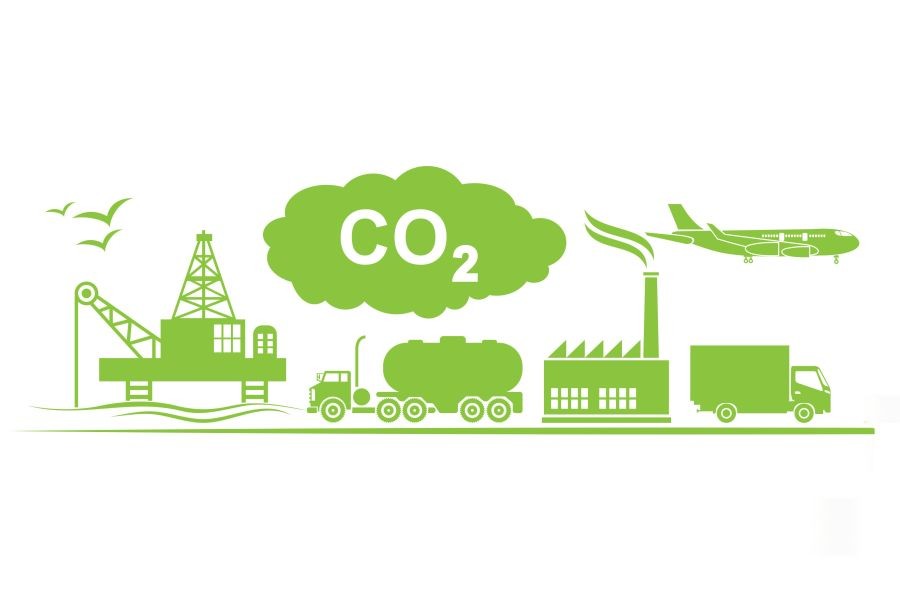
Amidst the serene landscapes of New Zealand, a significant threat looms large: climate change. As global temperatures rise, New Zealand is not immune to these changes, which pose potential risks to its economy, environment, and way of life. Jamie Morton’s analysis of three pivotal climate figures serves as a stark reminder of the challenges ahead. Let’s delve into these figures and explore their implications for New Zealand, backed by data and expert insights.
The First Figure: Carbon Emissions on the Rise
Globally, carbon emissions have been surging, with the latest data showing a troubling increase of over 2.1% year-over-year (Source: IPCC 2023). New Zealand, despite its relatively small population, contributes to this with a per capita CO2 emission rate of 7.7 tonnes, surpassing the global average of 4.8 tonnes (Source: Stats NZ). This is mainly due to the country’s reliance on agriculture, transport, and energy sectors.
Case Study: Fonterra’s Path to Sustainability
Fonterra, the largest dairy exporter in New Zealand, faced immense pressure to reduce its carbon footprint. The company’s reliance on coal for its milk processing plants contributed significantly to emissions. In response, Fonterra committed to phasing out coal use by 2037, aiming for a 30% reduction in absolute emissions by 2030.
By switching to renewable energy sources and implementing energy-efficient practices, Fonterra achieved a 13% reduction in its operational emissions within the first three years. As a result, the company not only improved its environmental impact but also boosted its brand reputation globally, showcasing how sustainable practices can be both economically viable and essential.
The Second Figure: Sea Level Rise and its Implications
According to the National Institute of Water and Atmospheric Research (NIWA), New Zealand’s sea levels are rising at an average rate of 3.4 millimeters per year. While this might seem negligible, the cumulative impact over decades poses significant risks to coastal communities and infrastructure.
- Impact on Coastal Properties: Real estate near coastlines faces increasing risk, with potential devaluation due to flooding threats.
- Infrastructure Challenges: Roads, bridges, and utilities near coastlines may require costly adaptations or relocations.
- Environmental Concerns: Rising sea levels threaten native wildlife and ecosystems, necessitating conservation efforts.
Data Insight: Economic Implications
The Reserve Bank of New Zealand has highlighted that climate change, including rising sea levels, could lead to a 10% decrease in property values in vulnerable areas by 2030. This underscores the need for strategic urban planning and investment in resilient infrastructure.
The Third Figure: Temperature Anomalies
New Zealand has experienced a significant increase in temperature anomalies, with average annual temperatures rising by 1.1°C since 1909 (Source: NIWA). This warming trend exacerbates drought conditions, affecting agriculture—a cornerstone of the Kiwi economy.
Case Study: Hawke’s Bay Drought Management
Hawke’s Bay, a region heavily reliant on agriculture, faced severe droughts, impacting crop yields and livestock. In response, the local government implemented advanced irrigation systems and drought-resistant crop varieties, resulting in a 20% increase in yield resilience during drought conditions.
This proactive approach not only safeguarded the region’s agricultural output but also provided a model for other areas facing similar challenges.
Myths vs. Reality: Common Misconceptions About Climate Change in New Zealand
- Myth: “New Zealand is too small to impact global climate change.”Reality: While small in size, New Zealand’s emissions per capita are significant, making local efforts crucial in the global context.
- Myth: “Climate change only affects coastal areas.”Reality: Inland areas face challenges like drought, impacting agriculture and water supply.
- Myth: “Technology alone can solve climate issues.”Reality: Technology is vital, but comprehensive policy changes and lifestyle adjustments are equally important for long-term impact.
Future Trends & Predictions: Navigating the Path Forward
By 2030, it is predicted that over 50% of New Zealand’s energy will be sourced from renewables, driven by government incentives and technological advancements (Source: MBIE). This transition not only aligns with global climate goals but also offers economic opportunities in green technology sectors.
Furthermore, as climate awareness grows, businesses investing in sustainability are likely to see increased consumer support and investment, creating a competitive edge.
Final Takeaways
- Carbon emissions are a critical challenge, requiring both policy and individual action.
- Sea-level rise demands proactive infrastructure planning and community resilience strategies.
- Temperature changes necessitate innovation in agriculture and water management.
- Myths about climate change can hinder progress if not addressed with factual insights.
- Sustainability offers not just environmental benefits but also economic opportunities.
What’s your take on these climate realities? How do you think New Zealand can further innovate to tackle these challenges? Share your thoughts below!
People Also Ask (FAQ)
- How does climate change impact New Zealand’s economy? Climate change affects agriculture, infrastructure, and property values, potentially reducing GDP growth by 1-2% annually (Source: Reserve Bank of NZ).
- What are the best strategies for combating climate change in New Zealand? Experts recommend increasing renewable energy use, investing in sustainable agriculture, and enhancing community awareness and adaptation measures.
- What upcoming changes in New Zealand could affect climate policy? By 2026, new government policies are expected to enforce stricter emissions standards, impacting industries and incentivizing green technology adoption.
Related Search Queries
- New Zealand climate change policy
- Impact of sea-level rise on NZ real estate
- Sustainable agriculture practices in New Zealand
- Renewable energy trends in New Zealand
- New Zealand carbon emissions statistics
- Climate change effects on NZ wildlife
- NZ government climate initiatives
- Green technology investment in New Zealand
- NZ water management strategies
- Future of agriculture in New Zealand

































Elite Promo UK Ltd
3 months ago