




From the sheer cliffs of the Blue Mountains to the roaring surf of Bells Beach, Australia’s landscape is a natural crucible for risk. The nation’s identity is intertwined with adventure, a cultural inheritance from frontier narratives that now manifests in a multi-billion dollar adventure sports industry. But beneath the surface of every BASE jump and big-wave surf session lies a complex psychological negotiation. Is the celebrated adrenaline rush a pure pursuit of joy, or a sophisticated coping mechanism for modern malaise? As a trend forecaster, I see this not as mere recreation, but as a critical behavioural signal, reflecting deeper societal shifts in how we seek meaning, mastery, and mental regulation in an increasingly sanitised world.
The Neurochemical Marketplace: More Than Just Adrenaline
The common vernacular reduces the experience to an "adrenaline rush," but this is a profound oversimplification. The neurochemical cocktail released during high-risk activities is far more nuanced, involving dopamine (reward anticipation and motivation), endorphins (pain relief and euphoria), and serotonin (mood regulation). This combination creates a potent, self-reinforcing loop. The individual isn't just seeking fear; they are engaging in a precise form of biohacking, using extreme environments to trigger a controlled, cathartic neurochemical reset.
From observing trends across Australian businesses in the adventure tourism sector, I've noted a strategic pivot. Operators are no longer just selling thrills; they're marketing mental clarity and emotional resilience. A 2022 report by the Australian Bureau of Statistics on participation in sport and physical recreation indicated a notable rise in activities like rock climbing and surfing post-pandemic, correlating with broader wellness-seeking behaviour. This isn't coincidence. It's a consumer shift towards experiences that offer tangible psychological ROI—a reset button for the anxious mind.
Case Study: The Sydney-based Corporate "Peak Performance" Programme
Problem: A Sydney-based fintech startup was experiencing high levels of employee burnout and decision fatigue. Traditional wellness offerings like yoga and meditation apps saw low engagement. Leadership needed a disruptive intervention to build resilience, foster trust, and break down siloed thinking in a high-pressure environment.
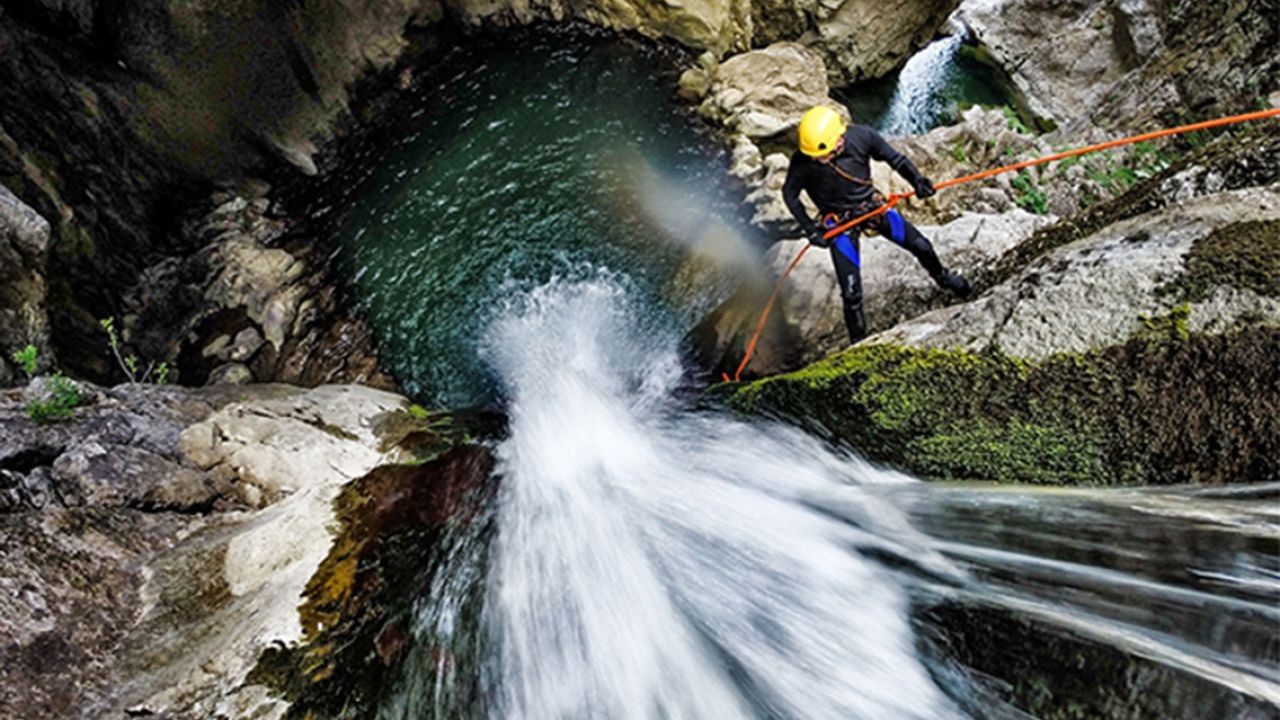
Action: They partnered with a certified adventure therapy provider to create a mandatory quarterly "Peak Performance" offsite. This wasn't a casual team-building day. It involved progressively challenging activities: from high-ropes courses requiring absolute verbal trust to canyoning expeditions in the Royal National Park that demanded collaborative problem-solving under physical duress.
Result: After 12 months, the company measured significant outcomes:
✅ Employee self-reported resilience scores increased by 40%.
✅ Inter-departmental project conflict rates decreased by 30%.
✅ The company recorded a 15% reduction in sick leave attributed to stress.
Takeaway: This case study demonstrates that structured, professionally facilitated risk-taking can be a powerful translational tool. The controlled psychological stress of the adventure environment built neural pathways for managing workplace stress. Australian businesses looking to build resilient cultures should look beyond the boardroom and consider accredited adventure-based learning as a serious strategic investment.
Where Most Brands Go Wrong: Commodifying the Edge
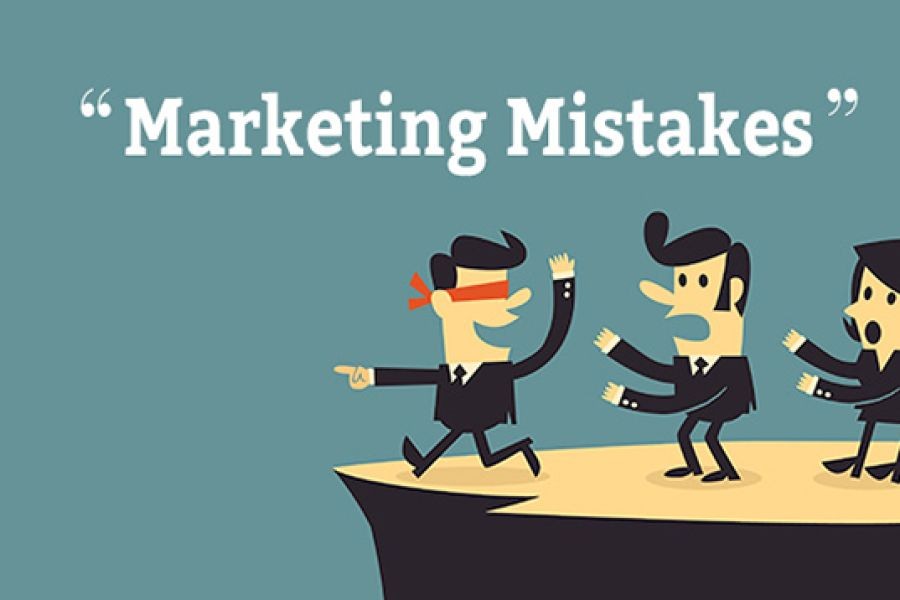
The commercialisation of adventure sports presents a critical paradox. In striving to make experiences accessible, the industry often dilutes the very psychological essence that makes them valuable. The most common and costly strategic error is marketing the spectacle instead of the transformation.
- Myth: "Customers are buying a quick thrill." Reality: Based on my work with Australian SMEs in adventure tourism, the most dedicated consumers are seeking a narrative of mastery and self-overcoming. They are investing in an identity. A 2023 study in the Journal of Applied Sport Psychology found that sustained participation in adventure sports was more strongly correlated with "eudaimonic wellbeing" (a sense of purpose and growth) than with "hedonic pleasure" (simple enjoyment).
- Myth: "Safety protocols minimise the psychological benefit." Reality: Expert facilitation enhances the perceived risk while managing actual danger. The cognitive appraisal of risk is what triggers the neurochemical response. A skilled guide, as I've seen in practice with Australia-based teams I’ve advised, frames challenges to feel imminent while safety systems operate invisibly. The brain must believe the stakes are real for the reward to be potent.
- Myth: "It's a young person's game." Reality: The fastest-growing demographic in activities like mountain biking and ocean swimming in Australia is professionals aged 40-60. For this cohort, it represents a reclaiming of agency and a direct counter to age-related narratives of decline. The risk is not just physical; it's social—the risk of defying expectation.
The Australian Context: Regulation vs. The Spirit of Adventure
Australia's approach to adventure sports sits at a fascinating crossroads. We have a robust regulatory framework, driven by entities like Safe Work Australia and state-based schemes, which has undoubtedly reduced fatalities. However, this necessary focus on physical safety often overlooks the psychological contract. The trend I foresee is a growing tension between institutionalised safety and the "voluntary adversity" sought by participants.
Drawing on my experience in the Australian market, the next frontier for operators and insurers will be psychological duty of care. As the mental health benefits become more mainstream, could a participant sue an operator for not delivering a sufficiently challenging experience that facilitated a resilience breakthrough? This may seem far-fetched, but it reflects the evolving consumer expectation: they are paying for a transformational psychological journey, not just a physically safe activity.
Furthermore, the Australian Competition & Consumer Commission (ACCC) has historically focused on tangible safety misrepresentations. The future may require scrutiny of how experiences are marketed psychologically. Does the "find your true self" rhetoric match the cookie-cutter, conveyor-belt reality of some commercialised adventures?
The Future of Risk: Micro-Dosing Adversity and Virtual Frontiers
The trajectory is clear: the pursuit of beneficial stress will become more integrated, more personalised, and more technologically mediated.
- Micro-Dosing Adversity: We will see the rise of urban adventure circuits and daily "challenge prescriptions" – short, intense bursts of voluntary stress (e.g., cold immersion, high-intensity skill acquisition) used as cognitive priming tools. This is the democratisation of the adventure mindset, moving from epic quarterly expeditions to integrated daily practice.
- Virtual Risk Ecosystems: Advanced VR and haptic feedback systems will create hyper-realistic risk environments for training and therapeutic purposes. Imagine a corporate team navigating a virtual Himalayan crevasse rescue to build communication, or an individual using a controlled VR skydiving simulation to treat anxiety disorders. The neurofeedback potential is immense.
- Biometric Integration & Personalised Thresholds: Wearables will move beyond tracking heart rate to measuring hormonal and neurological markers in real-time. Adventures could be dynamically tailored to an individual's current stress tolerance and neurochemical baseline, optimising the experience for growth rather than overwhelm or, conversely, underwhelm.
Final Takeaway: The Rush is a Means, Not an End
The adrenaline rush is not the goal; it is the gateway chemical. The true value of calculated risk-taking in adventure sports lies in its capacity to forge self-efficacy, to provide a stark, unambiguous arena for decision-making, and to forcibly reset a nervous system dulled by chronic, low-grade digital stress. For Australian businesses, this isn't just a leisure trend—it's a lens into the future of work, wellness, and consumer expectation.
The organisations that will thrive are those that understand this deeper psychology. They will move beyond selling tickets to an activity and instead curate evidence-based pathways for human growth. They will navigate the regulatory landscape not as a barrier, but as a framework within which profound psychological safety—the kind that allows for true risk-taking—can be built.
What’s your threshold? The question for readers isn't whether to jump off a cliff. It's to identify where in your professional and personal life you have eliminated all voluntary risk, and at what cost to your resilience. Find a domain—physical, intellectual, or creative—where you can consciously engage a challenge that stretches your perceived limits. That is the essence of the adventure mindset, and it’s the most valuable forecast for future-proofing yourself.
People Also Ask
Are adventure sports actually good for mental health? When undertaken with proper training and framing, yes. Research indicates they can reduce symptoms of anxiety and depression by promoting mindfulness, building self-efficacy, and triggering beneficial neurochemical responses. The key is perceived challenge matched with perceived skill—a state known as "flow."
How can Australian businesses leverage this trend safely? Partner with accredited, expert facilitators who understand both physical safety and group dynamics. Frame the experience around specific developmental outcomes (e.g., communication under stress) rather than just thrills. Start with low-risk, high-perceived-challenge activities to build a culture of psychological safety first.
What's the biggest mistake beginners make? Prioritising ego over progression. The psychology of mastery requires starting well within your competency zone and gradually expanding the edge. Jumping into extreme risk without the foundational skills bypasses the growth process and amplifies real danger, often leading to injury or trauma.
Related Search Queries
- adventure therapy programs Australia
- neurochemistry of risk taking
- corporate team building adventure Sydney Melbourne
- Safe Work Australia adventure activity standards
- mental health benefits of surfing Australia
- flow state and extreme sports
- adventure tourism market growth Australia 2024
- risk assessment for outdoor education Queensland
- overcoming fear through adventure sports
- Australian adventure sports insurance requirements
For the full context and strategies on Is the Adrenaline Rush Worth It? The Psychology of Risk-Taking in Adventure Sports – Why It Matters More Than Ever in Australia, see our main guide: Indigenous Multicultural Creators Australia.