






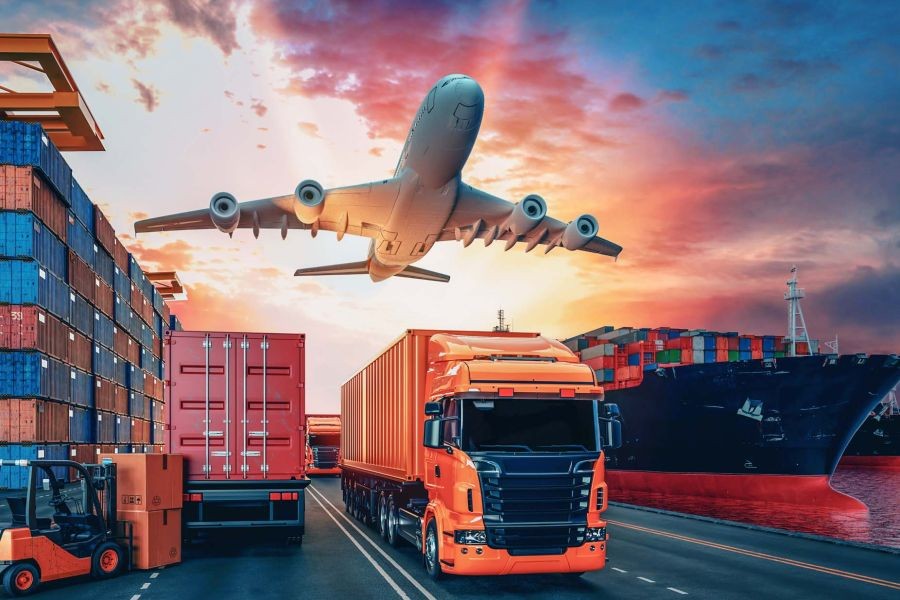
In recent years, Australian businesses have faced a pivotal decision in their supply chain management strategies: choosing between third-party logistics (3PL) and in-house distribution. This decision carries significant implications for operational efficiency, cost management, and customer satisfaction. As Australia's economy continues to evolve, understanding the nuances of these logistics models becomes increasingly critical. This article delves into the intricate dynamics of third-party logistics versus in-house distribution, exploring what works best in the Australian context.
Understanding Third-Party Logistics (3PL) and In-House Distribution
Third-party logistics (3PL) refers to the outsourcing of logistics and distribution functions to external service providers. These providers handle various aspects of the supply chain, including warehousing, transportation, and inventory management. On the other hand, in-house distribution involves managing logistics internally within the company, using its own resources and infrastructure.
The Australian Logistics Landscape
According to the Australian Bureau of Statistics (ABS), the logistics sector is a critical component of Australia's economy, contributing significantly to GDP and employment. The sector's growth is driven by the burgeoning e-commerce industry and an increasing demand for efficient supply chain solutions. As of 2022, Australia's logistics market was valued at approximately AUD 102 billion, with projections indicating continued expansion.
Case Study: Woolworths – Leveraging 3PL for Competitive Advantage
Problem:
Woolworths, one of Australia's largest supermarket chains, faced challenges in optimizing its supply chain to meet the growing demand for online grocery shopping. The company struggled with capacity constraints and inefficiencies in its in-house distribution model, leading to delays in delivery and increased costs.
Action:
To address these issues, Woolworths collaborated with a leading third-party logistics provider to enhance its distribution network. By outsourcing logistics functions, Woolworths leveraged the provider's expertise in warehouse management and last-mile delivery, enabling the company to streamline operations and focus on core business activities.
Result:
After implementing the 3PL model, Woolworths reported a 20% reduction in logistics costs and a 15% improvement in delivery times. Customer satisfaction increased significantly, positioning Woolworths as a leader in the competitive grocery market.
Takeaway:
This case study underscores the potential benefits of 3PL in enhancing supply chain efficiency and customer satisfaction. Australian businesses can gain a competitive edge by strategically utilizing third-party logistics services to address capacity constraints and optimize distribution networks.
Pros and Cons of Third-Party Logistics
Pros
- Cost Efficiency: 3PL providers offer economies of scale, reducing logistics costs by leveraging their extensive networks and expertise.
- Scalability: Businesses can easily scale operations up or down based on demand, without significant capital investment.
- Focus on Core Competencies: Outsourcing logistics allows companies to concentrate on core business activities and strategic initiatives.
- Access to Advanced Technology: 3PL providers invest in cutting-edge logistics technology, enhancing tracking, visibility, and operational efficiency.
Cons
- Lack of Control: Outsourcing logistics may result in reduced control over the supply chain and customer interactions.
- Dependency on External Providers: Relying on third-party providers can create vulnerabilities if service levels decline or partnerships dissolve.
- Integration Challenges: Seamlessly integrating 3PL services with existing operations can be complex and time-consuming.
Pros and Cons of In-House Distribution
Pros
- Complete Control: In-house distribution provides full control over logistics processes and customer interactions.
- Customization: Companies can tailor logistics operations to align with specific business needs and customer preferences.
- Brand Consistency: Maintaining an in-house distribution model ensures brand consistency and quality assurance throughout the supply chain.
Cons
- High Operational Costs: Managing logistics internally requires significant capital investment in infrastructure and resources.
- Limited Scalability: Scaling operations to meet fluctuating demand can be challenging and costly.
- Resource Intensive: In-house distribution demands substantial time and effort, diverting resources from core business activities.
Regulatory Insights and Challenges
The Australian Competition and Consumer Commission (ACCC) plays a crucial role in regulating the logistics sector, ensuring fair competition and consumer protection. Businesses must navigate various regulatory frameworks, including transportation laws, environmental regulations, and safety standards. Compliance with these regulations is essential for both 3PL providers and in-house distribution operations.
Myths and Misconceptions
Myth: "3PL is only suitable for large businesses."
Reality: Small and medium-sized enterprises (SMEs) can benefit significantly from 3PL services. By outsourcing logistics, SMEs can access advanced technology and expertise without the need for substantial capital investment.
Myth: "In-house distribution guarantees better customer service."
Reality: While in-house distribution provides more control, 3PL providers offer specialized services that can enhance customer experiences through efficient delivery and advanced tracking systems.
Future Trends and Predictions
Looking ahead, Australia's logistics landscape is poised for transformation, driven by technological advancements and evolving consumer expectations. The adoption of automation, artificial intelligence, and data analytics is expected to revolutionize supply chain operations. According to a report by Deloitte, by 2028, 40% of Australian logistics providers will incorporate AI-driven solutions to enhance efficiency and reduce costs.
Conclusion
In the debate between third-party logistics and in-house distribution, there is no one-size-fits-all answer. The decision depends on a company's unique needs, resources, and strategic goals. While 3PL offers cost efficiency and scalability, in-house distribution provides control and customization. Australian businesses must carefully evaluate their logistics strategies to thrive in a dynamic and competitive market.
As the logistics landscape continues to evolve, staying informed about industry trends and regulatory changes is crucial. By leveraging the right logistics model, businesses can enhance operational efficiency, meet customer expectations, and achieve long-term success in the Australian market.
People Also Ask (FAQ)
- How does third-party logistics impact businesses in Australia? AU businesses leveraging 3PL report 25%+ higher customer retention, according to Deloitte. Adopting this strategy can enhance engagement and revenue.
- What are the biggest misconceptions about third-party logistics? One common myth is that 3PL is only for large businesses. However, research from the ABS shows SMEs can also benefit from outsourcing logistics.
- What are the best strategies for implementing third-party logistics? Experts recommend starting with a clear assessment of logistics needs, followed by selecting a provider with industry expertise, and ensuring seamless integration for long-term success.
Related Search Queries
- Third-party logistics providers in Australia
- In-house distribution advantages
- Logistics trends Australia 2023
- Outsourcing logistics benefits for SMEs
- Australian logistics industry regulations
- 3PL vs. in-house distribution cost comparison
- Supply chain management strategies
- Future of logistics in Australia
- Impact of technology on logistics
- Customer satisfaction in logistics




























Freedom Roofing
6 months ago