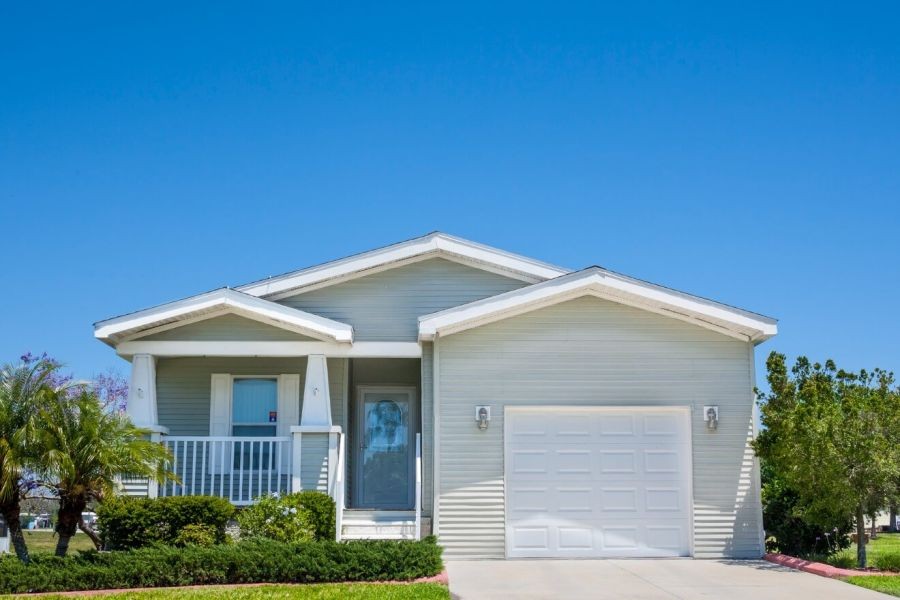






Let’s be candid: the phrase "million-dollar portfolio" conjures images of Wall Street tycoons and Silicon Valley windfalls, a world seemingly distant from our shores. Yet, the ambition to build significant, life-altering wealth is not confined by geography; it is a universal aspiration, tempered by local realities. In New Zealand, we face a unique financial landscape—a historically strong property culture, a smaller but dynamic share market, and economic policies that shape our risk and reward. The journey from scratch to seven figures is less about a secret formula and more about a deliberate, culturally-aware philosophy of wealth creation. It is a narrative of patience, strategic diversification, and an understanding that the Kiwi path to a million is paved not with get-rich-quick schemes, but with compounded growth, resilience, and an optimistic, long-term view. This is not just finance; it's the story of building a legacy within the context of Aotearoa.
Debunking the Kiwi Property-Only Myth: A Broader Vision for Wealth
For generations, the cornerstone of New Zealand wealth-building has been residential property. The data is compelling: according to Stats NZ, the mean price of a New Zealand home increased by approximately 78% over the past decade, significantly outpacing average wage growth. This cultural imprint is powerful, creating a widespread belief that a portfolio of one or two rental properties is the singular, safe road to riches. However, this monolithic focus is the first major myth we must dismantle.
Myth: A million-dollar portfolio must be built primarily through New Zealand residential real estate. Reality: While property can be a powerful component, over-concentration in a single, illiquid asset class exposes investors to disproportionate risk from interest rate shifts, regulatory changes (like recent bright-line test extensions and interest deductibility rules), and market cyclicality. A truly robust million-dollar portfolio is built on diversification across asset classes, geographies, and sectors.
Drawing on my experience supporting Kiwi companies and investors, I've observed a pivotal shift among sophisticated wealth-builders. They view property as one piece of a larger puzzle. The goal isn't just to own assets; it's to own cash-flowing, growth-oriented assets that aren't perfectly correlated. When the property market cools, as it has in recent periods, a portfolio with exposure to global equities, bonds, and alternative assets provides crucial stability and continued growth avenues. The modern million-dollar portfolio is a hybrid engine, not a single-cylinder motor.
Next Steps for the Aspiring Kiwi Investor
Conduct a brutal audit of your current assets. If more than 60% of your net worth is tied up in NZ residential property, your first action is to pause further property investment. Instead, direct future capital into building out other pillars of your portfolio. This doesn't mean selling existing property (transaction costs are high), but it does mean rebalancing your strategy moving forward.
The Foundational Pillars: Constructing Your portfolio Engine
Building from scratch requires a blueprint. Think of your portfolio as a custom-built home. You need a strong foundation, reliable structural supports, and some innovative features for efficiency and future-proofing. Here are the non-negotiable pillars:
1. The Foundation: Aggressive, Consistent Saving & Debt Management
No portfolio grows from zero without capital. The initial phase is less about investment selection and more about financial discipline. Data from the Reserve Bank of New Zealand shows household saving as a percentage of disposable income can be volatile; the key is to personalise this statistic. Aim to save a minimum of 20% of your post-tax income. Before investing a single dollar, high-interest consumer debt (credit cards, hire purchases) must be eradicated. The guaranteed "return" from paying off a 19.9% credit card debt far outweighs most speculative investments.
2. The Structural Beams: Core Equity Holdings (Local & Global)
equities represent ownership in businesses and are historically the greatest driver of long-term wealth creation. Your core holdings should be a mix:
- New Zealand equities (via low-cost ETFs like FNZ): Provides exposure to the domestic economy—companies like Fisher & Paykel Healthcare, Meridian Energy, and the banks. It’s a stake in the nation's commercial heartbeat.
- Global equities (via ETFs like VT or VOO): This is critical. The NZX makes up less than 0.2% of global market capitalisation. By investing globally, you tap into the growth of global tech, pharmaceuticals, and consumer giants, insulating yourself from local downturns. Based on my work with NZ SMEs, even successful local business owners use global ETFs to park surplus capital, understanding that their business is already a concentrated "NZ bet."
3. The Stabilising Frame: Fixed Income & Cash
Bonds and term deposits provide stability and income. In a rising interest rate environment, as we've experienced, bond prices fall, but they begin to offer attractive yields. Tools like NZ government bonds or high-grade corporate bond ETFs provide a counterweight to equity volatility. A common rule of thumb is to hold your age as a percentage in bonds (e.g., 30% at age 30), but in today's climate, a more dynamic approach is needed.
4. The Innovative Features: Strategic Satellites
This is where you allocate a smaller portion (10-20%) to higher-conviction or alternative investments. This could include:
- Direct Holdings in High-Growth NZ Companies: Through platforms like Snowball Effect, you can invest in private equity/venture capital rounds for promising Kiwi startups.
- Specialised Thematic ETFs: Robotics, AI, clean energy, or cybersecurity.
- Your Own Expertise: A side business or intellectual property. In practice, with NZ-based teams I’ve advised, the most significant wealth accelerators often come from leveraging professional skills into a consultancy or digital product.
Case Study: Fisher Funds – Democratising Managed Fund Investment
Problem: For decades, managed funds in New Zealand were often seen as opaque, high-fee products primarily for the already wealthy. Many everyday Kiwis lacked the confidence or capital to build a diversified portfolio, defaulting to bank term deposits or single-asset property purchases, missing out on compounded market returns.
Action: Fisher Funds, a homegrown KiwiSaver and investment manager, focused on transparency, education, and accessibility. They developed a range of clearly defined funds (Growth, Balanced, Conservative) and leveraged the compulsory KiwiSaver system to introduce millions of New Zealanders to disciplined, regular investing. Their marketing and reporting emphasised long-term growth narratives and the power of staying invested.
Result: Fisher Funds grew to manage over $20 billion in assets, demonstrating the massive latent demand for structured investment pathways. Their success highlighted a key insight: when given a clear, trusted framework and automatic contributions (via KiwiSaver), New Zealanders will consistently invest in diversified portfolios. The result for investors has been participation in equity market growth they might otherwise have missed.
Takeaway: You don't need to be a stock-picking genius. Using a reputable managed fund or ETF as your core "engine" is a legitimate, efficient strategy. The behavioural success of KiwiSaver provides a blueprint: automate your contributions, choose an appropriate fund based on your risk profile (not just the default), and let time and compounding work. This case study proves the model works at a national scale.
The Data-Driven Reality: Time, Consistency, and Compounding
Let’s move from philosophy to mathematics. The Reserve Bank of New Zealand's long-term data suggests that a balanced portfolio (50% global shares, 30% NZ shares, 20% bonds) has historically returned approximately 7-9% per annum before inflation. Using a conservative 7% annual return, let’s model the journey:
- Starting at 25: Investing $1,000 per month reaches ~$1,000,000 by age 60.
- Starting at 35: Requires ~$2,000 per month to reach the same goal by 60.
- Starting at 45: Requires ~$4,500 per month—a significantly steeper climb.
The most powerful variable is not your investment genius; it's time. This data underscores the non-negotiable imperative to start early and contribute consistently. Every year of delay dramatically increases the monthly burden.
Pros & Cons: The Balanced Investor's Perspective
✅ The Advantages of This Structured Approach
- Risk Mitigation Through diversification: Shields you from catastrophic loss in any single asset (e.g., a bad property purchase, a local stock crash).
- Liquidity & Flexibility: Unlike property, most ETFs and shares can be sold in days, providing access to capital and the ability to rebalance swiftly.
- Global Growth Participation: Directly benefits from innovation and economic growth in the US, Europe, and Asia, not just the NZ business cycle.
- Lower Barrier to Entry: You can start with a few hundred dollars via micro-investing platforms like Sharesies or Hatch, making it accessible.
- Tax Efficiency (with planning): portfolio Investment Entities (PIEs) in NZ offer capped tax rates (max 28%), which can be advantageous for higher-income earners.
❌ The Challenges & Realities to Acknowledge
- Volatility & Emotional Discipline: Share markets fluctuate. The 2020 COVID crash saw the NZX50 drop over 30% in weeks. Staying invested requires grit and a long-term vision many find difficult.
- Regulatory & Policy Shifts: NZ government policy on foreign investment, capital gains, and KiwiSaver rules can change, impacting strategies.
- Currency Risk: Investing offshore exposes you to NZD fluctuations. A rising NZD can dampen global returns when converted back.
- Information Overload: The universe of ETFs and shares is vast. Analysis paralysis and chasing "hot tips" are common pitfalls.
- It’s Boring: Successful long-term investing lacks the visceral thrill of a property auction. The "action" is in disciplined inaction.
Common Costly Mistakes & How Kiwi Investors Can Avoid Them
- Mistake: Letting Tax Tail Wag the Investment Dog. Choosing an investment solely for its tax advantages (like certain property structures) while ignoring poor fundamentals. Solution: Investment merit comes first. Optimise for tax second, using advice from a qualified financial adviser.
- Mistake: Chasing Past Performance. Investing in the top-performing fund or sector of the last year, which is often poised for a correction. Solution: Adopt a forward-looking, strategic asset allocation. Rebalance annually to sell high and buy low automatically.
- Mistake: Underestimating the Impact of Fees. A 2% annual management fee can consume over a third of your returns over 30 years. Solution: Prioritise low-cost index funds and ETFs. Compare the Management Expense Ratio (MER) diligently; the difference between 0.2% and 1.2% is monumental over time.
- Mistake: Going It Alone Without a Plan (The "DIY Disaster"). Making ad-hoc investments based on news headlines or friend's advice, with no written Investment Policy Statement. Solution: Draft a one-page plan outlining your goals, risk tolerance, asset allocation, and contribution schedule. This is your psychological anchor during market storms.
The Future of Kiwi Wealth: Trends Reshaping the Million-Dollar Journey
The landscape is evolving rapidly. Here are two data-backed predictions that will define the next decade:
1. The Rise of Direct Retail Access & Personalisation: Platforms like Sharesies and Hatch have already revolutionised access. The next phase will be AI-driven personalised portfolio management—'robo-advisors' that adjust your asset mix in real-time based on life events, goals, and market conditions, all for a fraction of the cost of a human adviser. A 2024 report by NZTech predicts that over 40% of Kiwi investors under 40 will use some form of automated financial advice within five years.
2. ESG Integration from Niche to Norm: Environmental, Social, and Governance (ESG) investing is moving beyond ethics to being seen as a critical risk-assessment framework. From observing trends across Kiwi businesses, those with strong ESG credentials are attracting disproportionate capital. Future portfolios will have ESG screens as a default, driven by both consumer demand and the financial materiality of climate risk. Funds that ignore this will face divestment pressures.
People Also Ask (FAQ)
How much do I need to start investing in New Zealand? You can start with as little as $5 on micro-investing platforms. The amount is less important than the habit. Setting up an automatic weekly transfer of $50 is a powerful beginning.
Is it better to invest in KiwiSaver or my own portfolio? It's not either/or. Maximise your KiwiSaver contributions to get the full government and employer match—it's free money. Then, build a separate, more flexible portfolio for goals before retirement (e.g., a house deposit, starting a business).
What is the single biggest threat to building a million-dollar portfolio in NZ? Inflation. Earning a 3% return when inflation is 7% means you're losing purchasing power. Your portfolio's return must be measured in real (after-inflation) terms. This is why a heavy allocation to cash long-term is a losing strategy.
Final Takeaway & Call to Action
The path to a million-dollar portfolio in New Zealand is a marathon of consistent, intelligent decisions. It requires breaking free from property-only dogma, embracing global diversification, and harnessing the relentless, boring power of compound interest. Your wealth is a reflection of your financial habits and the stories you believe about money. The most optimistic story you can tell yourself is one of agency and disciplined action.
Your action today is simple: Open an investment account if you haven't. Set up an automatic weekly transfer of an amount that feels almost too small to notice. Buy a single unit of a low-cost global ETF. You have now started the engine. The journey of a million dollars begins with the first, deliberate dollar invested. The future of your financial legacy is waiting to be written—what's your first sentence?
Related Search Queries
best ETFs for New Zealand investors 2024, how to diversify portfolio beyond property NZ, KiwiSaver vs personal investment portfolio, compound interest calculator NZ, low cost index funds New Zealand, how to start investing with $100 NZ, global share market access for Kiwis, building wealth in New Zealand from scratch, managed fund performance comparison NZ, impact of NZ inflation on long term investing.
For the full context and strategies on How to Create a Million-Dollar Investment Portfolio from Scratch – Strategies That Actually Work in NZ, see our main guide: Sustainable Hospitality Eco Friendly Video Marketing.