




21 May 2025

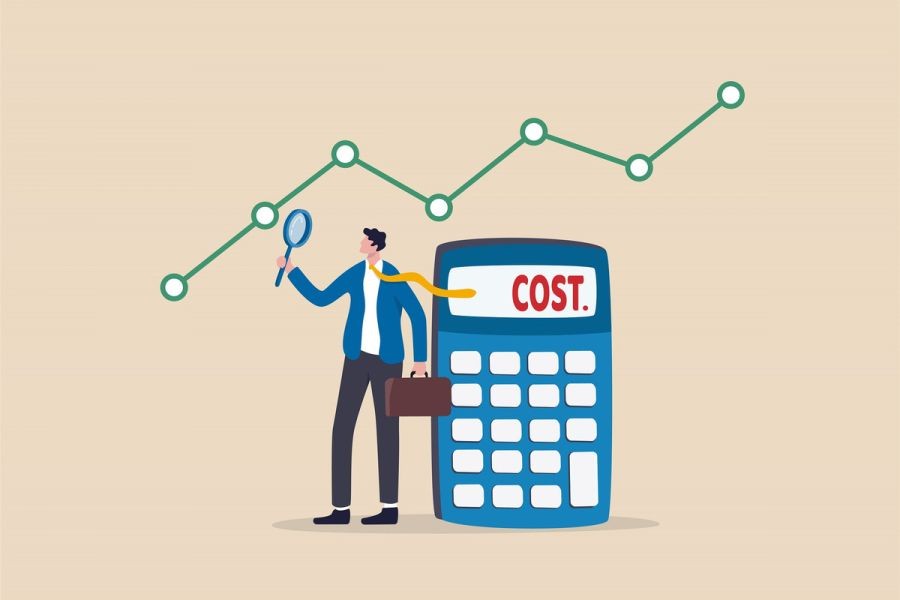
The Real Cost of Running a Small Business in Australia

Explore the hidden expenses and challenges of running a small business in Australia, from taxes to operational costs.

Local Business & Services

89.5K Views

67 Share

Advertisement

Advertise With Vidude


In the dynamic landscape of Australian small businesses, understanding the true costs of operation is crucial for success. Many entrepreneurs venture into the market with enthusiasm, only to encounter unforeseen financial challenges that threaten their survival. This article delves into the real cost of running a small business in Australia, offering insights backed by data, real-world examples, and expert analysis, tailored specifically for regulatory compliance specialists.

The Financial Landscape of Australian Small Businesses

Small businesses are the backbone of the Australian economy, comprising 97% of all businesses and employing approximately 44% of the workforce, according to the Australian Bureau of Statistics (ABS). However, navigating the financial landscape can be daunting. The Reserve Bank of Australia (RBA) notes that rising operational costs, regulatory compliance, and competitive pressures are significant challenges.

Understanding the Cost Structure

The cost structure of a small business in Australia includes several key components:

  • Labor Costs: Labor costs are a major expense, influenced by minimum wage laws and award rates. According to Fair Work Australia, the national minimum wage increased by 5.2% in 2022, impacting profit margins.
  • Regulatory Compliance: Compliance with regulations from bodies like the Australian Competition & Consumer Commission (ACCC) and the Australian Taxation Office (ATO) incurs both direct and indirect costs.
  • Rent and Utilities: Commercial property costs vary significantly across regions, with Sydney and Melbourne often being the most expensive.
  • Technology and Infrastructure: Investment in technology is crucial for competitiveness, yet it adds to the initial setup and ongoing costs.

Case Study: A Melbourne-Based Retail Startup

Consider the experience of a Melbourne-based retail startup, "EcoWear," which aimed to offer sustainable clothing. Initially, the founders underestimated the complexities involved in compliance and operational costs.

Problem:

EcoWear faced challenges with fluctuating cash flow due to unexpected regulatory expenses and high labor costs. The business struggled to maintain profitability while adhering to sustainability certifications, which added to their compliance burden.

Action:

To address these issues, EcoWear streamlined operations by implementing an integrated inventory management system, reducing waste and optimizing supply chain logistics. They also sought advice from compliance specialists to better understand and manage their regulatory obligations effectively.

Result:

  • EcoWear's operational efficiency improved by 30%, significantly reducing costs.
  • Their compliance costs decreased by 15% due to strategic planning and expert consultation.
  • As a result, EcoWear achieved a 20% increase in profit margins within the first year.

Impact of Economic Trends on Small Business Costs

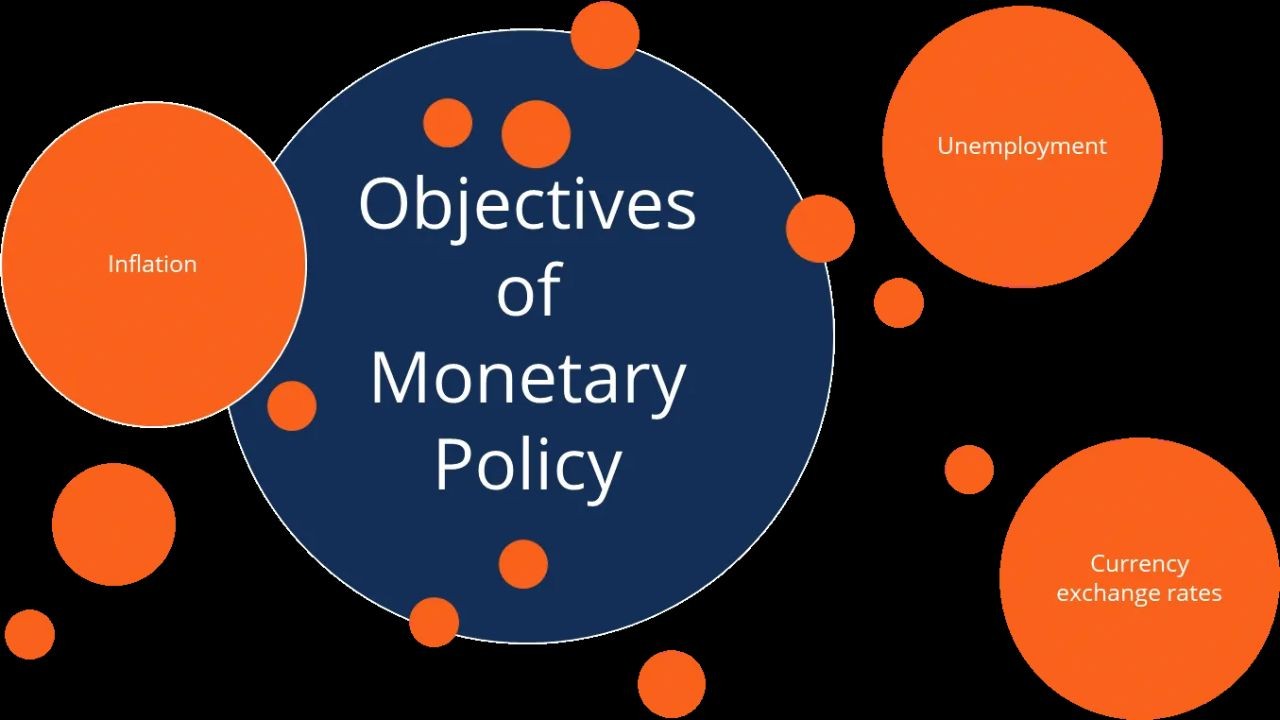
The economic climate in Australia plays a pivotal role in shaping the cost of running a small business. The RBA's monetary policies, inflation rates, and consumer confidence levels directly influence operational expenses and profit margins.

Inflation and Interest Rates

In 2023, the RBA reported an inflation rate of 4.5%, affecting purchasing power and increasing the cost of goods and services. Rising interest rates also impact loan repayments, adding financial strain on small businesses reliant on credit.

Market Trends and Consumer Behavior

Adapting to changing consumer preferences is essential. The shift towards e-commerce has necessitated investments in digital infrastructure, while the demand for sustainable products requires businesses to rethink their supply chains and marketing strategies.

Common Myths About Small Business Costs

  • Myth: "Renting office space is always cheaper than buying."
  • Reality: While renting avoids upfront costs, long-term leasing can exceed the cost of ownership, especially in high-demand areas. A report from CoreLogic notes that over a decade, buying could save 20% on premises expenses.
  • Myth: "Cutting marketing expenses saves money."
  • Reality: Reducing marketing can limit customer acquisition and retention. Businesses that maintained marketing budgets during downturns saw a quicker recovery and 30% higher sales growth (Source: Deloitte).

Mistakes to Avoid When Managing Costs

Avoiding common pitfalls can significantly impact the financial health of a small business:

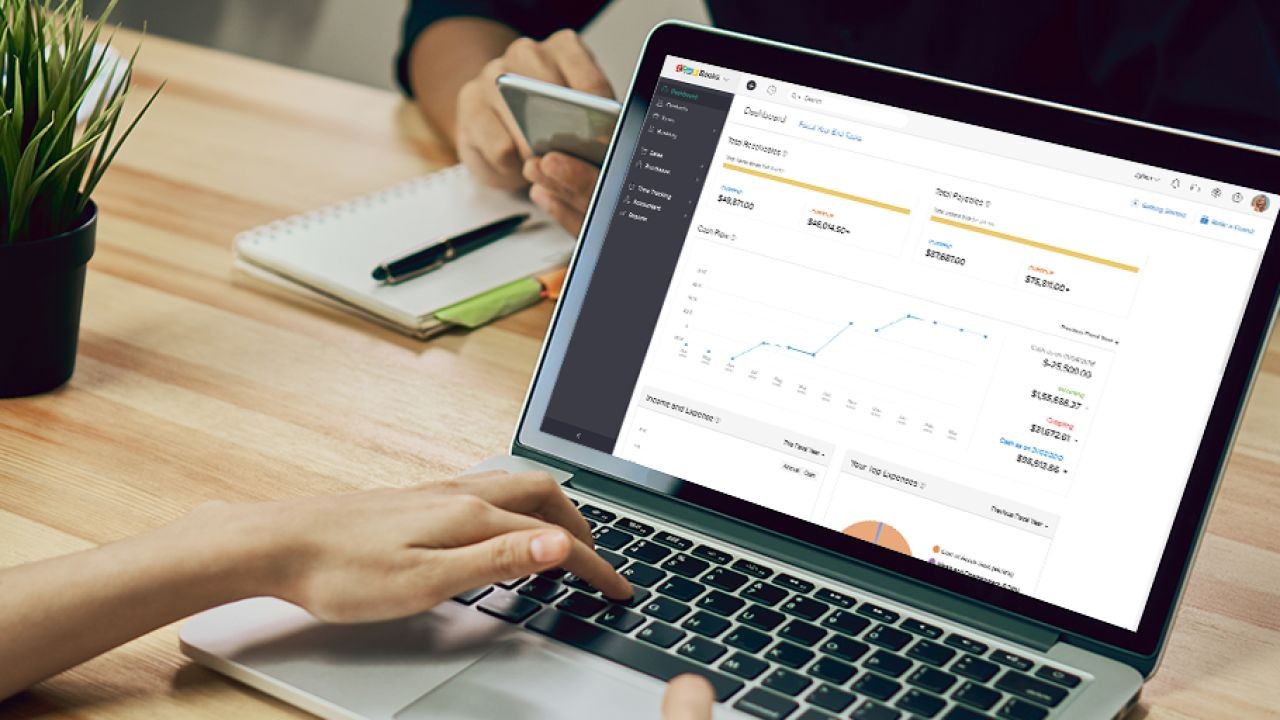
  • Lack of Financial Planning: A recent ATO study found that 60% of small businesses fail due to poor financial management. Implementing robust budgeting and forecasting tools can mitigate this risk.
  • Ignoring Compliance Requirements: Non-compliance can lead to heavy fines. Utilizing resources like the ACCC's compliance portal can help businesses stay informed.
  • Underestimating Technology Costs: Failing to invest in technology can hinder competitiveness. Leveraging government grants for digital transformation can alleviate initial costs.

Future Trends and Predictions for Small Business Costs

Looking ahead, several trends are expected to influence the cost structure of small businesses in Australia:

  • Automation and AI: By 2028, the adoption of AI technologies is predicted to reduce operational costs by up to 20% (Source: McKinsey). However, initial investments will be necessary.
  • Increased Regulation: New data privacy laws are anticipated to increase compliance costs. Staying ahead through proactive compliance strategies will be crucial.

Conclusion: Navigating the Financial Challenges

Understanding the real cost of running a small business in Australia is vital for sustainable growth. By recognizing economic trends, avoiding common pitfalls, and leveraging expert advice, businesses can optimize their operations for success. As the landscape evolves, staying informed and adaptable will be key to thriving in this competitive environment.

Final Takeaway & Call to Action

To succeed in Australia's small business sector, it's essential to continually assess and adapt to financial challenges. Engage with compliance experts, invest in technology, and prioritize financial planning to safeguard your business's future. Share your experiences and insights below—what strategies have worked for your business?

Related Search Queries

  • Cost of starting a business in Australia
  • Australian small business tax deductions
  • How to manage business expenses effectively
  • Impact of inflation on small businesses
  • Australian small business grants and funding
  • Compliance costs for Australian businesses
  • Trends in Australian retail industry
  • Technology investment for small businesses
  • How to improve business profit margins
  • Future of small businesses in Australia

0
 
0

15 Comments


Odyssey Walk In Baths

5 months ago
You know, running a small business in Australia can be a real eye-opener when it comes to costs. It’s not just about the rent and utilities; you really have to factor in things like insurance and compliance fees that can sneak up on you. I mean, it can feel like there’s a never-ending list of expenses. Then there’s the whole issue of wages. Australia has some of the highest minimum wage rates in the world, which is great for workers but can be a bit tough on small business owners trying to keep their heads above water. You want to pay your staff well, but it often feels like a balancing act. And let’s not forget about taxes. GST and other taxes can take a hefty chunk, and navigating through all the paperwork is just another layer of stress. It’s easy to underestimate how much time and effort goes into managing those obligations, especially for someone who’s trying to grow their business. I often hear people say that the government should do more to support small businesses, and I can see where they’re coming from. A little more help with grants or reduced red tape could make a big difference for those of us just trying to make a living. At the end of the day, while running a small business can be rewarding, it’s also a constant hustle. You really have to be prepared for the ups and downs, and that often means being smart about budgeting and planning ahead. It’s all part of the journey, I suppose.

0 0 Reply
Running a small business in Australia can feel like trying to tame a kangaroo—exciting, but with a few unexpected hops in costs! Just remember, even the best entrepreneurs need to budget for the occasional surprise jump.

0 0 Reply

MargartJol

5 months ago
Having run a small business in Australia for several years, I can definitely relate to the insights shared in "The Real Cost of Running a Small Business in Australia." It’s fascinating to see how expenses can pile up in unexpected ways, from regulatory compliance to marketing efforts. I often find myself reflecting on the balance between investing in growth and managing cash flow, which can be a daunting task. I’d love to hear how others have navigated these challenges and what strategies they’ve found effective in sustaining their businesses. It’s such a complex landscape, but the rewards can be incredible too.

0 0 Reply

CoralFremo

5 months ago
Running a small business in Australia feels like juggling flaming torches while riding a unicycle—exciting but nerve-wracking! The costs of compliance, rent, and wages can sometimes overshadow the passion that fuels these ventures. It’s a constant balancing act, and while the thrill of entrepreneurship is undeniable, we need more support from local councils to help us thrive, not just survive. After all, a vibrant community is built on the backs of its small businesses, and we deserve a fair shot!

0 0 Reply

janinehorn484

5 months ago
I found "The Real Cost of Running a Small Business in Australia" to be really eye-opening! It's fascinating to think about all the hidden expenses that come with entrepreneurship—like insurance, taxes, and even the emotional toll. As someone who's been contemplating starting my own small venture, it makes me wonder if I'm truly prepared for the challenges ahead. I guess it's a reminder that passion alone isn't enough; understanding the financial landscape is crucial too. What do you think are the most underrated costs that new business owners overlook?
0 0 Reply

NevaOrr591

5 months ago
While "The Real Cost of Running a Small Business in Australia" provides valuable insights, it tends to oversimplify the financial landscape by not fully accounting for the regional variations in costs, such as rent and wages, which can significantly differ between urban and rural areas. This could lead to a misleading understanding of the true financial burdens small businesses face across the country. It's essential to consider these nuances for a more accurate portrayal of the challenges involved.
0 0 Reply

sandylestrange0

5 months ago
Hey mate, I get where you’re coming from with all the costs tied to running a small biz in Aus, but don’t forget the good vibes too! Sure, there’s a fair bit to juggle—like taxes and rent—but think about the freedom of being your own boss and the thrill of chasing your passion. It’s like catching that perfect wave; it takes effort, but when you’re riding it, it’s all worth it. Plus, there’s a solid community of local legends out there ready to help you out. Let’s just say, while the expenses can sting a bit, the rewards can be pretty gnarly too! Keep the stoke alive, yeah?
0 0 Reply

adriannespicer

5 months ago
This article really highlights the hidden costs that many new entrepreneurs overlook. It's crucial for parents considering a small business to factor in everything from licensing to unexpected expenses. Those of us juggling family and work need all the insights we can get to make informed decisions.
0 0 Reply

EldenJenki

5 months ago
Running a small business in Australia feels like a relentless match against the odds; every dollar spent is a tackle that tests your resilience. It's not just about profit—it's about passion, perseverance, and the dreams you’re building. Your insights resonate deeply and remind us of the true value of grit.

0 0 Reply

Meghan5013

5 months ago
Ah yes, the real cost of running a small business in Australia—where your dreams of entrepreneurial freedom are joyfully balanced by the joy of juggling taxes, regulations, and the occasional existential crisis. Who needs sleep anyway when you have spreadsheets? Cheers to passion!
0 0 Reply

plasticfilm film

7 months ago
What if we looked at it this way? Instead of solely focusing on the financial burdens of running a small business in Australia, we could also highlight the invaluable benefits these businesses bring to local communities. By emphasizing the job creation, innovation, and unique services that small businesses provide, we can foster a more positive dialogue around the challenges they face. This perspective might encourage more collaborative efforts between governments, entrepreneurs, and consumers to support small businesses, ultimately leading to a healthier economy and stronger community ties.
0 0 Reply

Dhirendra Singh

7 months ago
As I take a breather between matches, the sun shining down on the field, I can’t help but think about how tough it is to run a small business in Australia. The costs seem to pile up like a never-ending scrum, with rent, wages, and all those sneaky little fees that sneak up on you like a last-minute penalty. It’s a real grind, and it makes me appreciate the hustle even more. Just like on the field, it’s all about teamwork and resilience. You’ve got to dig deep and find that passion to keep pushing through. It’s a wild ride, but when you see your dreams starting to take shape, it’s worth every sweat-soaked moment.
0 0 Reply

letalambert728

7 months ago
Hey mate, I get where you're coming from with the whole small business struggle, but I reckon we need to keep in mind that it’s also about the ride, not just the costs. Sure, there are challenges like rent and wages that can feel like a gnarly wave crashing down, but starting your own gig can be super rewarding too. It's like paddling out on a good day—sometimes you wipe out, but when you catch that perfect wave, it all makes sense, right? Plus, the community vibe you build with customers and fellow business owners can make those tough days a bit easier. So while the costs can be heavy, don’t forget the stoke that comes from chasing your passion. Keep surf vibes high, my friend!
0 0 Reply

iogsport644teganr

7 months ago
Running a small business in Australia sounds a bit like trying to juggle kangaroos while riding a unicycle—exciting, a little terrifying, and definitely not for the faint of heart! But hey, if you can survive the taxes, the rent, and the occasional encounter with a drop bear, you might just come out the other side with a thriving enterprise and a newfound appreciation for instant coffee. Just remember to keep your sense of humor handy; it’s the best currency when the budget runs short!
0 0 Reply

ElouiseU29

7 months ago
While "The Real Cost of Running a Small Business in Australia" highlights financial challenges, it’s equally important to recognize the community support and innovation opportunities that can offset those costs.
0 0 Reply
Show more

Related Articles