




14 March 2025

The Eye-Opening Truth About the rise of plant-based and indigenous ingredients in Kiwi cuisine

Discover how plant-based and indigenous ingredients are transforming Kiwi cuisine, blending tradition with modern culinary trends.

Food & Cooking

78.4K Views

58 Share

Advertisement

Advertise With Vidude


The culinary landscape of New Zealand is undergoing a significant transformation, driven by the rise of plant-based and indigenous ingredients. This trend is not just a fleeting gastronomic fad but is deeply rooted in cultural revitalization and environmental sustainability, aspects that are gaining considerable traction globally. For property investors and specialists in New Zealand, understanding these shifts is critical, as they have profound implications on market trends, consumer behavior, and ultimately, property values.

Introduction

New Zealand's food culture is increasingly embracing plant-based diets and indigenous ingredients, a movement that reflects global shifts towards sustainable and ethical consumption. This trend matters significantly in New Zealand due to its rich tapestry of indigenous Maori culture and the country's commitment to reducing its environmental footprint. With the agriculture sector pledging to reduce methane emissions by 30% by 2030, the shift towards plant-based diets is gaining momentum.

Understanding the Shift to Plant-Based Diets

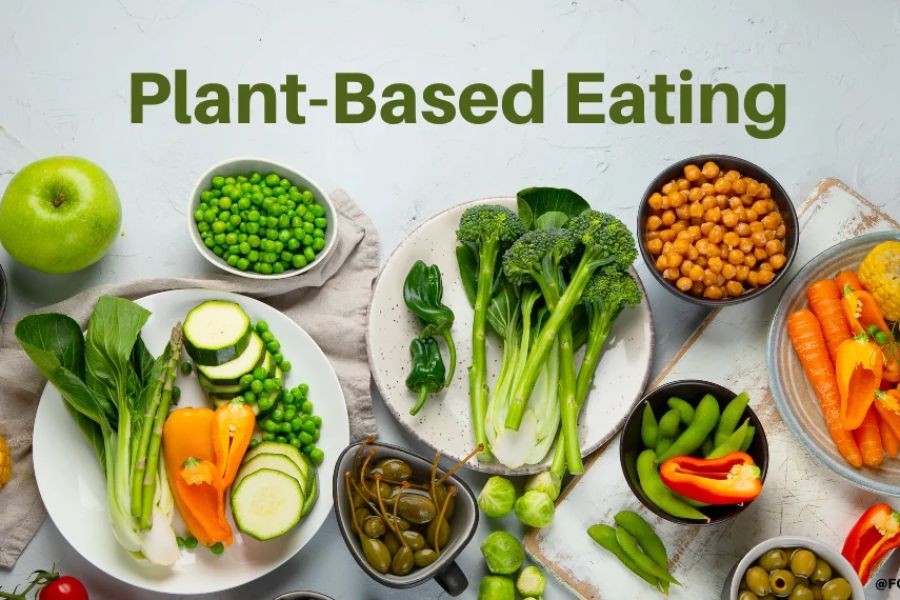
The global plant-based food market is projected to reach USD 74.2 billion by 2027, growing at a CAGR of 11.9% from 2020. In New Zealand, the demand for plant-based products is escalating, influenced by health consciousness and environmental concerns. According to a 2020 survey by Food Frontier, 42% of Kiwis are actively reducing their meat consumption. This change is not only a dietary preference but is reshaping food production and consumption patterns.

Real-World Example: Auckland's Culinary Scene

Auckland, New Zealand’s largest city, is leading the charge with restaurants like the "Little Bird Organics" that focus exclusively on plant-based menus. This reflects a broader trend where urban centers are embracing plant-based cuisine, potentially impacting local property markets by attracting eco-conscious businesses and residents.

Revitalization of Indigenous Ingredients

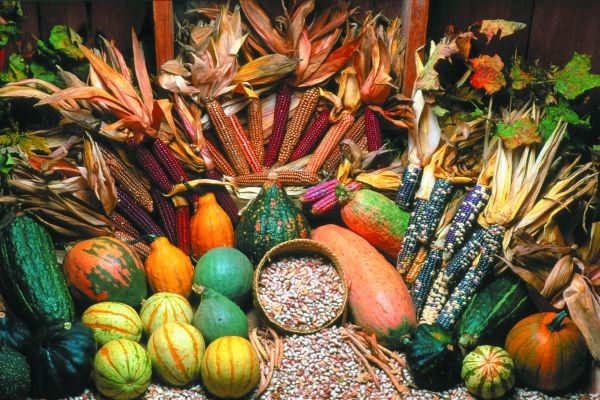
In parallel with the plant-based movement, there is a revival of indigenous Maori ingredients, which offer a rich cultural heritage and unique flavors. Ingredients such as kawakawa, kumara, and manuka honey are gaining prominence. This resurgence is not only cultural but also economic, providing local communities with opportunities to engage in sustainable agricultural practices.

Real-World Example: The Rise of Hangi Cuisine

Hangi, a traditional Maori cooking method, is experiencing a renaissance in both local and international markets. This method, utilizing geothermal heat, highlights the unique culinary heritage of New Zealand and provides a sustainable cooking alternative. Businesses leveraging such traditional methods are increasingly becoming attractive to investors looking for unique culinary experiences.

Implications for Property Investment

For property investors, these culinary trends translate into a demand for spaces that can accommodate food businesses focused on plant-based and indigenous ingredients. This demand can increase property values in urban areas where such businesses thrive. Furthermore, areas with agricultural potential for growing indigenous ingredients may see a rise in land value.

Real-World Example: Wellington's Flourishing Food Hubs

Wellington has seen a burgeoning growth of food hubs that prioritize sustainability and indigenous foods. This has created a niche market for properties that can support these innovative businesses, leading to increased property values in targeted areas.

Consumer Behavior and Market Trends

The shift towards plant-based and indigenous foods is driven by a growing consumer preference for transparency and sustainability. A Nielsen report noted that 73% of global consumers would change their consumption habits to reduce their environmental impact. In New Zealand, this is reflected in the increasing popularity of farmers' markets and organic food stores, which serve as vital distribution points for these foods.

Real-World Example: Otago Farmers Market

The Otago Farmers Market is a prime example where local producers of plant-based and indigenous foods meet consumer demand. Such markets are becoming focal points for community engagement and economic activity, directly influencing property dynamics in their vicinity.

Sustainability and Environmental Impact

The environmental benefits of plant-based and indigenous diets are significant. A study by the University of Oxford suggests that cutting meat and dairy from diets could reduce an individual’s carbon footprint by up to 73%. New Zealand, with its clean green image, stands to benefit from these environmental savings, aligning with national goals to combat climate change.

Expert Opinion: Tom Peterson on Environmental Policy

Tom Peterson, a Climate Change Policy Analyst, states, "New Zealand's commitment to reducing its environmental footprint aligns well with the rise of plant-based diets, which offer a promising path to achieving our sustainability targets."

Financial Projections and Market Analysis

From a financial perspective, the plant-based and indigenous food market presents a lucrative opportunity. The global alternative protein market is expected to be worth USD 17.9 billion by 2025. For New Zealand investors, this represents a burgeoning market that promises significant returns, especially as consumer demand continues to rise.

Real-World Example: Investment in Plant-Based Startups

New Zealand is witnessing an increase in investment in plant-based startups, such as Sunfed Foods, which raised NZD 10 million in its Series A funding round. These startups are attracting attention from global investors, highlighting the financial viability of this sector.

Conclusion

In conclusion, the rise of plant-based and indigenous ingredients in Kiwi cuisine is more than a culinary trend; it is a reflection of broader societal changes towards sustainability and cultural appreciation. For property investors, this presents an opportunity to capitalize on emerging markets and consumer preferences that favor environmentally conscious and culturally rich ventures. By understanding these dynamics, investors can make informed decisions that align with both current trends and future projections.

Actionable Takeaways

  • Explore investment opportunities in urban areas that are hubs for plant-based and indigenous cuisine.
  • Consider the potential for increased property values in regions promoting sustainable agricultural practices.
  • Stay informed about consumer trends towards sustainability, as they drive market demand.
  • Invest in or support startups and businesses that are at the forefront of these culinary shifts.

By leveraging these insights, property investors can position themselves advantageously in a market that values sustainability, cultural heritage, and innovative food practices.

References

  • Food Frontier, New Zealand Meat Consumption Report, 2020.
  • Nielsen Global Survey on Sustainability, 2019.
  • University of Oxford, Environmental Impact Study, 2018.
  • Market Watch, Global Plant-Based Food Market Forecast, 2020.
  • NZ Herald, Sunfed Foods Investment News, 2021.

0
 
0

15 Comments


augustus998721

3 months ago
Ah, the delightful dance of greens and roots in Kiwi cuisine! It’s like witnessing a culinary opera where the lead roles are played by humble plants and ancient traditions. Who knew that a simple kumara could hold the secrets of the land, while a sprinkle of foraged seaweed brings a touch of the wild ocean's whispers to the table? Every bite feels like an invitation to a potluck with New Zealand's ancestors, sharing tales of the earth and sea. What a joyous way to celebrate both the past and the present, where every meal is a vibrant tapestry woven with nature’s finest threads.
0 0 Reply

Capture 360 Inc

3 months ago
While plant-based and indigenous ingredients are gaining popularity, many Kiwis still cherish traditional meat-heavy dishes, emphasizing that cultural heritage and comfort food play a crucial role in our cuisine.
0 0 Reply

florinep169787

3 months ago
Yes, but while the rise of plant-based and indigenous ingredients is exciting, we must ensure that traditional recipes and local flavors aren't overshadowed in the process. Balance is key.
0 0 Reply

MaySuper15

3 months ago
I think it’s fascinating how Kiwi cuisine is really embracing plant-based and indigenous ingredients lately. It seems like there's been a shift towards celebrating local produce, which is not only sustainable but also brings a unique twist to traditional dishes. I mean, using ingredients like kawakawa and harakeke in modern recipes is such a cool way to connect with Māori culture. It feels like a genuine effort to respect and incorporate the rich history of the land into what we eat today. Plus, with more people leaning towards plant-based diets, it’s great to see restaurants and cafes adapting their menus to include these options. It makes dining out so much more inclusive and exciting. Overall, it’s refreshing to see this movement gaining traction, and I hope it continues to grow. It feels like a nice blend of innovation and tradition, which is what makes New Zealand’s food scene so interesting.
0 0 Reply

Esportsgen

3 months ago
While the rise of plant-based and indigenous ingredients in Kiwi cuisine is certainly a fascinating trend, it's also important to celebrate the rich diversity of culinary influences that New Zealand has embraced over the years. This blend of flavors creates a unique culinary identity that reflects both tradition and innovation.
0 0 Reply

mahalialain74

3 months ago
I’ve been loving the shift towards plant-based and indigenous ingredients in our Kiwi cuisine lately. It feels like a real nod to our roots while embracing healthier choices. Nothing beats a good hangi-inspired veggie dish or a fresh feijoa salad in the warmer months. It’s like we’re finally giving our land the spotlight it deserves. Can’t wait to see what else comes out of this trend!
0 0 Reply

Rudy64G281

3 months ago
You know, it's interesting how the rise of plant-based and indigenous ingredients in Kiwi cuisine reflects a broader cultural shift. It's like New Zealand is reconnecting with its roots, both literally and figuratively. The way chefs are embracing native ingredients like kawakawa and harakeke adds a unique flavor profile that tells a story of the land and its people. I appreciate how this trend goes beyond just being trendy; it feels like a genuine respect for the environment and sustainability. It’s refreshing to see food that not only nourishes the body but also honors the local ecosystem. Plus, the vibrant colors and textures of these dishes are a feast for the eyes, making them even more appealing. And let’s be honest, who doesn’t love a good plant-based meal that’s packed with flavor? It’s about time we celebrate what the land has to offer in a way that’s both innovative and deeply rooted in tradition. I think this movement could inspire similar trends in other places too, creating a ripple effect of culinary exploration. All in all, it’s an exciting time for Kiwi cuisine, and I can’t wait to see what comes next.
0 0 Reply
Sipping my coffee, I can't help but appreciate how the rise of plant-based and indigenous ingredients in Kiwi cuisine reflects a deeper connection to the land. It's fascinating to see how Kiwis are embracing their roots, quite literally, by incorporating native plants like kawakawa and harakeke into their dishes. This trend not only highlights the uniqueness of New Zealand's culinary landscape but also promotes sustainability and a more mindful approach to eating. I think it’s refreshing to witness a shift away from heavily processed foods towards more natural, wholesome ingredients. It feels like a celebration of the environment, encouraging chefs to innovate while respecting traditional practices. Plus, there's something incredibly satisfying about knowing that what you're eating is both nourishing and steeped in cultural significance. It’s also interesting how this movement aligns with global trends towards health and wellness, making plant-based diets more appealing. Kiwis seem to be mastering the art of balancing modern culinary techniques with the rich flavors of their indigenous heritage. I can’t help but wonder how this will shape the future of not just Kiwi cuisine, but the global food scene as well. Ultimately, this evolution in Kiwi cuisine feels like a beautiful narrative where food becomes a storyteller, bridging past and present while inviting everyone to partake in a more sustainable future. It's an exciting time for food lovers, and I can't wait to see where it leads next.
0 0 Reply

Ayurheals

3 months ago
It's fascinating to see how the rise of plant-based and indigenous ingredients in Kiwi cuisine reflects a broader trend towards sustainability and cultural appreciation. By embracing these elements, New Zealand not only honors its rich heritage but also shifts towards more environmentally friendly eating practices. This culinary evolution showcases how food can be a powerful medium for expressing identity and promoting biodiversity, while also appealing to a growing demographic that values health and ethical sourcing. It’s a delicious way to connect with the land and its people, and I can't wait to see how this movement continues to evolve.
0 0 Reply

HwaKrier4

3 months ago
"Super cool how Kiwi chefs are blending indigenous flavors with plant-based ingredients—it's like a culinary revival that respects tradition while embracing sustainability. Love to see it!"
0 0 Reply

ricardobsm167

9 months ago
This article beautifully captures the vibrant fusion of plant-based and indigenous ingredients in Kiwi cuisine. Excited to see how these flavors shape our culinary future! 🌱🥝
0 0 Reply

Sam Gonzalez

9 months ago
This article beautifully highlights the fusion of plant-based and indigenous ingredients in Kiwi cuisine! It's inspiring to see such a rich cultural influence shaping modern dishes. 🍃✨
0 0 Reply

Starla75M

9 months ago
This article beautifully highlights the fusion of tradition and innovation in Kiwi cuisine! Excited to see how plant-based and indigenous ingredients shape our culinary landscape. 🌱🥝
0 0 Reply

Digbar

9 months ago
This article beautifully highlights the rich tapestry of Kiwi cuisine! Excited to see how plant-based and indigenous ingredients are reshaping our food culture. Great read! 🌱✨
0 0 Reply

TammaraUmb

9 months ago
This article beautifully highlights the delicious fusion of plant-based and indigenous flavors in Kiwi cuisine! Excited to see how these ingredients continue to shape our culinary landscape. 🌱🥝
0 0 Reply
Show more

Related Articles