

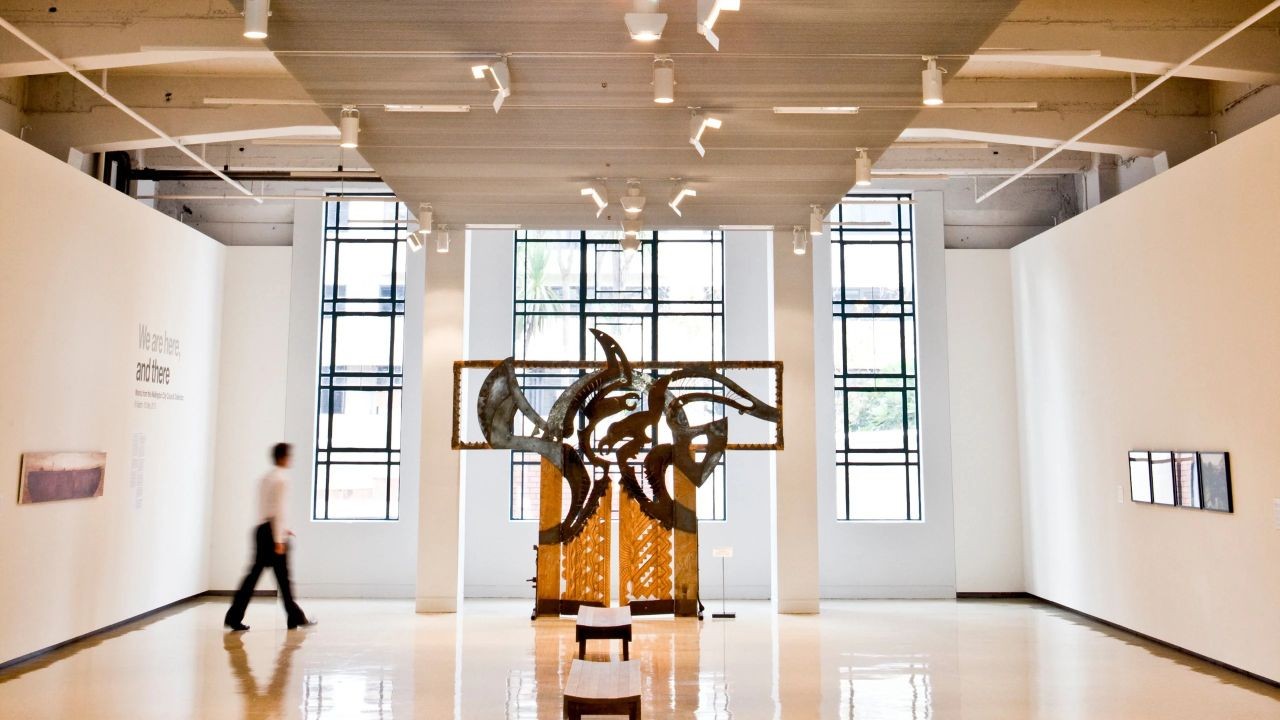
In a rapidly evolving digital landscape, New Zealand's approach to showcasing art is undergoing a transformation. The shift from traditional galleries to digital platforms is not just a trend but a necessity, as the art world seeks to engage a broader audience. This article delves into how New Zealand's video platforms are revolutionizing art exhibitions, providing both artists and investors with new opportunities and challenges.
Step-by-Step Guide to Navigating New Zealand's Art Digitalization
New Zealand's art scene is increasingly embracing digital platforms to reach global audiences. This shift is driven by a combination of technological advancements and changing consumer behaviors. According to Stats NZ, the number of households with internet access has surged to 93%, making digital platforms a viable means for showcasing art.
Step 1: Understanding the Digital Art LandscapeBegin by familiarizing yourself with the key players in New Zealand's digital art scene. Platforms like Vidude.com have emerged as frontrunners, offering immersive experiences that traditional galleries cannot match.
Step 2: Leveraging Video PlatformsVideo platforms provide artists with a unique opportunity to showcase their work through high-quality visuals and storytelling. This enhances viewer engagement and provides a more comprehensive understanding of the artwork.
Step 3: Engaging with Global AudiencesDigital platforms eliminate geographical barriers, allowing New Zealand artists to reach a global audience. This can lead to increased sales and international recognition, crucial for artists looking to expand their market.
Future Forecast & Trends in New Zealand's Art Industry
The future of art exhibitions in New Zealand is likely to be dominated by digital innovations. According to the Ministry of Business, Innovation and Employment (MBIE), digital transformation is expected to contribute significantly to the country's creative sector, with an estimated growth rate of 5% annually over the next decade.
Trend 1: Virtual Reality ExhibitionsVirtual reality (VR) is set to become a game-changer in the art industry. By 2026, it is predicted that over 60% of art exhibitions in New Zealand will incorporate VR elements, offering an immersive experience that traditional galleries cannot provide.
Trend 2: Blockchain AuthenticationAs digital art becomes more prevalent, ensuring the authenticity and provenance of artworks is crucial. Blockchain technology is being adopted for this purpose, providing a secure and transparent method of verifying artworks.
Expert Opinion & Thought Leadership
Nicole Harris, a leading Big Data & Analytics Consultant, emphasizes the importance of data-driven strategies in the art world. "The integration of big data analytics into art platforms can provide valuable insights into consumer preferences and trends," she states. This data can guide artists and investors in making informed decisions, enhancing the overall value of the art market in New Zealand.
Moreover, the Reserve Bank of New Zealand highlights the economic potential of the digital art market. As more artists embrace digital platforms, there is a growing opportunity for investors to capitalize on this emerging market. However, caution is advised, as the digital art space is still maturing and can be volatile.
Common Myths & Mistakes in Digital Art Investment
The journey of digital art investment is fraught with misconceptions. Here are some common myths debunked:
- Myth: "Digital art is just a fad."Reality: With the integration of technologies like VR and blockchain, digital art is here to stay, offering new dimensions to traditional art forms.
- Myth: "Only young people engage with digital art."Reality: Digital platforms cater to all age groups, with diverse content appealing to varied demographics.
- Myth: "Investing in digital art is risk-free."Reality: Like any investment, digital art carries risks, including market volatility and technological challenges.
Final Takeaways
- Digital platforms are redefining New Zealand's art industry, offering artists a global stage to showcase their work.
- Engaging with video platforms can enhance art appreciation through immersive experiences.
- Investors should approach the digital art market with both optimism and caution, leveraging data-driven insights to navigate this evolving landscape.
By embracing digital innovations, New Zealand's art industry is poised for a transformative future. Artists and investors alike must adapt to these changes to thrive in an increasingly digital world.
People Also Ask
- How does digitalization impact the New Zealand art market?Digitalization expands the reach of New Zealand artists globally, increasing market visibility and potential sales.
- What are the challenges of investing in digital art?Challenges include market volatility, technological obsolescence, and ensuring the authenticity of digital artworks.
Related Search Queries
- Digital art platforms in New Zealand
- Virtual reality art exhibitions NZ
- Blockchain technology in art
- Investing in digital art NZ
- Future of art galleries in New Zealand
For the full context and strategies on From Wellington Galleries to Dunedin Studios: Showcasing Art on New Zealand Video Platform, see our main guide: New Zealand Video Platform.