





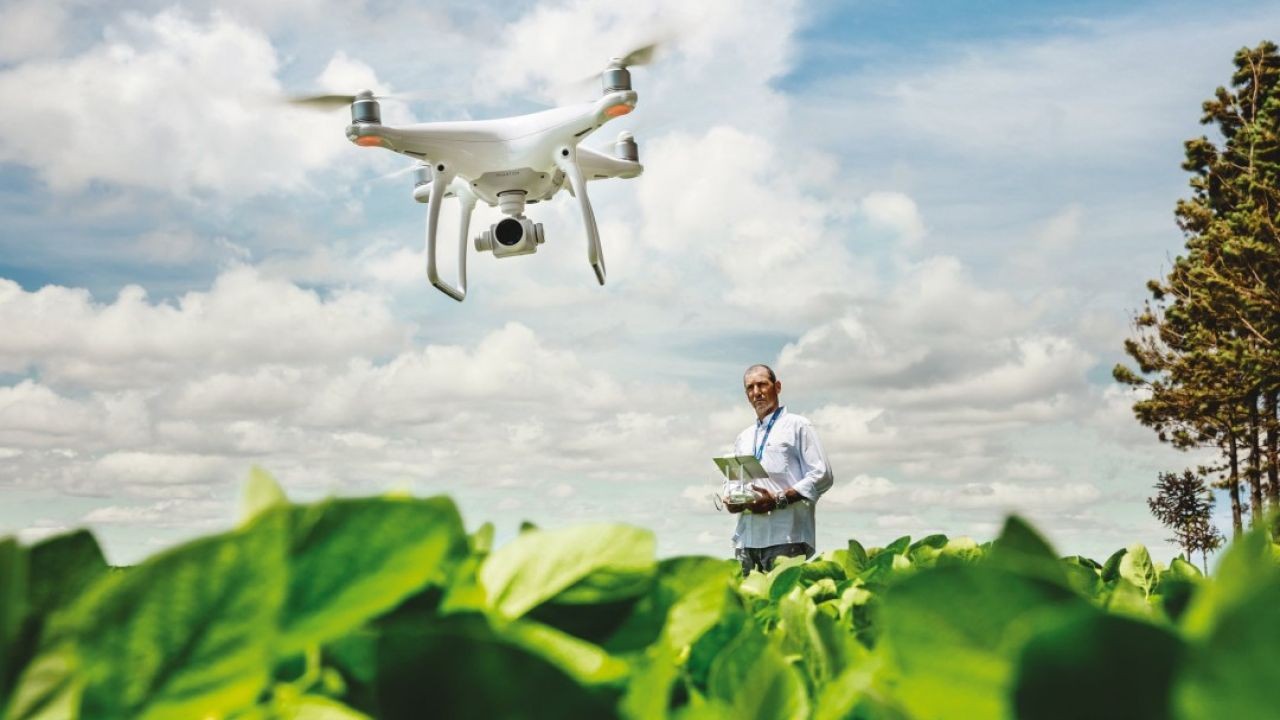
In the verdant landscapes of New Zealand, agriculture is not just a way of life—it's a cornerstone of the economy, contributing significantly to the nation's GDP and employing a large portion of the workforce. Yet, the traditional image of farming is rapidly evolving, as Kiwi innovators are leading the charge in transforming global food production through groundbreaking agricultural innovations. This article delves into how these innovations are reshaping the industry, offering insights for sustainability consultants keen on understanding the local and global impacts.
Expert Opinion & Thought Leadership
New Zealand's agricultural sector is at the forefront of integrating technology with traditional farming practices. According to Dr. John Williams, an agricultural scientist at Massey University, "New Zealand's unique climate and geography make it an ideal testing ground for innovations that can be scaled globally." This perspective is supported by data from Stats NZ, which shows that the primary industries, including agriculture, forestry, and fishing, contributed approximately 6.2% to the GDP in 2022, with expectations of a rise due to technological advancements.
The Role of Precision Agriculture
Precision agriculture is revolutionizing how food is produced, with New Zealand leading in this field. By using satellite imagery, sensors, and IoT devices, farmers can monitor crop health, soil conditions, and weather patterns with unmatched precision. This technology allows for more efficient use of resources, reducing waste and environmental impact—an essential factor for sustainability consultants focused on eco-friendly practices.
Biotechnology and Genetic Engineering
New Zealand's commitment to sustainability is evident in its cautious yet innovative approach to biotechnology. The use of CRISPR and other genetic engineering techniques is being explored to develop crops resistant to pests and climate change, thus ensuring food security. A notable example is the work by AgResearch, which is developing high-performance grasses that improve livestock productivity while reducing greenhouse gas emissions—a critical advancement in meeting New Zealand's climate commitments.
How It Works (Deep Dive)
To understand the impact of these innovations, it's crucial to delve into their mechanics and real-world applications.
Case Study: Dairy Farming and Robotics
Problem: Traditional dairy farming in New Zealand was labor-intensive and had high operational costs.
Action: Fonterra, New Zealand's leading dairy cooperative, implemented robotic milking systems that automate the milking process. This technology not only reduces labor costs but also improves animal welfare by allowing cows to set their milking schedule.
Result: Within a year, Fonterra reported a 20% increase in milk yield and a 15% reduction in labor costs, showcasing a successful integration of technology in agriculture.
Takeaway: The automation of labor-intensive tasks can significantly enhance productivity and sustainability in agriculture.
Data-Driven Analysis
According to a report by the Ministry of Business, Innovation and Employment (MBIE), the adoption of digital tools in agriculture could boost productivity by up to 25% by 2030. This projection is based on the current trajectory of technology integration in farming practices across New Zealand.
Pros and Cons of Agricultural Innovations
Pros:
- Increased Efficiency: Precision farming techniques optimize the use of resources, leading to higher yields with lower inputs.
- Sustainability: Reduced environmental impact through better management of water and fertilizers.
- Economic Growth: Enhanced productivity contributes to the GDP and creates new job opportunities in tech-driven agriculture.
Cons:
- High Initial Costs: The technology required for precision agriculture can be expensive, posing a barrier for small farmers.
- Data Privacy Concerns: The use of IoT devices raises issues around data security and privacy.
- Skills Gap: There is a need for training and education to equip the workforce with the skills required to operate new technologies.
Contrasting Viewpoints
The debate around genetic engineering in agriculture is particularly polarized. Advocates argue that biotechnology is essential for addressing food security challenges, while critics warn of potential ecological risks and ethical concerns. A middle-ground approach suggests rigorous testing and regulatory frameworks to ensure safety and public trust.
Common Myths & Mistakes
Myth: "Modern agriculture is harmful to the environment."
Reality: While traditional practices have environmental impacts, innovations like precision farming and biotechnology are designed to minimize these effects and promote sustainability.
Myth: "organic farming is always more sustainable than conventional methods."
Reality: Some conventional methods, enhanced by technology, can be more sustainable by optimizing resource use and reducing waste.
The Future of Agricultural Innovations in New Zealand
Looking ahead, New Zealand's agricultural sector is poised to embrace further technological advancements. By 2028, it's predicted that autonomous farming equipment will become commonplace, reducing labor costs by up to 30%. Additionally, advancements in AI and machine learning are expected to play a significant role in predictive analytics, enabling farmers to make informed decisions that enhance productivity and sustainability.
Conclusion
New Zealand's agricultural innovations are not just transforming the local landscape—they're setting a benchmark for global food production. By embracing technology, the sector is addressing critical challenges related to sustainability, productivity, and food security. For sustainability consultants, these developments offer a wealth of opportunities to explore and promote eco-friendly practices that can be replicated worldwide.
What are your thoughts on the future of agriculture in New Zealand? Share your insights below!
People Also Ask (FAQ)
- How does agricultural innovation impact New Zealand's economy? Agricultural innovation boosts productivity and sustainability, significantly contributing to New Zealand's GDP and creating job opportunities.
- What are the biggest misconceptions about biotechnology in agriculture? A common myth is that all biotechnology is harmful. However, research shows that it can enhance sustainability and food security when used responsibly.
- What strategies are best for implementing precision agriculture? Start with soil analysis and crop monitoring, integrate IoT devices for real-time data, and ensure regular training for farm workers on new technologies.
- What upcoming changes could affect New Zealand's agricultural sector? Policy updates by 2026 might shift the landscape towards more sustainable practices, emphasizing technology integration.
- Who benefits the most from agricultural innovations? Farmers, agricultural businesses, and consumers benefit through increased productivity, sustainability, and food security.
Related Search Queries
- New Zealand agriculture technology
- Precision farming in New Zealand
- Biotechnology in agriculture NZ
- Sustainable farming practices NZ
- Future of farming in New Zealand
- Impact of agricultural innovations on food security
- Technology in New Zealand agriculture
- Environmental impact of modern farming
- Agricultural policy changes in New Zealand
- Robotics in dairy farming