






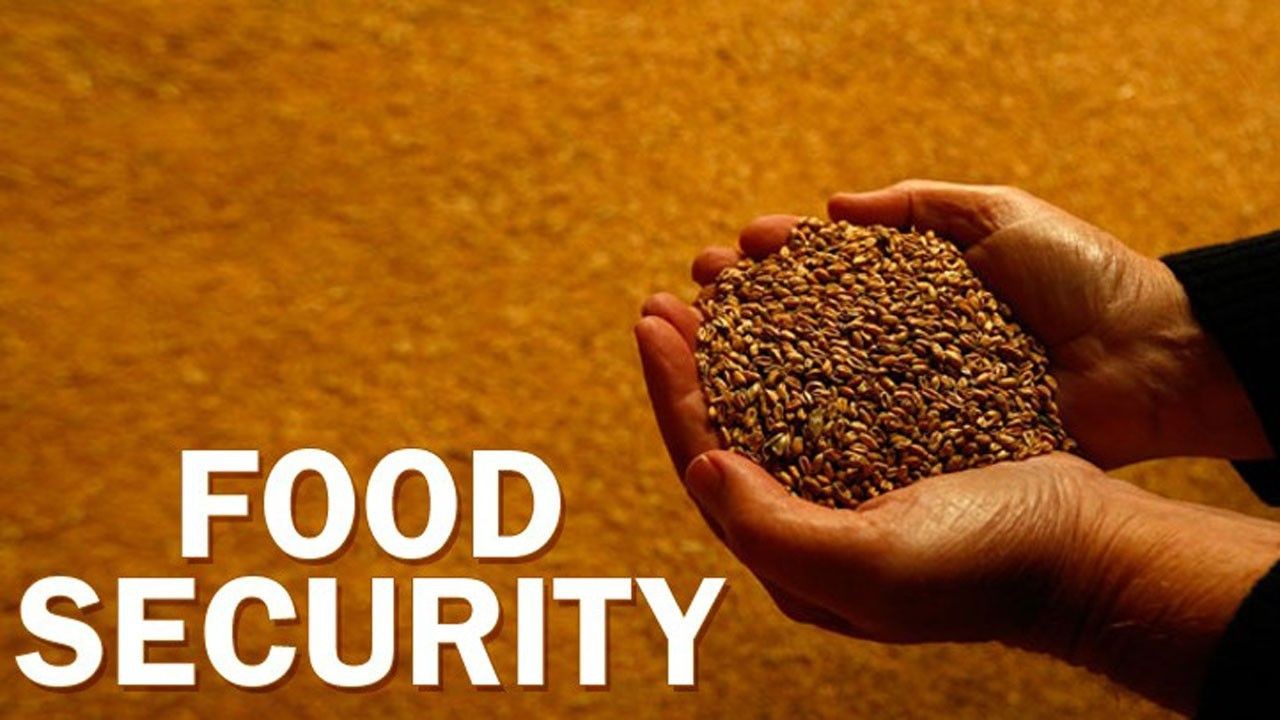
In a world where food security is becoming a pressing concern, New Zealand stands at the forefront of addressing this challenge through innovative practices and strategic policies. With an increasing global population and climate change impacting food production, New Zealand's approach offers valuable insights for both local and international stakeholders. This article delves into how New Zealand is tackling food security and what actionable steps can be taken to enhance this effort.
Understanding New Zealand's Approach to food security
New Zealand, known for its rich agricultural heritage, has made significant strides in ensuring food security. According to Stats NZ, the agriculture sector contributes approximately 7% to the nation's GDP, underscoring its critical role in the economy. With a focus on sustainable practices, New Zealand has implemented policies that promote efficient land use and reduce environmental impact. The Ministry for Primary Industries (MPI) has been pivotal in this effort, launching initiatives such as the Sustainable Food and Fibre Futures fund to support innovative projects that boost food production while preserving natural resources.
Pros and Cons of New Zealand's food security Strategy
While New Zealand's efforts in food security are commendable, they come with their own set of advantages and challenges.
✅ Pros:
- Innovative Agricultural Practices: New Zealand leads in adopting precision agriculture techniques, which increase crop yields by optimizing resource use.
- Strong Policy Support: Government policies, such as the Zero Carbon Act, promote sustainable farming practices, ensuring long-term food security.
- Global Export Opportunities: With a reputation for high-quality produce, New Zealand farmers have access to lucrative international markets, enhancing economic stability.
❌ Cons:
- Climate Vulnerability: As an island nation, New Zealand is susceptible to climate change impacts, which can disrupt food production.
- Resource Intensity: Modern farming techniques, while efficient, require significant capital investment, which can be a barrier for small-scale farmers.
- Biodiversity Concerns: Intensive farming practices may lead to biodiversity loss, impacting ecosystem services crucial for agriculture.
Case Study: Zespri International – A Kiwi Success Story
Zespri International, a world leader in kiwifruit production, exemplifies how New Zealand companies address food security challenges through innovation and sustainability.
Problem:
Zespri faced declining yields due to soil degradation and climate variability. The company needed to enhance production while maintaining environmental standards.
Action:
To tackle these challenges, Zespri adopted a comprehensive soil management program and invested in research to develop climate-resilient kiwifruit varieties. Collaborating with local scientists, they implemented techniques like cover cropping and organic amendments to improve soil health.
Result:
- Yield improvements of 20% over five years.
- Soil health metrics improved by 30%, reducing reliance on synthetic fertilizers.
- Expanded market share in Asia, increasing exports by 15%.
Takeaway:
This case study underscores the importance of sustainable innovation in enhancing food security. New Zealand businesses can adopt similar strategies to improve resilience against environmental challenges while securing economic gains.
Data-Driven Insights on New Zealand's food security Efforts
Recent data from the Reserve Bank of New Zealand highlights the increasing investment in agricultural technology, with a 35% rise in funding for agri-tech startups over the past year. This trend reflects a growing recognition of technology's role in addressing food security challenges. Additionally, a study by Massey University predicts that by 2030, precision agriculture could increase national food production by 25%, positioning New Zealand as a leader in sustainable food systems.
Common Myths and Misconceptions About food security in New Zealand
Despite New Zealand’s progress, several myths persist regarding food security.
Myth: "New Zealand's food security is solely dependent on agriculture."
Reality: While agriculture is a cornerstone, food security also relies on supply chain efficiency, technological innovation, and policy support. Diversified strategies are essential for resilience.
Myth: "Climate change will have minimal impact on NZ agriculture."
Reality: Research from Lincoln University indicates that climate change could reduce crop yields by up to 15% if adaptive measures are not implemented.
Key Mistakes to Avoid in Addressing food security
- Ignoring Technological Advances: Failing to integrate agri-tech can limit productivity. Solution: Leverage tools like FarmIQ for precision farming insights.
- Overlooking Biodiversity: Monoculture practices can harm ecosystems. Solution: Implement crop rotations and polyculture systems to enhance biodiversity.
- Underestimating Climate Impact: Lack of climate adaptation strategies can lead to crop failures. Solution: Utilize climate-smart agriculture techniques supported by MPI guidelines.
Future Trends in New Zealand's food security Landscape
The future of food security in New Zealand is poised for transformation, driven by technological advancements and policy shifts. According to a report by Deloitte, the integration of blockchain technology in supply chains could enhance traceability and reduce food waste by 30% by 2028. Additionally, the rise of urban agriculture and vertical farming is expected to supplement traditional food systems, providing fresh produce in urban centers with minimal environmental impact.
Final Takeaways
- Fact: New Zealand's agriculture sector is vital, contributing 7% to GDP.
- Strategy: Embrace precision agriculture to boost yields sustainably.
- Mistake to Avoid: Neglecting biodiversity can undermine food security efforts.
- Pro Tip: Invest in climate-resilient crops to safeguard against environmental changes.
As New Zealand continues to navigate the complexities of food security, the collective efforts of government, industry, and individuals will be crucial in building a resilient and sustainable food system. By embracing innovation and collaboration, New Zealand can set a global benchmark for food security, inspiring other nations to follow suit. What steps will you take to contribute to this vital cause? Share your thoughts and join the conversation on ensuring a secure food future for all.
People Also Ask
- How does food security impact New Zealand's economy? food security supports New Zealand's economy by sustaining the agricultural sector, which contributes 7% to GDP, and by enhancing export opportunities.
- What are the biggest misconceptions about food security in New Zealand? A common myth is that food security is solely agriculture-dependent. However, supply chain efficiency and technological integration are equally crucial.
- What are the best strategies for improving food security in New Zealand? Experts recommend adopting precision agriculture, investing in climate-resilient crops, and enhancing supply chain transparency for long-term success.
- What upcoming changes could affect food security in New Zealand? By 2028, blockchain integration in supply chains is predicted to enhance traceability and reduce food waste by 30%.
- Who benefits the most from enhanced food security measures? Farmers, consumers, and the economy benefit from improved food security, ensuring sustainable production and access to nutritious food.
Related Search Queries
- New Zealand food security strategies
- Precision agriculture in New Zealand
- Impact of climate change on NZ agriculture
- Blockchain in food supply chains
- Sustainable farming practices NZ
- food security challenges in New Zealand
- Future of agriculture in New Zealand
- Innovative farming techniques NZ
- New Zealand agriculture policy