





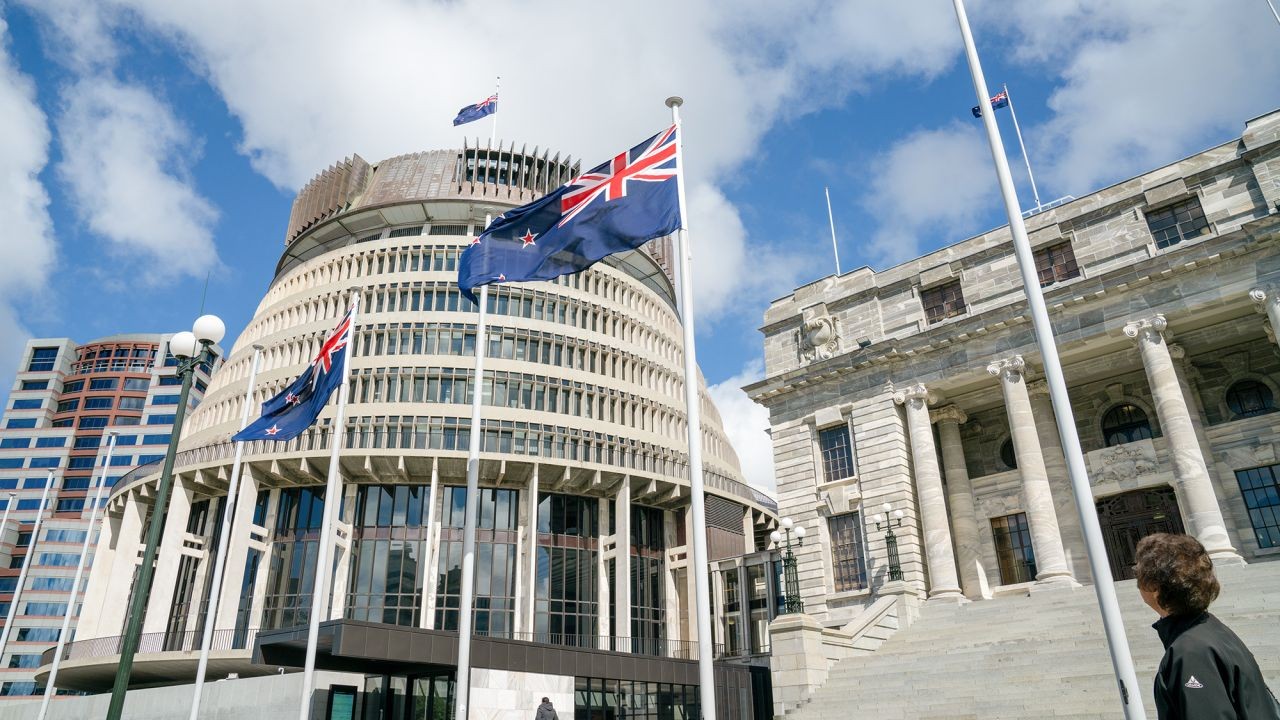
In the labyrinth of New Zealand's rich history, the Treaty of Waitangi stands as a cornerstone, shaping the political landscape and influencing economic policies. This foundational document, signed in 1840 between the British Crown and Māori chiefs, has been the subject of much debate. The Treaty not only established a framework for governance but also set the stage for future economic interactions and legislative developments. For financial advisors and investors, understanding its implications is crucial in navigating New Zealand's economic terrain.
The Treaty of Waitangi: A Historical Perspective
The Treaty of Waitangi was intended to ensure sovereignty for the British while protecting Māori interests. Yet, over the years, its interpretation has led to numerous challenges. The document's dual-language format has been a source of contention, with the English version emphasizing cession of sovereignty, while the Māori version promises chiefly authority over their lands and resources. This discrepancy has fueled ongoing debates about land rights and economic equity, impacting investment landscapes and property markets.
Case Study: The Impact on New Zealand's Forestry Industry
New Zealand's forestry industry serves as a prime example of the Treaty’s influence on economic policies. In the 1990s, settlements based on Treaty claims led to the transfer of significant forestry assets back to Māori ownership. This shift not only empowered Māori communities but also transformed the industry. According to a 2019 report by the Ministry for Primary Industries, Māori-owned forestry enterprises have grown by 25% annually since 2015, highlighting the economic potential unlocked by Treaty settlements.
Pros and Cons of the Treaty in Today's Economic Context
✅ Pros:
- Economic Empowerment: Treaty settlements have provided Māori with financial resources, fostering entrepreneurship and investment in various sectors.
- Cultural Preservation: The Treaty has ensured the protection of Māori culture, promoting tourism and cultural industries.
- Legal Framework: It provides a basis for resolving historical grievances, thereby stabilizing economic and political environments.
- International Relations: The Treaty strengthens New Zealand’s reputation as a nation committed to indigenous rights, enhancing its global standing.
❌ Cons:
- Interpretation Disputes: Differing interpretations of the Treaty often lead to legal challenges, creating uncertainty in land and resource investments.
- Economic Disparity: Despite settlements, significant economic disparities between Māori and non-Māori persist, affecting social cohesion.
- Complex Negotiations: Settlements can be lengthy and complex, delaying economic benefits.
- Resource Allocation: The focus on settlements can divert resources from other economic development initiatives.
Data-Driven Insights: New Zealand's Economic Landscape
According to Stats NZ, Māori enterprises contribute significantly to the economy, generating $1.9 billion in GDP as of 2020. This economic clout underscores the importance of Māori businesses as key players in New Zealand's economic future. Additionally, the Reserve Bank of New Zealand highlights that inclusive growth policies, inspired by Treaty principles, are pivotal in addressing national economic challenges.
Contrasting Viewpoints: A Balanced Debate
While advocates argue that the Treaty fosters economic inclusion and cultural preservation, critics highlight its role in perpetuating legal and economic uncertainties. For instance, the ongoing debate over water rights illustrates the tension between economic development and Treaty obligations. A proposed middle ground involves collaborative governance models that integrate Māori perspectives into national policy-making, aligning economic growth with cultural values.
Common Myths and Mistakes
Myth vs. Reality
- Myth: "The Treaty solely benefits Māori communities."
- Reality: The Treaty’s principles underpin broader economic policies that benefit all New Zealanders by promoting social justice and stability.
- Myth: "Treaty settlements are a financial burden on New Zealand."
- Reality: Settlements have stimulated economic growth and development, as evidenced by the rise in Māori enterprise contributions to GDP.
Future Trends and Predictions
Looking ahead, the integration of Māori values into economic policies is expected to shape New Zealand's future. A report by Deloitte predicts that by 2030, Māori enterprises will account for over 5% of GDP, driven by sectors like tourism, agriculture, and digital innovation. Furthermore, sustainable practices rooted in indigenous knowledge are likely to become mainstream, aligning with global trends towards environmental stewardship.
Conclusion: Final Takeaways & Call to Action
The Treaty of Waitangi continues to be a dynamic force in shaping New Zealand’s socio-economic landscape. For financial advisors, understanding its implications is crucial in guiding investments and navigating opportunities within Māori enterprises. As New Zealand progresses, embracing the Treaty’s principles can lead to a more inclusive and sustainable economic future.
Are you ready to explore investment opportunities in Māori enterprises? Share your insights and join the conversation on how the Treaty of Waitangi influences New Zealand's economy.
People Also Ask (FAQ)
- How does the Treaty of Waitangi impact businesses in New Zealand? Māori enterprises, bolstered by Treaty settlements, contribute significantly to the economy, promoting inclusive growth.
- What are the biggest misconceptions about the Treaty of Waitangi? One myth is that it solely benefits Māori, but it underpins policies that benefit all New Zealanders.
Related Search Queries
- Treaty of Waitangi economic impact
- Māori businesses in New Zealand
- New Zealand economic policies
- Treaty settlements and GDP
- Future of Māori enterprises