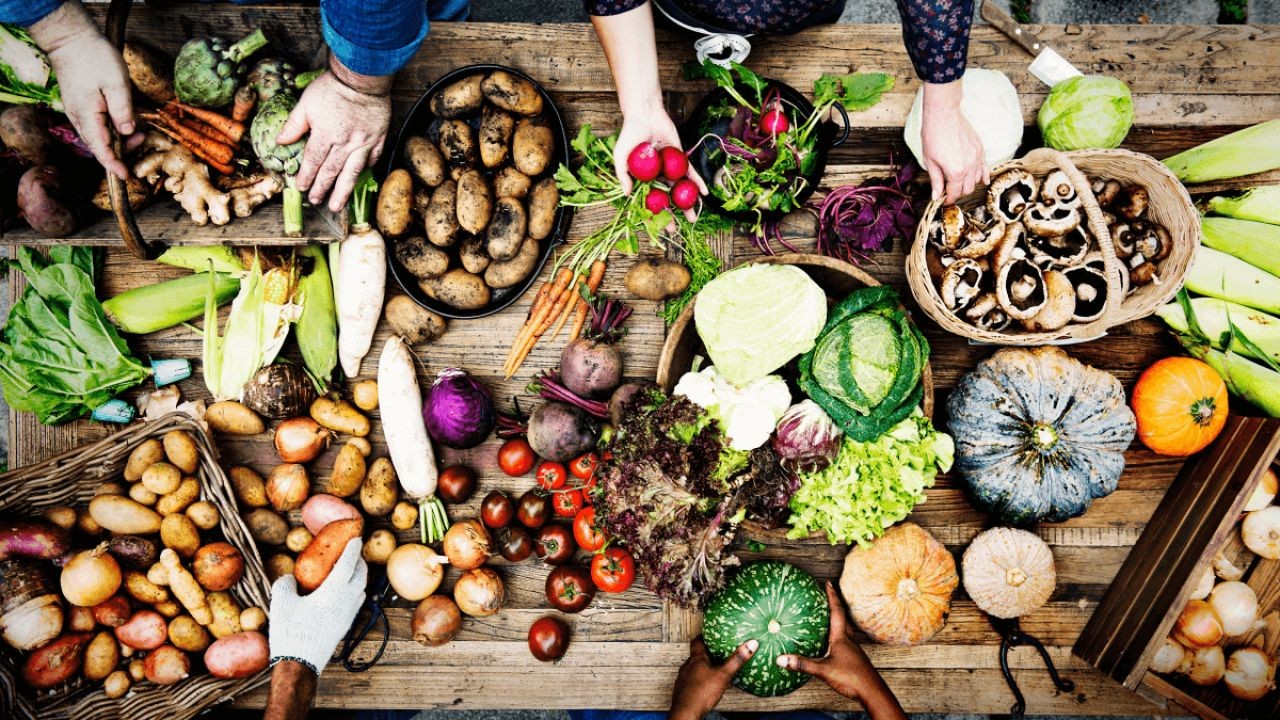







The serene landscapes of New Zealand, dotted with lush green pastures and grazing livestock, have long been the hallmark of its agricultural identity. Yet, beneath this bucolic facade lies a robust and dynamic sector, constantly evolving to meet the challenges of modernity. As the world grapples with climate change, population growth, and technological advancements, New Zealand finds itself at the crossroads of tradition and innovation in farming.
Exploring the Agricultural Landscape of New Zealand
New Zealand’s agriculture has been the backbone of its economy, contributing significantly to its GDP. According to Stats NZ, the agricultural sector accounted for about 5% of the national GDP in 2022, a testament to its enduring importance. However, this traditional sector faces modern challenges such as environmental sustainability, global competition, and changing consumer preferences.
Traditional Farming: A Legacy Under Pressure
New Zealand’s agricultural sector has historically relied on its rich natural resources. With fertile soil, ample rainfall, and temperate climate, traditional farming practices have thrived. However, these methods are increasingly under scrutiny. Environmental pressures, such as soil degradation and water scarcity, are prompting a reevaluation of practices that have been in place for decades.
Moreover, consumer demand is shifting toward sustainable and ethically produced food. This change is reflected in the rising popularity of organic and regenerative farming practices, which emphasize soil health and biodiversity. Farmers are thus caught in a balancing act, striving to maintain productivity while reducing their environmental footprint.
Embracing Innovation: The New Frontier in Farming
To address these challenges, New Zealand is increasingly turning to innovation. The integration of technology into agriculture—often termed as AgTech—is transforming how farms operate. From precision farming to genetically modified crops, innovation is driving efficiency and sustainability.
Precision Agriculture: Technology Meets Tradition
Precision agriculture involves using technology to monitor and manage the variability of crops. By employing GPS technology, drones, and IoT devices, farmers can optimize field-level management regarding crop farming. This approach not only enhances productivity but also minimizes waste. According to a report by the Ministry of Business, Innovation, and Employment (MBIE), precision agriculture can increase farm yields by up to 30% while reducing inputs like water and fertilizers by 10-20%.
A real-world example is the use of drones by Fonterra, a leading dairy cooperative in New Zealand. By deploying drones equipped with sensors, Fonterra can gather data on pasture conditions, enabling better grazing management and reducing environmental impact.
Biotechnology: The Power of Genetics
Biotechnology is another frontier where New Zealand is making strides. Genetic modification and selective breeding are employed to develop crops that are more resilient to pests, diseases, and climate change. These innovations are crucial for maintaining food security in the face of environmental challenges.
Lincoln University researchers are at the forefront of developing genetically modified ryegrass that can significantly reduce methane emissions from livestock, a major contributor to greenhouse gases. This breakthrough has the potential to transform the livestock industry, making it more environmentally friendly.
Data-Driven Insights: The Role of Analytics in Modern Farming
Data analytics plays a crucial role in modern farming practices. By analyzing data collected from various sources—weather patterns, soil conditions, crop yields—farmers can make informed decisions that enhance efficiency and productivity. The Reserve Bank of New Zealand highlights the growing importance of data-driven decision-making in agriculture, projecting a 15% increase in productivity by 2027 through data analytics alone.
Case Study: Zespri—Leveraging Data for Global Success
Problem:
Zespri, a leading kiwifruit company, faced the challenge of optimizing its supply chain to meet global demand while maintaining quality.
Action:
To address this, Zespri implemented a comprehensive data analytics system that monitored every stage of production, from planting to packaging. This system enabled them to predict harvest times accurately, optimize logistics, and reduce waste.
Result:
As a result, Zespri increased their supply chain efficiency by 25%, reduced waste by 15%, and saw a 20% increase in market share over three years.
Takeaway:
This case study underscores the potential of data analytics to drive efficiency and competitiveness in New Zealand's agricultural sector. Other businesses can apply similar strategies to improve their operations and market positioning.
Challenges and Opportunities: Navigating the Agricultural Shift
While innovation presents numerous opportunities, it also poses challenges. The initial investment in technology can be prohibitive for some farmers, and the rapid pace of change can be overwhelming. Moreover, there is a need for skilled personnel to manage these new technologies, which is not always available in rural areas.
Pros vs. Cons of AgTech Adoption
Pros:
- Increased Efficiency: AgTech solutions can significantly boost productivity while reducing resource usage.
- Environmental Benefits: Precision agriculture reduces chemical inputs, benefiting the environment.
- Market Competitiveness: Innovative practices can give farmers a competitive edge in global markets.
Cons:
- High Initial Costs: The cost of implementing new technologies can be a barrier for small-scale farmers.
- Skill Shortages: There is a lack of skilled personnel to manage and maintain these technologies.
- Data Privacy Concerns: The collection and use of data raise privacy issues that need to be addressed.
Common Myths & Mistakes in New Zealand Farming
Myth vs. Reality
Myth: "Traditional farming methods are sufficient for future challenges."
Reality: With environmental changes and market demands, innovation is essential for sustainability and competitiveness. According to the University of Auckland, farms adopting innovative practices see a 20% increase in sustainability metrics.
Myth: "AgTech is only for large farms."
Reality: Small farms can greatly benefit from precision agriculture and data analytics, often seeing ROI within the first two years (Source: AgResearch NZ).
Biggest Mistakes to Avoid
- Ignoring Market Trends: Failing to adapt to consumer trends can lead to decreased demand and profitability. Solution: Regularly review market reports and consumer preferences.
- Underestimating Environmental Impact: Neglecting sustainability can lead to regulatory penalties and market exclusion. Solution: Implement eco-friendly practices and stay informed about regulations.
- Overlooking Data Security: Failing to protect farm data can result in breaches and financial loss. Solution: Use robust cybersecurity measures and regularly update software.
Future Trends & Predictions in New Zealand Farming
Looking ahead, the future of farming in New Zealand will likely be shaped by a blend of tradition and innovation. By 2030, it is predicted that more than 50% of farms will integrate advanced technologies like AI and robotics, enhancing productivity and sustainability (Source: NZTech Report 2024). Moreover, policies aimed at reducing carbon emissions will drive the adoption of eco-friendly practices across the sector.
Conclusion: Final Takeaway & Call to Action
New Zealand's agricultural sector stands at a pivotal moment, where the integration of innovation with traditional practices holds the key to future success. By embracing technology and sustainability, farmers can not only overcome current challenges but also position themselves as leaders in the global agricultural market.
For financial advisors and industry stakeholders, the message is clear: investing in the agricultural sector's innovation capabilities presents a promising opportunity for growth and impact. Engage with local farmers, explore technological partnerships, and support policies that foster innovation.
What’s your take on the future of farming in New Zealand? Share your insights below and join the conversation!
People Also Ask (FAQ)
- How does innovation impact farming in New Zealand? Innovation in farming enhances productivity and sustainability, helping New Zealand farms meet global demand while reducing environmental impact.
- What are common misconceptions about New Zealand farming? One common myth is that traditional methods are sufficient. However, innovation is crucial for addressing modern challenges.
- What strategies can New Zealand farmers use to innovate? Farmers can adopt precision agriculture, data analytics, and biotechnology to improve efficiency and sustainability.
- Who benefits the most from agricultural innovation? Both small and large-scale farmers benefit, along with consumers who gain access to sustainable, high-quality produce.
- What future trends will shape New Zealand agriculture? Integration of AI and robotics, along with eco-friendly practices, will redefine farming by 2030, according to NZTech.
Related Search Queries
- New Zealand agriculture innovation
- Farming technology in NZ
- AgTech trends in New Zealand
- Precision agriculture benefits
- Sustainable farming practices in NZ
- Future of New Zealand farming
- Data analytics in agriculture
- Biotechnology in farming
- Environmental impact of farming in NZ
- Traditional vs. modern farming methods