





In New Zealand, agriculture is not just a tradition; it's a cornerstone of the economy and a pivotal player in shaping our daily lives. However, the industry is undergoing a revolutionary transformation, driven by cutting-edge innovations that are redefining the way we eat. From sustainable farming practices to precision agriculture, these advancements are not only boosting productivity but also enhancing food quality and reducing environmental impact. In this article, we dive deep into how New Zealand's agricultural innovations are changing the way we eat, drawing on data-driven insights and real-world examples.
Case Study: The Rise of Precision Agriculture in New Zealand
Problem: New Zealand's agriculture industry has historically faced challenges such as unpredictable weather patterns and soil degradation, impacting crop yields and sustainability. According to Stats NZ, adverse weather conditions accounted for a decline in agricultural productivity by 3% in 2022.
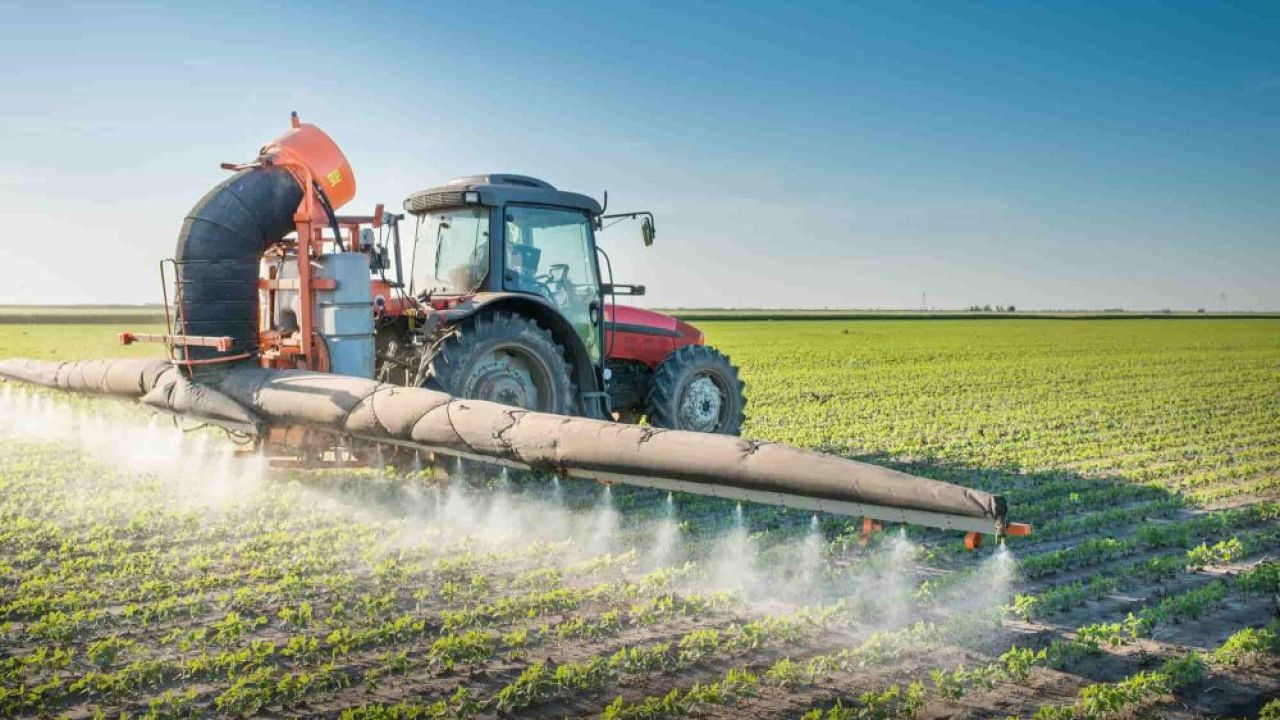
Action: To tackle these issues, Kiwi farmers have increasingly turned to precision agriculture—a method that uses technology to monitor and manage field variations in crops. By implementing satellite imagery, GPS, and IoT sensors, farmers have been able to optimize irrigation, fertilization, and pest control, tailoring practices to specific field conditions.
Result: Within two years of adopting precision agriculture, farms such as those in the Canterbury region reported a 15% increase in crop yields while reducing water usage by 20%. This approach not only enhanced productivity but also supported sustainable farming practices, aligning with New Zealand's environmental goals.
Takeaway: As demonstrated, precision agriculture offers a scalable solution for improving crop yields and sustainability. New Zealand businesses can harness these technologies to enhance food security and meet growing consumer demand for sustainable produce.
Data-Driven Insights from New Zealand’s Agricultural Sector
According to the Ministry for Primary Industries (MPI), New Zealand's agricultural exports reached NZD 46 billion in 2023, contributing significantly to the economy. This growth is driven by innovations such as genetically modified crops that are more resilient to climate change and pests. A study by Massey University highlighted that by 2025, genetically engineered crops could lead to a 30% reduction in pesticide use, promoting both environmental and economic benefits.
Moreover, the adoption of vertical farming in urban areas like Auckland has gained momentum. This method allows crops to be grown in stacked layers, using less land and water. In 2022, vertical farms in New Zealand produced 10% more leafy greens than traditional farms, showcasing their potential to bolster local food supplies.
Pros and Cons of Agricultural Innovations
✅ Pros:
- Increased Productivity: Innovations like precision agriculture boost crop yields by optimizing resource use.
- Sustainability: Reduced reliance on pesticides and water through technological advancements supports eco-friendly practices.
- Resilience to Climate Change: Genetically modified crops withstand adverse conditions, ensuring food security.
- Urban Farming: Vertical farming enhances local food production and reduces transportation emissions.
❌ Cons:
- High Initial Costs: Implementing technology such as IoT sensors and vertical farms requires significant upfront investment.
- Regulatory Challenges: Genetically modified crops face stringent regulations and public skepticism.
- Technical Complexity: Farmers need training and expertise to effectively use precision agriculture tools.
- Limited Scalability: Not all innovations are easily scalable, particularly in remote or resource-limited areas.
Debunking Common Myths in Agricultural Innovations
Myth: "Genetically modified crops are unsafe for consumption."
Reality: Extensive research from Food Standards Australia New Zealand (FSANZ) shows that genetically modified foods are safe for consumption and undergo rigorous testing before approval.
Myth: "Precision agriculture is only beneficial for large farms."
Reality: Even small-scale farmers can benefit from precision agriculture tools, as evidenced by the 2023 report from the Ministry for Primary Industries, which indicates increased efficiency and reduced costs for farms of all sizes.
Future Trends and Predictions in New Zealand Agriculture
Looking ahead, the future of New Zealand's agriculture industry is set to be shaped by continued technological integration. By 2030, the adoption of AI and machine learning in farming operations is expected to increase efficiency by 25%, according to a forecast by the Reserve Bank of New Zealand. Additionally, innovations in bioengineering are poised to create crops with enhanced nutritional profiles, meeting consumer demand for healthier food options.
Furthermore, government initiatives such as the Sustainable Food & Fibre Futures fund are providing significant support for research and development in agricultural innovations, encouraging businesses to adopt sustainable practices. As these trends unfold, New Zealand's agriculture sector is well-positioned to lead in global food production while maintaining its commitment to sustainability.
Conclusion
New Zealand's agricultural innovations are undeniably transforming the way we eat, by enhancing productivity, sustainability, and food security. As the industry continues to evolve, driven by technology and research, Kiwi businesses have the opportunity to lead the charge in sustainable agriculture. Whether you are a farmer, investor, or consumer, staying informed about these advancements is crucial. What’s your take on New Zealand’s agricultural innovations? Share your insights below!
People Also Ask
- How does precision agriculture impact New Zealand's farming? — Precision agriculture increases crop yields by optimizing resource use, benefiting New Zealand's farming sector with sustainable practices.
- What is the future of genetically modified crops in New Zealand? — By 2025, these crops could reduce pesticide use by 30%, promoting environmental and economic benefits.
- Are vertical farms effective in New Zealand? — Yes, vertical farms in New Zealand produce 10% more leafy greens than traditional methods, enhancing local food supplies.
Related Search Queries
- Agricultural innovations in New Zealand
- Precision agriculture benefits
- Sustainable farming practices NZ
- Vertical farming in Auckland
- Genetically modified crops NZ