


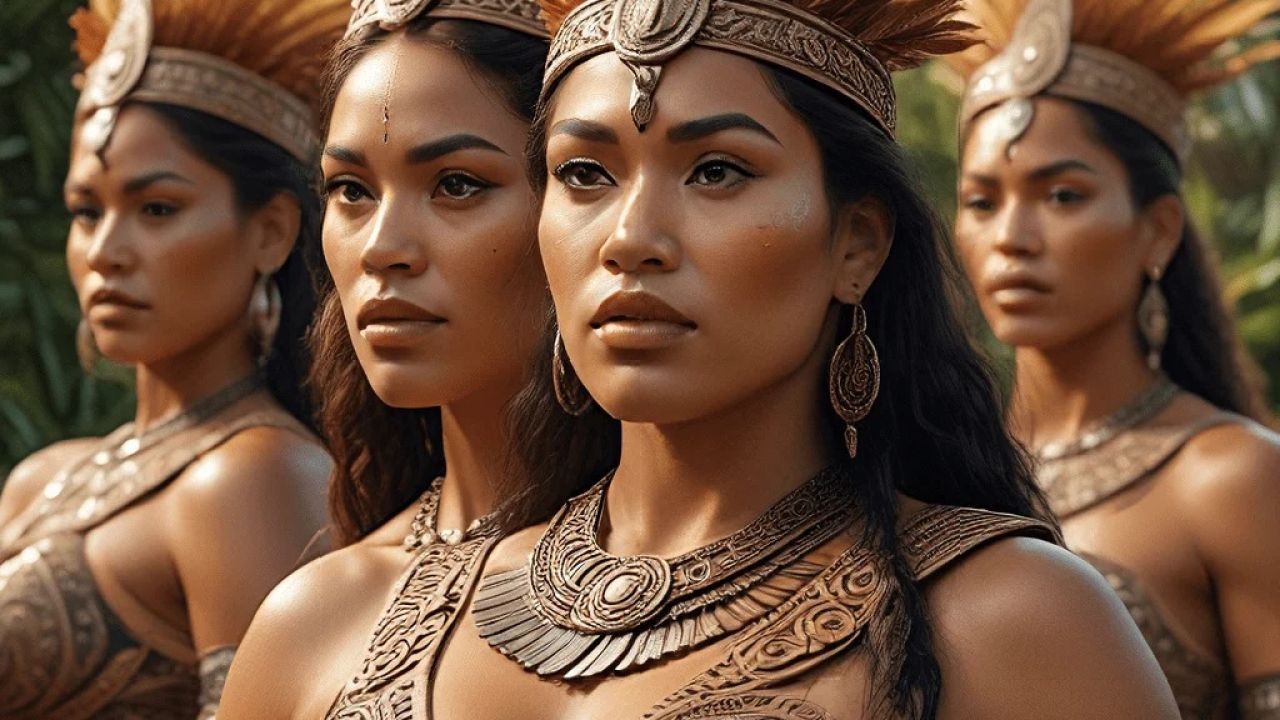
New Zealand’s Māori culture is one of the country’s most powerful attractions. Visitors flock to experience the vibrant traditions of the marae — the communal meeting grounds — watch haka performances, and buy Māori-inspired art and souvenirs from motels and gift shops. Yet, behind this commercial success lies a troubling reality: the communities that have preserved and nurtured these traditions rarely receive their fair share of the profits.
Tourism has transformed Māori culture into a marketable commodity, repackaged to appeal to international visitors seeking “authentic” cultural experiences. In hotspots like Rotorua and Queenstown, this commodification often reduces sacred practices to performances, art to decoration, and language to catchy slogans — all without addressing the socio-economic challenges facing many Māori communities, including housing insecurity and economic marginalization.
This article dives into the complicated relationship between Māori cultural expression and the tourism industry. It examines how cultural heritage is extracted and commercialized, the impact on Māori identity and wellbeing, and the urgent need for tourism models that prioritize respect, partnership, and fair compensation.
By shining a light on this imbalance, we aim to foster greater awareness and encourage a more ethical, sustainable approach to Māori cultural tourism in Aotearoa.
1. From Marae to Motel: The Journey of Māori Culture in Tourism
Māori culture, with its rich history and vibrant traditions, has long been a cornerstone of New Zealand’s identity and a major draw for international tourists. Central to this cultural tapestry is the marae — the sacred communal space where whānau (families) gather for ceremonies, storytelling, and the passing down of traditions. The marae is a place of deep spiritual and social significance, embodying the values, whakapapa (genealogy), and tikanga (customs) of Māori communities.
Over recent decades, however, Māori culture has increasingly journeyed beyond these traditional spaces into the world of tourism, sometimes in ways that raise serious concerns. From immersive cultural experiences at marae to the sale of Māori-themed merchandise in motels and souvenir shops, the cultural expressions that once belonged exclusively to Māori communities are now packaged and sold to visitors in Rotorua, Queenstown, and other tourism hubs.
This journey—from marae to motel—is more than just a physical transition; it reflects a broader shift in how Māori culture is perceived and treated. The sacred becomes spectacle, and cultural heritage becomes a commercial product. While this transformation has helped popularize and preserve certain traditions on a global scale, it also opens the door to exploitation and commodification.
In tourism hotspots like Rotorua, known for its geothermal wonders and cultural shows, Māori art, language, and performances are featured prominently in visitor packages. Queenstown, famous for adventure tourism, also incorporates Māori cultural elements, albeit often more superficially, to enhance the visitor experience. Yet despite the widespread use of Māori culture to attract tourists, many Māori communities report minimal financial benefit or control over how their culture is portrayed.
The commercialization of Māori culture in these contexts raises pressing questions: Who profits from these cultural products? Are the cultural protocols and sacred meanings respected? And crucially, does this commodification help or hinder Māori social and economic wellbeing?
This section sets the stage for understanding the complex interplay between cultural expression and commercial extraction. It introduces the core tension that will be explored in depth: Māori culture as a living heritage and identity versus Māori culture as a consumable product for tourism.
2. The Historical Context of Māori Culture and Tourism
To fully grasp how Māori culture is commodified today, it’s essential to understand its deep roots and the complex history behind its relationship with tourism.
Māori culture, with its origins stretching back over a thousand years in Aotearoa (New Zealand), is a living, evolving heritage. Central elements like the haka (ceremonial dance), whakairo (carving), kapa haka (performance arts), and te reo Māori (the Māori language) are more than mere cultural symbols — they are expressions of whakapapa (genealogy), spirituality, and social values.
European colonization in the 19th century introduced massive disruptions, including land loss, suppression of language, and cultural marginalization. Despite these challenges, Māori communities have shown remarkable resilience. The late 20th century saw a cultural renaissance, with renewed emphasis on revitalizing te reo Māori and reclaiming tikanga (customs).
Tourism emerged alongside these changes as a double-edged sword. From early visitor interest in Māori villages and performances in the mid-1900s to the rise of cultural tourism in Rotorua by the 1960s, Māori culture became a prominent feature of New Zealand’s tourism marketing. International visitors were captivated by the “exotic” and “authentic” experiences offered by marae visits, hangi (earth oven) feasts, and kapa haka shows.
However, this early tourism development often commodified Māori culture in simplistic ways, framing it as a static tradition frozen in time rather than a dynamic, living culture. Māori involvement was frequently limited to performance roles, with decision-making and profits controlled by non-Māori operators or government bodies.
Over time, Māori leaders and communities have worked to reclaim control and representation, creating iwi-owned (tribally owned) tourism ventures that reflect their values and stories. Yet, despite progress, the shadow of commodification and cultural exploitation persists — particularly where tourism operates without genuine Māori partnership or fair benefit-sharing.
This historical context sets the foundation to explore today’s tourism industry, where Māori culture continues to be both a source of pride and a contested commodity in places like Rotorua and Queenstown.
3. The Commodification of Māori Art and Language in Tourism
Māori art and language are among the most visible and marketable aspects of New Zealand’s indigenous culture. From intricate wood carvings and woven flax crafts to te reo Māori phrases printed on t-shirts and souvenirs, these cultural elements have become ubiquitous symbols sold and displayed throughout tourist hubs.
However, this widespread use often crosses into commodification—transforming sacred and significant cultural expressions into commercial products designed primarily for tourist consumption. This process raises critical concerns about ownership, respect, and fairness.
Art Without Authority
Traditional Māori art forms like whakairo (carving) and raranga (weaving) are deeply symbolic, reflecting tribal histories, spiritual beliefs, and ancestral connections. When these art forms are mass-produced or replicated without involvement or approval from the originating iwi (tribe), they lose context and risk being devalued as mere decoration.
Tourist shops and motels in places like Rotorua frequently sell Māori-style carvings or jewelry crafted by non-Māori artisans, often without acknowledging or compensating the communities to whom these designs belong. This practice not only deprives Māori artists of income but also dilutes the cultural significance embedded in the work.
Language as a Brand
Te reo Māori, the Māori language, has experienced a remarkable revival in recent decades and is now an official language of New Zealand. Despite this progress, its use in tourism marketing often veers towards tokenism or commercial branding. Māori words and phrases are plastered on merchandise or used in advertising slogans, sometimes inaccurately or out of context.
Such appropriation risks reducing te reo Māori to a marketing tool rather than a living language that connects people to identity, history, and tikanga. More importantly, Māori communities seldom see direct benefits from the commercial use of their language.
The Missing Financial Link
Perhaps the most pressing issue is the lack of fair financial returns to Māori communities from this commodification. While tourism operators and retailers generate significant profits by leveraging Māori art and language, these profits rarely trickle back to the rightful cultural owners.
This disconnect fuels frustration and a sense of cultural exploitation. Māori leaders argue that if their culture is used as a selling point, then communities must be partners in decision-making and share in the economic rewards. Without this, tourism risks perpetuating colonial patterns of extraction and marginalization under the guise of cultural celebration.
4. Case Study: Rotorua — The “Cultural Capital” and Its Complexities
Rotorua, situated on New Zealand’s North Island, is often called the “cultural capital” of Māori tourism. Known for its geothermal wonders, traditional marae experiences, and kapa haka performances, Rotorua attracts hundreds of thousands of visitors eager to immerse themselves in Māori culture.
The Marae Experience
Many tourists flock to marae-based cultural centers, where they witness pōwhiri (welcome ceremonies), traditional songs, dances like the haka, and enjoy hangi feasts cooked in earth ovens. These experiences are marketed as authentic windows into Māori life and values.
However, the commercialization of these cultural practices has sparked debate. For some, the tourism-driven marae visits provide vital economic opportunities, creating jobs and funding community projects. For others, the staging of sacred ceremonies for tourists can feel like a hollowing out of spiritual meaning, reducing living culture to performance.
Economic Benefits vs Cultural Dilution
While Rotorua’s tourism industry generates significant revenue, much of it is captured by large operators or non-Māori businesses. Many Māori communities see only a small portion of profits, even as their cultural practices are central to the experience. This imbalance highlights ongoing issues around cultural ownership and economic equity.
Furthermore, there is concern over how Māori culture is represented to visitors. Simplified or sanitized versions of traditions are sometimes presented to meet tourist expectations, which can lead to misunderstandings or stereotyping.
Community Perspectives
Some Rotorua iwi (tribes) have taken steps to regain control by developing iwi-owned tourism ventures that prioritize authentic storytelling and community wellbeing. These enterprises aim to balance economic development with respect for tikanga and cultural integrity.
Yet, the struggle continues to ensure that tourism in Rotorua uplifts Māori people socially and economically rather than just profiting off their culture.
5. Case Study: Queenstown — Adventure Tourism Meets Cultural Appropriation
Unlike Rotorua, which is renowned for its cultural tourism, Queenstown is primarily known as New Zealand’s adventure tourism capital. However, in recent years, Māori culture has been woven into Queenstown’s tourism fabric — sometimes superficially — to enrich the visitor experience.
Cultural Elements in a Thrill-Seeker’s Playground
From Māori-inspired design motifs in hotels and motels to brief cultural performances offered as part of tour packages, Māori culture in Queenstown often takes a backseat to adrenaline-fueled activities like bungee jumping, skiing, and jet boating.
While these cultural elements add unique flavor and appeal to tourists, they can also risk being tokenistic. Unlike Rotorua, where Māori culture is often the main attraction, in Queenstown it frequently serves as decorative or “exotic” background, disconnected from the living communities.
Commodification without Connection
Many Māori cultural displays in Queenstown are run by non-Māori operators, and the profits rarely flow back to local iwi. This disconnect highlights the broader problem of cultural appropriation, where indigenous culture is used without meaningful involvement or benefit for its custodians.
Souvenir shops and motels sell Māori-themed merchandise, but such products often lack authenticity or tribal attribution. This kind of commodification reduces Māori culture to a marketable aesthetic, stripping away its deeper meanings and significance.
Impact on Māori Identity and Community
For Māori living in or near Queenstown, this superficial use of their culture can feel like a form of invisibility — where their heritage is showcased but their voices and rights are sidelined. It also raises questions about how indigenous culture should be respected and represented in tourism environments that prioritize commercial gain.
6. The Tension Between Cultural Expression and Commercial Extraction
At the heart of the relationship between Māori culture and tourism lies a fundamental tension: the desire to celebrate and share rich cultural traditions versus the risk of those traditions being exploited for commercial gain.
Cultural Expression: A Living, Sacred Practice
For Māori, culture is not a static museum piece but a living, evolving expression of identity, history, and spirituality. Practices such as haka, waiata (songs), carving, and the use of te reo Māori carry deep meanings and are embedded in tikanga — the customs and protocols that govern their use and transmission.
Sharing culture with visitors can be a source of pride and a means of educating others about Māori heritage. When done respectfully and collaboratively, tourism can support the revitalization of language and arts, strengthen community bonds, and create economic opportunities.
Commercial Extraction: When Culture Becomes Commodity
However, when cultural elements are extracted and repackaged primarily as products or entertainment for tourists, this process can strip them of context, significance, and control. The transformation of sacred ceremonies into performances, of ancestral art into souvenirs, can feel like cultural theft rather than cultural sharing.
This commodification often results in financial benefits disproportionately accruing to non-Māori businesses, while Māori communities bear the cultural and social costs. It perpetuates colonial dynamics where indigenous culture is consumed without consent or fair compensation.
The Consequences of This Tension
The clash between cultural expression and commercial extraction impacts Māori identity and wellbeing. It can cause community frustration, loss of cultural integrity, and feelings of marginalization. Moreover, it risks creating a superficial or stereotyped version of Māori culture in the eyes of tourists, undermining genuine understanding and respect.
Recognizing and addressing this tension is crucial for developing tourism models that honor Māori sovereignty over their culture and ensure economic justice.
7. Māori Perspectives: Voices from the Community
To truly understand the impact of tourism’s commodification of Māori culture, it is essential to listen to the voices of Māori themselves — the cultural custodians, artists, leaders, and scholars who live these issues daily.
Cultural Custodians Speak Out
Many Māori leaders emphasize that culture is taonga (a treasure) that must be protected from exploitation. They highlight the importance of manaakitanga (hospitality and respect) not just towards visitors, but towards the culture itself, which requires consent and partnership in how it is shared.
For example, Ngāti Whakaue elder and cultural advisor in Rotorua, Dame Anahera Morehu, has spoken about the dangers of reducing haka and other traditions to mere tourist spectacles, urging for respectful engagement that honors tikanga and the mana of the people.
Artists Demand Recognition and Fair Compensation
Māori artists often express frustration at the widespread copying or misrepresentation of their work without acknowledgment or payment. Renowned carver Rangi Kipa has called for stronger protections of Māori intellectual property rights and greater support for Māori creators to thrive economically from their art.
Scholars Highlight the Need for Sovereignty
Academics such as Dr. Ngahuia Te Awekotuku stress that cultural sovereignty must be central to tourism. This means Māori communities must have control over how their culture is presented, ensuring accuracy, respect, and equitable benefit sharing.
The Housing Crisis: A Stark Contrast
Many Māori voices also draw attention to the glaring contrast between the commercial use of their culture and the ongoing housing crisis affecting Māori families. The profits generated from Māori culture in tourism rarely translate into solutions for social challenges, highlighting a critical gap between cultural commodification and community wellbeing.
8. Legal and Ethical Considerations
The exploitation of Māori culture in tourism raises important legal and ethical questions around intellectual property, cultural rights, and responsible business practices.
Intellectual Property and Māori Cultural Heritage
New Zealand law recognizes intellectual property rights, but these frameworks often struggle to adequately protect indigenous cultural expressions. Traditional Māori knowledge, symbols, and art forms do not fit neatly into Western legal categories of copyright or trademark, which typically require individual authorship and fixed works.
Efforts have been made to establish legal protections for Māori cultural heritage, such as the Te Ture Whenua Māori Act 1993 (Māori Land Act) and principles embedded in the Treaty of Waitangi that affirm Māori rights to their culture and resources. However, there remain significant gaps, especially regarding commercial exploitation by non-Māori entities.
Ethical Tourism and Cultural Protocols
Beyond legal considerations, ethical tourism demands respect for cultural protocols (tikanga) and meaningful partnerships with Māori communities. Tourism operators should seek free, prior, and informed consent before using Māori cultural elements, ensuring accurate representation and shared decision-making.
The concept of kaitiakitanga — guardianship and stewardship — encourages sustainable and respectful use of cultural resources, emphasizing long-term community wellbeing over short-term profit.
Industry Guidelines and Best Practices
Several initiatives promote responsible Māori cultural tourism, including accreditation programs and guidelines developed in partnership with iwi and tourism bodies. These seek to balance visitor experience with cultural integrity and fair economic returns.
However, enforcement and awareness remain challenges, and many operators still engage in exploitative practices without accountability.
9. Solutions and Alternatives: Towards a Just and Sustainable Cultural Tourism
Addressing the exploitation of Māori culture in tourism requires intentional efforts to build models that prioritize respect, partnership, and fairness. Fortunately, several promising approaches are emerging across New Zealand.
Māori-Led Tourism Enterprises
One of the most effective ways to ensure cultural integrity and economic benefit is through Māori-owned and operated tourism ventures. These businesses maintain control over how their culture is presented and ensure that profits support community development.
Examples include iwi-run cultural centers in Rotorua, where visitors engage with authentic stories and participate in ceremonies led by Māori hosts. These enterprises often reinvest earnings into language revitalization, housing projects, and education.
Co-Management and Partnerships
Collaborative partnerships between Māori communities and tourism operators can foster shared governance and decision-making. Such arrangements respect Māori sovereignty while leveraging tourism expertise to create meaningful experiences.
Government agencies and tourism bodies also have a role in supporting these partnerships through funding, training, and policy frameworks that encourage equitable practices.
Consumer Education and Ethical Travel
Tourists themselves wield influence by choosing operators committed to respectful engagement and supporting Māori-led experiences. Increasing public awareness about cultural appropriation and ethical tourism can shift demand towards more responsible options.
Campaigns promoting “manaakitanga” tourism encourage visitors to approach Māori culture with respect, openness, and a desire to learn rather than simply consume.
Policy Reform and Legal Protections
Strengthening legal protections for Māori cultural intellectual property is crucial. Advocates call for frameworks that recognize collective ownership and provide mechanisms to prevent unauthorized use.
Integrating cultural rights into broader tourism policy will help align economic growth with indigenous wellbeing.
10. Conclusion: Reconciling Tourism and Māori Cultural Sovereignty
The journey of Māori culture from the sacred marae to the commercial motel room reflects a complex and ongoing struggle. While tourism has undeniably helped to share and preserve Māori heritage on a global scale, it has too often done so by commodifying culture without adequately respecting or rewarding the communities that are its guardians.
The iconic haka, carvings, language, and performances that attract millions of visitors each year should not be reduced to mere products for profit. Instead, Māori culture must be treated as a living taonga, deserving of respect, protection, and rightful economic benefit.
Reconciliation requires tourism industry leaders, policymakers, and visitors to embrace new paradigms — ones grounded in partnership, cultural sovereignty, and justice. This means supporting Māori-led tourism enterprises, respecting tikanga, strengthening legal frameworks, and fostering consumer awareness of ethical travel.
Ultimately, true success will come when Māori communities benefit not only culturally but also socially and economically — when the profits generated from their culture help address pressing challenges like housing, education, and health.
New Zealand’s tourism future depends on this shift. By moving beyond exploitation towards genuine collaboration, the country can offer visitors authentic experiences that honour Māori heritage and support the wellbeing of tangata whenua.
From marae to motel, the story of Māori culture in tourism can be one of respect and reciprocity — but only if the price is paid fairly and the guardians of this precious heritage are empowered at every step.
Conclusion: A Call for Respect, Justice, and Partnership
The story of Māori culture’s journey from marae to motel is a vivid illustration of the ongoing struggle between cultural pride and commercial exploitation in New Zealand’s tourism industry. While Māori heritage draws millions of visitors and enriches the nation’s identity, the communities who safeguard this culture too often see little of the economic reward. The commodification of Māori art, language, and performance risks reducing living traditions to mere products — hollow spectacles that fail to honour their true meaning or benefit their people.
As Māori leaders and communities have long emphasized, culture is taonga — a precious treasure that deserves respect, protection, and fair compensation. The tourism sector must shift from extraction to partnership, ensuring Māori have sovereignty over their cultural heritage and receive their rightful share of the economic benefits.
Daniel Chyi poignantly reminds us:
“You took the haka — and left the housing crisis. It’s time tourism pays the real price by investing back into the communities whose culture it profits from.”
This is not just a Māori issue — it is a national imperative. For tourism to be truly sustainable and ethical, industry leaders, policymakers, and travelers alike must commit to respectful engagement, support Māori-led initiatives, and advocate for stronger legal protections.
Call to Action:
If you’re a tourist, seek out authentic Māori experiences that are owned and operated by Māori communities. If you’re a business leader or policymaker, prioritize fair partnerships and cultural sovereignty in your strategies. And if you care about New Zealand’s future, demand that the cultural treasures which define our nation are protected — both spiritually and economically.
Together, we can ensure that from marae to motel, Māori culture thrives as a living, respected, and justly rewarded heritage for generations to come.