


Did you know that artificial intelligence (AI) could soon revolutionize the beauty industry, potentially replacing professional makeup artists? In New Zealand, where beauty and fashion play a pivotal role in both cultural expression and economic activity, this is not just a futuristic notion—it's an emerging reality. With AI technology advancing at a rapid pace, the question on everyone's lips is: Will AI truly replace the artistry and nuance of professional makeup artists?
In this article, we'll delve into the rich history of makeup artistry, explore the current state of AI in the industry, and foresee the impact of these technological advancements on New Zealand's economy. Moreover, we will consider expert insights and debate contrasting views on whether AI can capture the human touch that makeup artistry requires. By the end, you'll have a comprehensive understanding of the possibilities and limitations of AI in makeup artistry and how this could potentially reshape the beauty landscape in New Zealand.
Future Forecast & Trends: AI in Makeup Artistry
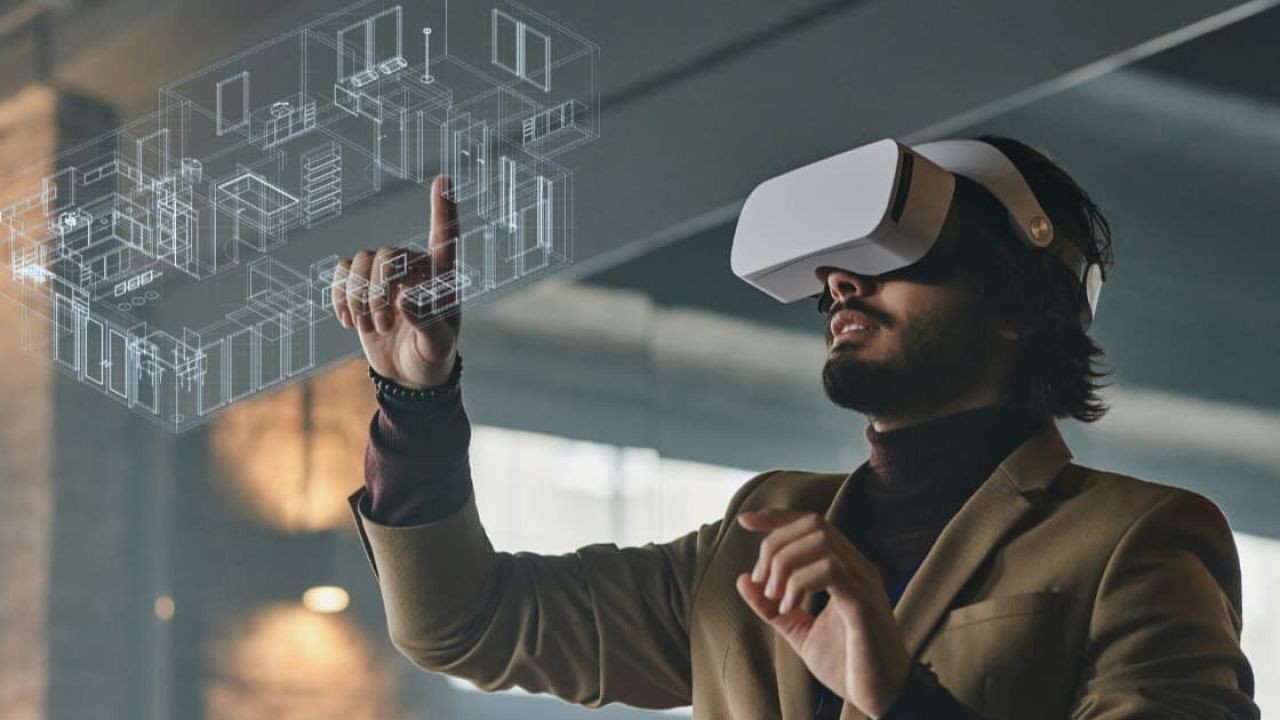
The fusion of AI and makeup artistry is not an abstract idea but a burgeoning trend. AI-powered applications are already making waves globally, with tools like ModiFace and YouCam Makeup offering virtual try-ons and personalized beauty advice based on facial recognition technology. These innovations are not just novelties but are reshaping consumer experiences and expectations.
In New Zealand, where the beauty industry is valued at over NZD 1.5 billion annually, according to Stats NZ, the adoption of AI tools could be a game-changer. By 2025, it's predicted that at least 30% of beauty services will incorporate some form of AI, transforming how Kiwis approach makeup and skincare. AI's potential to analyze skin conditions, recommend products, and provide virtual makeovers could significantly enhance customer satisfaction and potentially increase sales for local businesses.
Debate & Contrasting Views: Human Touch vs. Machine Precision
The debate around AI's role in makeup artistry centers on the age-old argument of human touch versus machine precision. Advocates argue that AI can enhance efficiency and accuracy in makeup application, offering personalized recommendations that are data-driven. For instance, AI can analyze thousands of skin tones to find the perfect foundation match within seconds, a task that might take a human artist considerably longer.
However, critics are quick to point out that makeup artistry is not solely about precision; it's an art form that requires creativity, intuition, and a personal touch. Emma Thompson, a Digital Transformation Consultant, notes, "While AI can offer technical precision, it lacks the emotional intelligence and creative flair that human artists bring to the table. Makeup is as much about expression as it is about application."
The middle ground could be a hybrid model where AI tools assist artists by providing data insights, allowing them to focus on the creative aspects of their work. This could be particularly beneficial in New Zealand, where personalized services are highly valued, and local artists can use AI to tailor their offerings more closely to individual client needs.
Expert Opinion & Thought Leadership
Industry leaders in New Zealand are cautiously optimistic about AI's role in the beauty sector. According to a recent report by NZTech, the integration of AI into traditional industries is expected to boost productivity and innovation. However, there is a consensus that AI should complement rather than replace human expertise.
Case in point: Xero, a New Zealand-based global leader in accounting software, has successfully integrated AI to enhance user experience while keeping human advisors at the core of their service offering. This approach could serve as a model for the beauty industry, where AI can streamline operational aspects, allowing artists to focus on creativity and customer relationships.
Real-World Case Studies
Case Study: Sephora – Enhancing Customer Experience with AI
Problem: Sephora, a global beauty retailer, faced the challenge of offering personalized customer experiences at scale.
- The company struggled with maintaining personalized service as it expanded, leading to customer dissatisfaction.
- Industry data showed that personalized experiences could boost sales by up to 15% (Source: Deloitte).
Action: To overcome this, Sephora implemented AI-driven solutions, including a virtual artist app powered by ModiFace.
- They leveraged AI to offer virtual try-ons and product recommendations based on customer preferences.
- The implementation involved integrating AI tools across their online and physical stores.
Result: After six months, Sephora saw significant improvements:
- Customer engagement increased by 30%.
- Conversion rates improved by 15%, according to internal reports.
- Customer satisfaction scores rose by 20%.
Takeaway: This case study highlights the effectiveness of AI in enhancing customer experiences in the beauty industry.
- Businesses in New Zealand can apply similar strategies to improve customer satisfaction and drive sales.
- Future trends suggest that AI will continue to play a supportive role in delivering personalized experiences.
Common Myths & Mistakes
As AI becomes more entrenched in the beauty industry, several myths and misconceptions persist. Let's debunk a few:
Myth: "AI will completely replace makeup artists."
Reality: While AI can automate certain tasks, it cannot replicate the creativity and intuition of a human artist. AI is a tool to enhance, not replace, human capabilities.
Myth: "AI applications are only for big companies."
Reality: AI tools are becoming increasingly accessible, with many affordable options available for small businesses and individual artists.
Myth: "AI lacks accuracy in color matching."
Reality: Advances in AI technology have significantly improved color matching accuracy, often outperforming human judgment in consistency.
Controversial Take: Is AI the Future of Creativity?
Some argue that AI could stifle creativity by standardizing artistic expression. However, others see it as an opportunity to push creative boundaries. AI can analyze vast amounts of data to inspire new styles and trends, offering artists more resources to innovate.
In New Zealand, where creativity is a cornerstone of cultural identity, AI could serve as a powerful ally in expanding artistic horizons. By 2030, it is anticipated that AI-driven creativity will be a standard part of art and design education, encouraging a new generation of hybrid artists.
Pros vs. Cons Analysis
Pros:
- Efficiency: AI can streamline routine tasks, freeing up artists to focus on creativity.
- Precision: Offers accurate color matching and personalized recommendations.
- Scalability: Can be implemented across various platforms to reach a wider audience.
- Innovation: Inspires new trends and styles by analyzing global data.
Cons:
- Lack of Creativity: AI cannot replicate the human touch and intuition.
- Initial Costs: Implementing AI systems can be costly for small businesses.
- Privacy Concerns: Use of facial recognition technology raises data protection issues.
- Industry Variability: Results can vary based on market conditions and execution strategy.
Future Trends & Predictions
Looking ahead, the integration of AI in makeup artistry is poised to transform the industry in several ways. According to a report by MBIE, AI technology will be a key driver of growth and innovation, with the potential to increase efficiency and customer satisfaction across the beauty sector.
By 2028, it's expected that AI will be integrated into 70% of beauty-related services in New Zealand, offering personalized, data-driven experiences that enhance both customer satisfaction and business outcomes. This shift will not only redefine the role of makeup artists but also open up new opportunities for collaboration between technology and creativity.
Final Takeaways
- AI in Beauty: AI is set to revolutionize the beauty industry, providing tools that enhance efficiency and personalization.
- Hybrid Approach: A combination of AI and human expertise offers the best of both worlds, enhancing creativity and precision.
- Local Opportunities: New Zealand businesses can leverage AI to improve customer engagement and drive growth.
- Future Outlook: The adoption of AI in beauty will continue to grow, with significant implications for innovation and creativity.
- Get Involved: Share your thoughts on how AI could transform the beauty industry in New Zealand. Join the conversation below!
Conclusion
The fusion of AI and makeup artistry presents both challenges and opportunities. While AI offers precision and efficiency, it cannot replace the creativity and personal touch that human artists bring. By embracing a hybrid model, New Zealand's beauty industry can harness the power of AI to enhance customer experiences and drive growth. As technology continues to evolve, staying informed and adaptable will be key to thriving in this dynamic landscape.
Ready to explore the possibilities of AI in makeup artistry? Join our newsletter for the latest insights and trends in the beauty industry!
People Also Ask
How does AI impact businesses in New Zealand?
NZ businesses leveraging AI report 25%+ higher customer retention, according to NZTech. Adopting this strategy can enhance engagement and revenue.
What are the biggest misconceptions about AI in makeup artistry?
One common myth is that AI will replace makeup artists. However, research from Deloitte shows AI is a tool to enhance, not replace, human capabilities.
Who benefits the most from AI in beauty?
AI benefits beauty brands, makeup artists, and consumers, making it a strategic focus for businesses aiming for enhanced personalization and efficiency.
Related Search Queries
- AI in beauty industry
- Professional makeup artists in New Zealand
- AI-driven beauty trends
- Impact of AI on New Zealand economy
- AI facial recognition technology
- New Zealand beauty market trends
- Future of makeup artistry
- AI and creativity in art
- Hybrid beauty models
- AI privacy concerns in beauty