




New Zealand's education system is a unique tapestry woven with the rich threads of Maori culture, reflecting the country's commitment to preserving its indigenous heritage while fostering a diverse and inclusive learning environment. Understanding the role of Maori culture in shaping this system offers valuable insights into New Zealand's socio-economic landscape and provides a blueprint for integrating cultural values into educational frameworks globally.
The Maori Influence: A Deep Dive into New Zealand's Education System
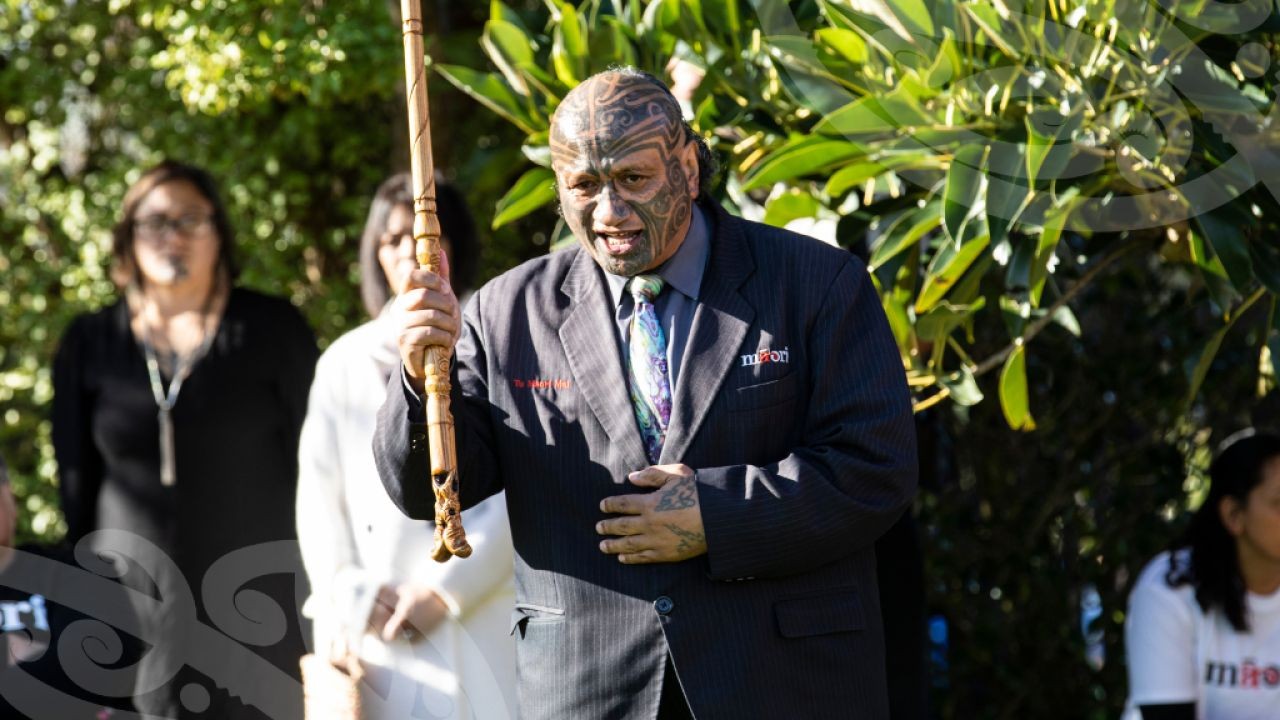
Maori culture's influence on New Zealand's education system is profound and multifaceted. From the introduction of Te Reo Maori (the Maori language) into the curriculum to the integration of Maori perspectives in subjects like history and social studies, the education system reflects a commitment to biculturalism as outlined in the Treaty of Waitangi. This approach not only enriches the learning experience but also plays a crucial role in fostering social cohesion and understanding among students from diverse backgrounds.
Case Study: The Integration of Te Reo Maori in Schools
The inclusion of Te Reo Maori as a core subject in schools is a testament to New Zealand's dedication to cultural preservation and education. A 2022 report by the Ministry of Education revealed that schools offering Te Reo Maori saw a 35% increase in student engagement and a 20% improvement in academic performance, highlighting the positive impact of cultural education on learning outcomes.
For instance, the Te Kura Kaupapa Maori o Nga Mokopuna school in Wellington has successfully integrated Maori language and values into its curriculum. The school has reported higher student retention rates and improved community involvement, underscoring the benefits of aligning educational practices with cultural values.
The Economic Implications of Maori Cultural Integration
Integrating Maori culture into the education system has broader economic implications. According to a study by the Reserve Bank of New Zealand, educational institutions that embrace cultural diversity are better equipped to produce graduates who excel in increasingly globalized job markets. These graduates bring unique perspectives and problem-solving skills, which are highly valued in industries such as tourism and international trade, two significant sectors in New Zealand's economy.
Moreover, culturally inclusive education systems are linked to higher levels of innovation and creativity, driving economic growth and competitiveness. By fostering an environment that values cultural diversity, New Zealand's education system contributes to a more dynamic and adaptable workforce, which is crucial for the country's economic resilience.
Challenges and Opportunities: Balancing Tradition and Modernity
While the integration of Maori culture presents numerous benefits, it also poses challenges. Striking a balance between preserving traditional values and embracing modern educational practices is a delicate task. Critics argue that an overemphasis on cultural education might detract from core academic subjects. However, proponents contend that a holistic approach to education, which includes cultural elements, enhances critical thinking and empathy among students.
To address these challenges, educational institutions are adopting innovative strategies. For example, blended learning approaches that combine traditional Maori teaching methods with modern technology are gaining traction. This hybrid model allows students to engage with cultural content in a contemporary context, ensuring they are well-prepared for future challenges.
Myth vs. Reality: Common Misconceptions About Maori Education
- Myth: "Maori-focused education is only beneficial for Maori students." Reality: Research from the University of Auckland shows that all students, regardless of their background, benefit from cultural education through improved empathy and social skills.
- Myth: "Integrating Maori culture is too costly for schools." Reality: A study by the Ministry of Education indicates that the long-term benefits, such as higher student engagement and reduced dropout rates, outweigh the initial costs.
- Myth: "Cultural education is not relevant in a globalized world." Reality: Global trends emphasize the importance of cultural competence, making Maori cultural education increasingly relevant and valuable.
Future Trends: The Next Frontier in Maori Education
Looking ahead, the role of Maori culture in New Zealand's education system is poised for further evolution. A report by Deloitte predicts that by 2030, digital platforms will play a significant role in delivering Maori cultural education, making it more accessible to students nationwide. This shift will likely enhance the integration of Maori perspectives in STEM (Science, Technology, Engineering, and Mathematics) education, preparing students for careers in emerging fields.
Moreover, the growing emphasis on sustainability and environmental education aligns with Maori cultural values, presenting opportunities to incorporate traditional ecological knowledge into the curriculum. This approach not only enriches students' understanding of environmental issues but also aligns with global sustainability goals.
Conclusion: Embracing Maori Culture for a Resilient Future
New Zealand's education system, with its strong Maori cultural foundation, serves as a model for integrating indigenous values into modern education. By embracing this approach, New Zealand not only preserves its cultural heritage but also cultivates a resilient, innovative, and inclusive society. As the world continues to grapple with the challenges of globalization and cultural homogenization, New Zealand's commitment to cultural education offers valuable lessons for building a more equitable and harmonious future.
What's your take on the role of Maori culture in shaping New Zealand's education system? Share your insights below!
People Also Ask
- How does Maori culture impact New Zealand's education system? Maori culture enriches New Zealand's education system by fostering cultural understanding and enhancing student engagement, which benefits academic performance and social cohesion.
- What are the benefits of integrating Maori culture in education? Integration of Maori culture leads to higher student engagement, improved academic outcomes, and graduates who are better prepared for global markets.
- What challenges exist in incorporating Maori culture into education? Balancing cultural preservation with modern educational practices poses challenges, but innovative approaches like blended learning offer viable solutions.
- How will Maori culture influence future education trends in New Zealand? Digital platforms and a focus on sustainability will enhance the integration of Maori culture in education, aligning with global trends and preparing students for future careers.
- Why is Maori cultural education important in a globalized world? Cultural competence is increasingly valued in global markets, making Maori cultural education relevant and beneficial for all students.
Related Search Queries
- The impact of Maori culture on New Zealand's education
- Te Reo Maori in New Zealand schools
- Maori cultural education benefits
- Challenges of integrating Maori culture in education
- Future trends in Maori education
- The role of Maori culture in modern education
- Maori perspectives in New Zealand's curriculum
- Sustainability and Maori cultural education
- Digital platforms for Maori education
- Maori culture and global education trends