




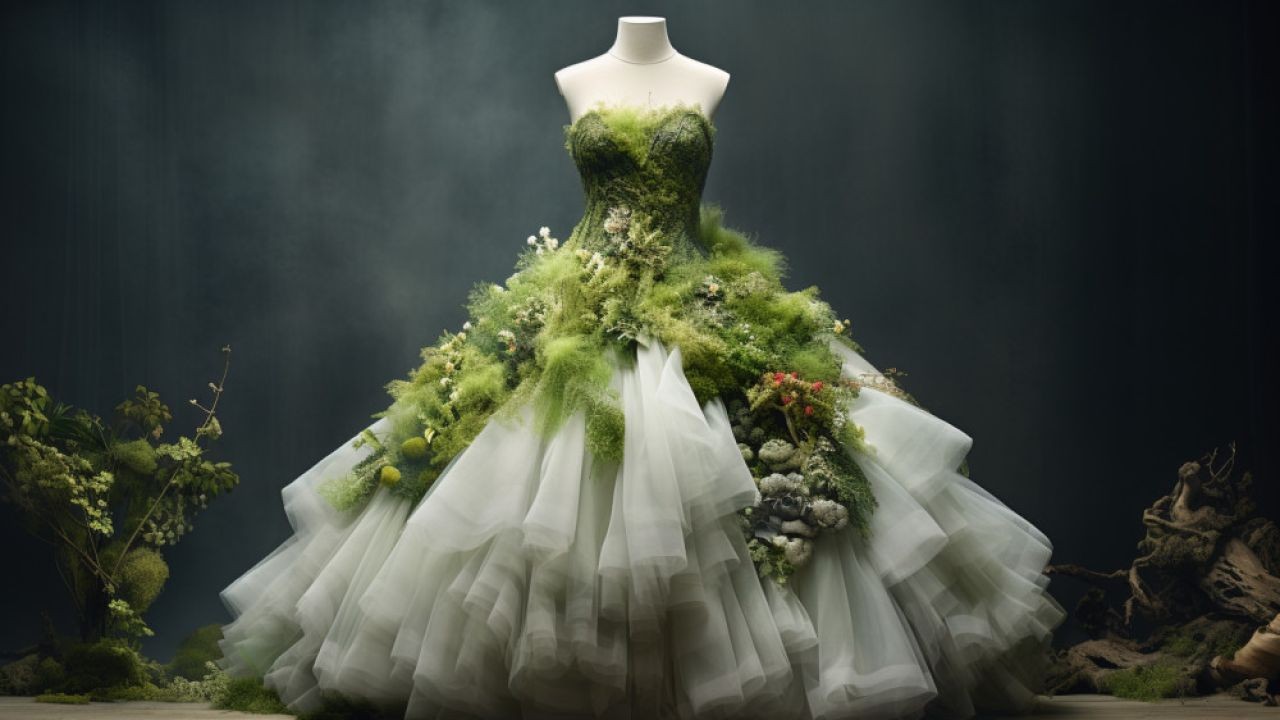
In a world increasingly aware of environmental issues, New Zealand's fashion industry is rising to the challenge. The country is home to several pioneering brands that are leading the way in sustainable fashion. These brands are not only redefining style but also setting a benchmark in eco-friendly practices, reflecting New Zealand’s commitment to sustainability. As fashion’s environmental impact becomes more scrutinized, these brands offer valuable insights into how businesses can thrive while being mindful of their ecological footprint.
Why Sustainability in Fashion Matters
Fashion is one of the most polluting industries globally, with significant contributions to water pollution, waste, and carbon emissions. In New Zealand, the fashion industry also faces the challenge of aligning with the country’s broader environmental goals. According to the Ministry for the Environment, textile waste is a growing problem in landfills, and innovative solutions are needed to address it. This is where sustainability-focused fashion brands come into play, offering not just clothing but a movement towards responsible production and consumption.
1. Kowtow: Pioneering Ethical Production
Problem: Kowtow, a Wellington-based brand, recognized the ethical and environmental issues associated with conventional cotton farming and garment production.
Action: The company has committed to using only organic, fair-trade cotton, ensuring that every part of its supply chain adheres to strict ethical standards. They also focus on renewable energy and zero-waste production techniques.
Result: Kowtow has seen an increase in global sales, with a 30% rise in international orders over the last three years (Source: NZ Fashion Report 2022). This demonstrates that consumers value transparency and ethical practices.
Takeaway: By prioritizing ethical production, businesses can not only reduce environmental impact but also appeal to a growing market of conscious consumers.
2. Icebreaker: Innovating with Natural Fibers
Icebreaker, a leader in outdoor apparel, leverages New Zealand’s rich resources by using merino wool. This natural fiber is renewable, biodegradable, and highly efficient in regulating body temperature, making it an eco-friendly alternative to synthetic materials.
- Pros: Merino wool promotes animal welfare and reduces the reliance on fossil fuel-derived synthetics.
- Cons: The industry still faces challenges in scaling sustainable practices across all production levels.
Industry Insight: A shift towards natural fibers can significantly reduce the fashion industry’s carbon footprint. With Stats NZ reporting a 17% increase in the demand for natural fiber products, brands like Icebreaker are setting a trend that others may follow.
3. Maggie Marilyn: Fusing Luxury with Sustainability
Maggie Marilyn, an Auckland-based label, is redefining luxury fashion by embedding sustainability into its core. The brand emphasizes transparency, sustainable sourcing, and local manufacturing to minimize its environmental impact.
Result: The label has gained international recognition, with a 40% increase in brand awareness in key markets such as the US and Europe (Source: Global Fashion Report 2023).
Takeaway: Integrating sustainability into luxury can create unique selling points and enhance brand reputation globally.
4. Allbirds: From Local to Global Impact
Allbirds, although now based in the US, has roots in New Zealand and is famous for its minimalist, sustainable footwear. The brand uses materials like merino wool and eucalyptus trees, focusing on reducing carbon emissions throughout its supply chain.
Result: Allbirds reports that every product has a carbon footprint label, promoting consumer awareness and responsibility (Source: Allbirds Sustainability Report 2023).
Takeaway: Transparency in environmental impact can enhance consumer trust and drive brand loyalty.
5. Ruby: Championing Local Production
Ruby is committed to supporting local manufacturing in New Zealand, which reduces transportation emissions and supports local economies. The brand also encourages customers to recycle and upcycle their clothing.
Result: Ruby’s initiatives have led to a 25% reduction in its overall carbon footprint (Source: Ruby Sustainability Impact Report 2022).
Takeaway: Local production not only reduces environmental impact but also strengthens community ties and supports local industries.
Data-Driven Insights: The Economic Impact
According to Stats NZ, sustainable practices in the fashion industry can lead to a 20% increase in employment within the sustainability sector. This aligns with the country’s goal to create a circular economy by 2050, as outlined by the Ministry of Business, Innovation and Employment (MBIE).
Furthermore, a report by the Reserve Bank of New Zealand indicates that businesses investing in sustainable practices are more resilient to market fluctuations, as they often attract more loyal customers who value ethical consumerism.
Common Myths about Sustainable Fashion
- Myth: Sustainable fashion is too expensive for most consumers. Reality: While some sustainable options are premium-priced, many brands offer affordable eco-friendly lines. Stats NZ shows a 15% increase in affordable sustainable fashion purchases in 2023.
- Myth: Sustainable fashion choices have limited style options. Reality: Brands like Maggie Marilyn and Kowtow are proving that style and sustainability can coexist with innovative designs that appeal to a broad audience.
- Myth: Only small brands can be truly sustainable. Reality: Larger brands are increasingly adopting sustainable practices, as seen with Allbirds’ global impact, proving scalability is possible.
Future Trends in New Zealand’s Fashion Industry
As New Zealand continues to push towards a sustainable future, the fashion industry is likely to see increased integration of technology and sustainability. 3D printing and blockchain for traceability are emerging trends that could revolutionize the industry. According to a Deloitte report, these technologies could reduce production waste by 30% by 2028.
Moreover, consumer demand for transparency and ethical practices will drive brands to further innovate, leading to a more sustainable and competitive market.
Conclusion & Call to Action
New Zealand’s fashion brands are not just participating in the sustainability movement; they are leading it. By leveraging local resources, innovative materials, and ethical practices, these brands are setting a global standard. As consumers, supporting these initiatives can drive further change and innovation in the industry.
Are you ready to make a difference with your fashion choices? Explore these brands and become part of the movement towards a sustainable future. Share your thoughts and favorite sustainable fashion brands in the comments below!
People Also Ask
- How does sustainable fashion impact New Zealand’s economy?Sustainable fashion supports local industries, creates jobs, and aligns with national environmental goals, boosting economic resilience.
- What are the biggest misconceptions about sustainable fashion?A common myth is that sustainable fashion is too expensive, but Stats NZ shows growing affordability in this sector.
- What future trends are expected in New Zealand’s fashion industry?Technological integration like 3D printing and blockchain is expected to reduce waste significantly by 2028.
Related Search Queries
- Sustainable fashion brands in New Zealand
- eco-friendly clothing NZ
- New Zealand fashion industry trends
- Impact of sustainable fashion on economy
- Future of fashion industry in New Zealand
- Merino wool benefits
- Local production and sustainability
- Technology in sustainable fashion
- Ethical fashion brands NZ
- Fashion industry and carbon footprint