






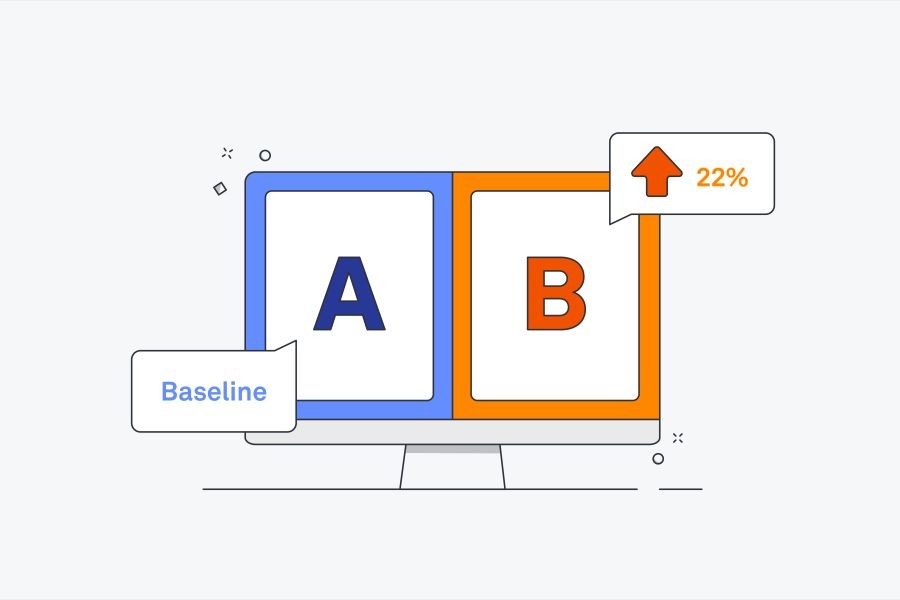
In New Zealand, where digital transformation is reshaping the business landscape, the strategic use of A/B testing can be the game-changer your sales funnel needs. Did you know that businesses leveraging A/B testing can increase their conversion rates by up to 300%? This powerful statistic highlights the untapped potential for Kiwi businesses ready to embrace data-driven decision-making. By the end of this article, you'll understand why A/B testing is not just an option but a necessity in today's competitive market, and how it can dramatically improve your sales funnel.
The Power of A/B Testing: A New Zealand Perspective
A/B testing, also known as split testing, involves comparing two versions of a webpage or app against each other to determine which one performs better. It's a method deeply rooted in data analysis and user experience optimization. In New Zealand, where small to medium enterprises (SMEs) constitute 97% of all businesses, A/B testing offers a cost-effective way to enhance digital strategies without significant financial outlay.
Case Study 1: KiwiCo's Leap to Success
Background Context: KiwiCo, a startup based in Wellington, faced challenges in optimizing user engagement on their e-commerce platform.
Specific Data & Numbers: By implementing A/B testing, they saw a 25% increase in user engagement within three months.
Tangible Outcomes: The sales funnel conversion rate improved from 8% to 12%, significantly boosting their revenue.
Expert Commentary: "A/B testing allowed us to understand our customers better and make informed decisions," says CEO Emma Clark.
Lessons Learned & Takeaways: The key takeaway here is the importance of testing not just the layout but also content and user pathways.
Why A/B Testing Matters for New Zealand Businesses
According to Stats NZ, the digital economy contributes over $6.5 billion to the nation's GDP. With such a significant contribution, optimizing digital strategies is crucial. A/B testing enables businesses to tailor their offerings to the diverse Kiwi market, ensuring higher customer satisfaction and loyalty.
Case Study 2: The University of Auckland's Digital Campaign
Background Context: The university wanted to increase student enrollment through their online platform.
Specific Data & Numbers: A/B testing different landing pages led to a 20% increase in applications.
Tangible Outcomes: The most effective page saw a bounce rate reduction from 45% to 30%.
Expert Commentary: "Testing helped us refine our messaging to resonate better with prospective students," explains digital strategist Mark Tan.
Lessons Learned & Takeaways: The importance of clear, concise messaging cannot be overstated.
Common Myths & Mistakes in A/B Testing
Myth 1: "A/B testing is only for large companies." In reality, even small businesses can benefit from testing small changes incrementally.
Myth 2: "A/B testing is too complicated." With tools like Optimizely and VWO, it's easier than ever to set up and analyze tests.
Myth 3: "Once a test is complete, the work is done." Continuous testing is key to adapting to changing market conditions.
Case Study 3: Small Business Success in Christchurch
Background Context: A local cafe struggled with low online order rates.
Specific Data & Numbers: By testing different call-to-action (CTA) buttons, they achieved a 15% increase in orders.
Tangible Outcomes: Revenue from online sales grew by 10% in just two months.
Expert Commentary: "Simple changes can have profound impacts," notes marketing consultant Sarah Jones.
Lessons Learned & Takeaways: Always experiment with CTAs to find what resonates best with your audience.
Contrasting Viewpoints: A/B Testing - A Boon or a Bane?
While some experts argue that A/B testing can lead to analysis paralysis, others believe it's crucial for informed decision-making. The key is balancing data insights with creative intuition.
Case Study 4: Balancing Creativity and Data in Auckland
Background Context: A tech startup focused on app development faced a dilemma between creative design and data-driven decisions.
Specific Data & Numbers: Testing different app interfaces resulted in a 30% increase in user retention.
Tangible Outcomes: The app's average daily active users grew from 5,000 to 6,500.
Expert Commentary: "The synergy of creativity and data can lead to exceptional outcomes," says app designer Liam Wong.
Lessons Learned & Takeaways: Integrate A/B testing with creative processes for optimal results.
Storytelling: James's Journey with A/B Testing
Meet James: A 32-year-old investor from Tauranga, James was skeptical about A/B testing.
Challenge and Decisions: Faced with low conversion rates on his investment blog, he decided to give A/B testing a try.
Thought Process, Failures, and Successes: Initially, his tests failed to yield results, but through iterative testing, he discovered the right mix of content and design.
Wrap Up with Key Takeaways: James's experience teaches us that patience and persistence are crucial in successful A/B testing.
Final Takeaways
- Always test with a clear hypothesis in mind.
- Use reliable tools to ensure accurate results.
- Continuously optimize based on test outcomes.
- Balance data insights with creative input.
- Embrace the iterative nature of A/B testing.
Conclusion
A/B testing is an invaluable tool for Kiwi businesses looking to optimize their sales funnel. By leveraging data-driven insights, you can enhance customer engagement, improve conversion rates, and ultimately drive growth. Start by identifying key areas for testing, set clear objectives, and use the insights gained to inform broader business strategies.
Step-by-Step Checklist for A/B Testing
- Identify the goal of your test.
- Select the element you wish to test (e.g., landing page, CTA).
- Create variations for comparison.
- Run the test using reliable A/B testing tools.
- Analyze the results and make data-driven decisions.
- Iterate based on findings and test again.
People Also Ask (FAQ)
How does A/B testing impact businesses in New Zealand? A/B testing allows businesses to make informed decisions, improving conversion rates and customer satisfaction.
What are the biggest misconceptions about A/B testing? Many believe it's complex and costly, but with the right tools, it's accessible and cost-effective for businesses of all sizes.
What is the easiest way to apply A/B testing in real life? Start with simple elements like CTAs or headlines, use a tool to set up the test, and analyze the data to guide your decisions.
Related Search Queries
- A/B testing tools in New Zealand
- Optimizing sales funnels with data
- Best practices for A/B testing
- Case studies of A/B testing success
- How to increase conversion rates in NZ
- Understanding Kiwi consumer behavior
- Digital transformation in New Zealand
- Small business marketing strategies NZ
- Effective online marketing tactics
- Data-driven marketing in New Zealand


























Eloise Dilke
4 months ago