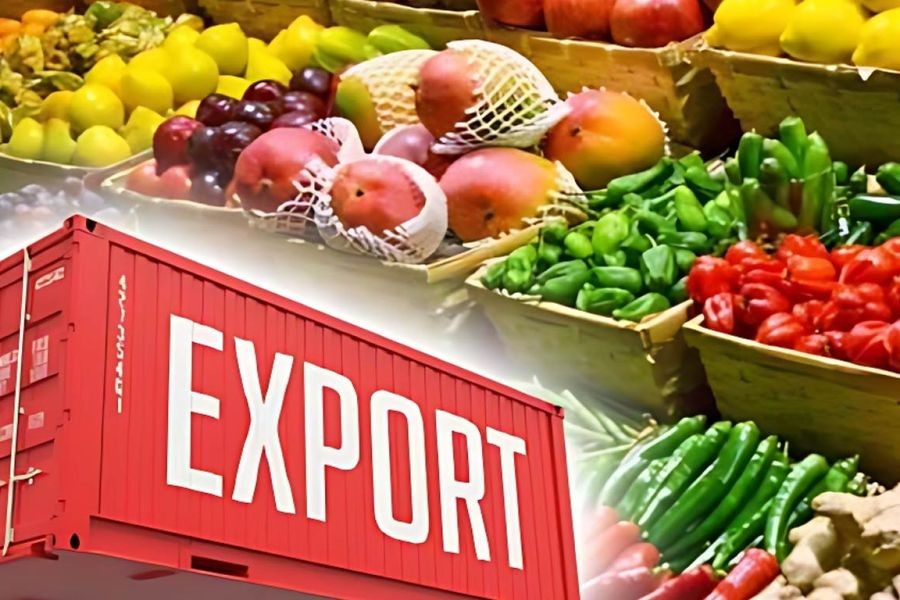







New Zealand's alternative food sector stands at the brink of a remarkable transformation, poised to redefine the nation's food landscape over the next decade. From plant-based proteins to innovative farming techniques, the local market is evolving rapidly, driven by increasing consumer awareness and environmental concerns. The following analysis delves into the growth trajectory of this burgeoning industry, offering insights tailored for real estate experts interested in understanding the implications on property values and investment opportunities.
Current State of New Zealand's Alternative Food Sector
New Zealand's alternative food market has experienced significant growth in recent years, with plant-based food sales increasing by 30% annually, according to a report by Plant-Based New Zealand. This surge is fueled by a shift in consumer preferences towards sustainable and ethical food choices. As a result, the demand for alternative food production facilities and retail spaces is on the rise, creating a ripple effect in the real estate sector.
Case Study: The Rise of Sunfed Meats
Problem: Sunfed Meats, a leading plant-based meat producer in New Zealand, faced capacity constraints due to skyrocketing demand for their products. The company struggled to meet the growing consumer appetite for meat alternatives, which was impeding their market expansion.
Action: To address this challenge, Sunfed Meats invested in a new manufacturing facility, strategically located to optimize distribution across the North and South Islands. They adopted innovative technology to scale production efficiently.
Result: Within a year, Sunfed Meats increased their production capacity by 50%, enabling them to capture a larger market share. This expansion not only boosted revenue but also created numerous jobs in the local community.
Takeaway: The case of Sunfed Meats highlights the potential for significant returns on real estate investments in the alternative food sector. As demand for sustainable food options grows, so does the need for infrastructure to support production and distribution.
Impact of Government Policies on Market Growth
The New Zealand government has been proactive in promoting sustainable food production. Initiatives like the Sustainable Food & Fibres Future Fund, which allocates over NZD 40 million annually, aim to support projects that enhance the sustainability of the food and fiber industries. These policies are pivotal in driving innovation and investment in the alternative food sector.
According to the Ministry of Business, Innovation and Employment (MBIE), these initiatives are expected to generate significant economic benefits, potentially contributing an additional NZD 1 billion to the economy by 2030. For real estate investors, this translates into increased demand for commercial properties aligned with sustainable practices.
Emerging Trends and Innovations
As New Zealand's alternative food sector matures, several key trends are emerging:
- Vertical Farming: With limited arable land, vertical farming is gaining traction. This technology allows for efficient use of space and resources, making it attractive for urban real estate development.
- Precision Agriculture: Utilizing big data and IoT, precision agriculture enhances productivity and sustainability. This trend is likely to increase the value of agricultural lands equipped with advanced technology.
- Fermentation Technology: Companies are exploring fermentation as a method to produce alternative proteins. This innovation could lead to the development of specialized industrial spaces.
Debunking Myths and Common Misconceptions
Despite the promising outlook, several myths persist regarding the alternative food sector:
Myth: "Alternative foods are just a fad."
Reality: Data from Stats NZ indicates a steady increase in consumer demand, debunking the notion of a temporary trend. The sector's growth is sustainable, backed by environmental and health consciousness.
Myth: "Investing in alternative food companies is too risky."
Reality: While all investments carry risks, the alternative food sector is supported by robust market trends and government policies, offering a favorable risk-reward balance.
These myths highlight the need for informed decision-making and comprehensive market analysis for potential investors.
Future Outlook: A Decade of Growth and Opportunity
The future of New Zealand's alternative food sector appears bright, with several factors contributing to its growth:
- Consumer Demand: A continued shift towards plant-based and sustainable diets will drive market expansion.
- Technological Advancements: Innovations in food technology will enhance production efficiency and product variety.
- Policy Support: Government initiatives will continue to incentivize sustainable practices and investments.
By 2030, the alternative food sector is projected to contribute significantly to New Zealand's economy, offering lucrative opportunities for real estate investors and developers.
Final Takeaways
- New Zealand's alternative food sector presents significant growth potential, driven by consumer demand and government support.
- Real estate investments in this sector are poised for high returns, particularly in production and distribution facilities.
- Understanding emerging trends and debunking myths are crucial for making informed investment decisions.
As the industry evolves, staying informed and proactive will be key to capitalizing on the opportunities presented by this dynamic market.
Conclusion
The alternative food sector in New Zealand is on the cusp of transformative growth, offering substantial opportunities for investors and developers. By aligning with sustainable practices and leveraging technological advancements, the real estate market stands to benefit significantly. For those ready to seize these opportunities, the time to act is now. Engage with this growing sector and be part of New Zealand's sustainable future.
People Also Ask
- How does the alternative food sector impact real estate in New Zealand? The sector drives demand for commercial properties like production facilities, influencing real estate values and investment opportunities.
- What are the emerging trends in New Zealand's alternative food market? Key trends include vertical farming, precision agriculture, and fermentation technology, each offering unique real estate opportunities.
- What government policies support the growth of alternative foods in New Zealand? Initiatives like the Sustainable Food & Fibres Future Fund promote innovation and investment in sustainable food production.
Related Search Queries
- New Zealand alternative food market trends
- Sustainable food production in New Zealand
- Investment opportunities in NZ alternative food sector
- Impact of alternative foods on NZ real estate
- Future of plant-based foods in New Zealand