





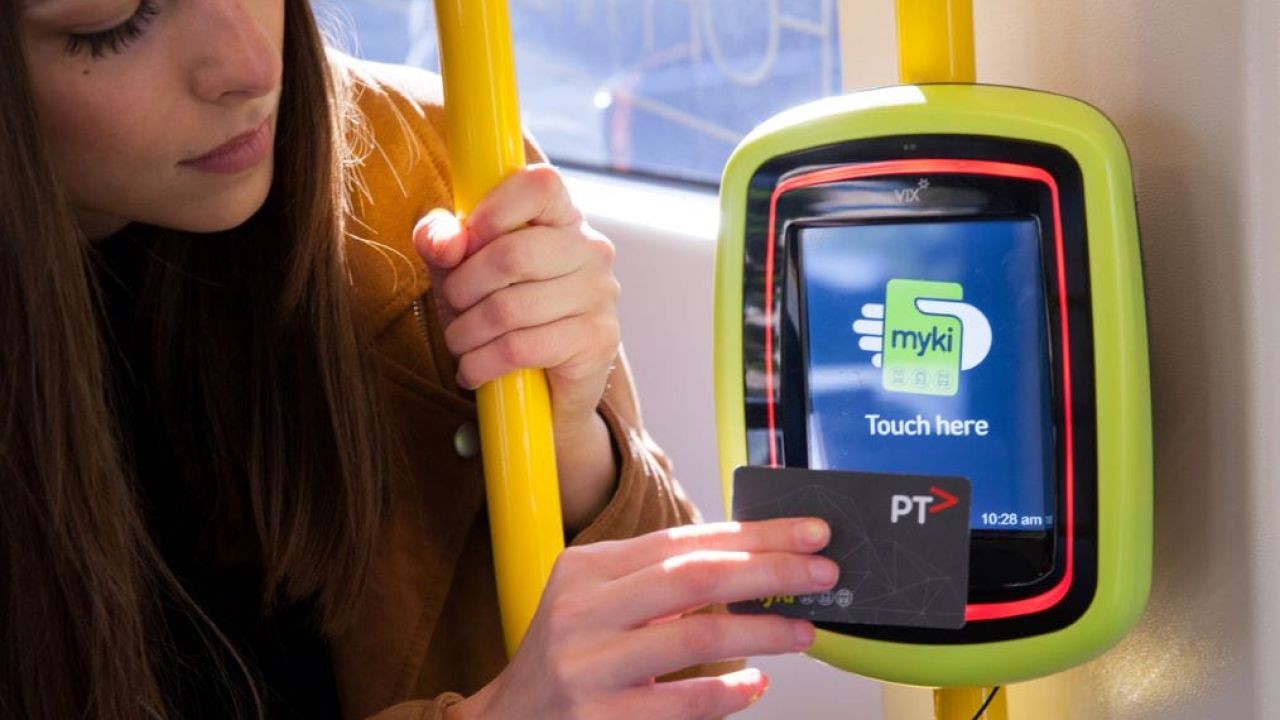
Australia's public transportation system is a vital component of its urban infrastructure, providing millions of Australians with an economical and eco-friendly means of commuting. However, the question of whether public transport could be free for everyone in the future is both intriguing and complex. With rising living costs and environmental concerns, exploring the viability of free public transport in Australia deserves a closer look.
What No One Is Telling Australians
Public transport in Australia has long been a mix of triumphs and frustrations. Cities like Melbourne, Sydney, and Brisbane boast extensive rail networks, bus systems, and ferries, while regional centres often face limited options. Rising urban populations, traffic congestion, and environmental concerns have sparked renewed interest in the idea of free public transport — a model already experimented with in parts of Europe and Asia.
Yet the prospect of free transport for all Australians raises complex questions. Beyond the appealing notion of cost-free travel, feasibility, equity, and economic consequences must be carefully examined. Understanding these factors reveals why policymakers are cautiously evaluating the idea rather than rushing into implementation.
The Promise of Free Public Transport
Advocates of free public transport highlight several potential benefits:
Reducing Urban Congestion: Major cities such as Sydney and Melbourne experience chronic traffic bottlenecks. Offering free access to trains, trams, and buses could shift commuters away from private vehicles, easing congestion and lowering emissions.
Environmental Benefits: Public transport already produces a smaller carbon footprint per passenger compared with cars. Making it free could encourage a modal shift that supports Australia’s climate targets, particularly in cities where short urban trips dominate daily travel.
Social Equity: Transport costs can disproportionately affect low-income households. Free public transport could improve access to education, employment, and healthcare, reducing social inequality and supporting inclusive urban mobility.
Economic Stimulus: Some studies suggest that increased mobility can boost local economies. By making public transport free, Australians may spend more time and money in commercial centres, creating a secondary economic benefit.
The Hidden Challenges
Despite the appeal, Australian experts point out several substantial hurdles:
Funding and Fiscal Sustainability: Public transport systems require significant operating and maintenance budgets. In 2025, urban transport networks in Sydney and Melbourne cost billions annually. Transitioning to free access would necessitate alternative funding sources — whether higher taxes, reallocations from other services, or private-public partnerships. Each option has political and economic trade-offs.
Infrastructure Capacity: Many Australian transport networks already operate near capacity during peak hours. Free access could dramatically increase demand, creating overcrowding unless infrastructure expansion accompanies the policy. Additional rolling stock, bus fleets, and station upgrades would be essential to maintain service quality.
Behavioural Considerations: Free services do not automatically guarantee efficiency. Without user fees, some cities have seen increases in fare evasion-like behaviour, lower perceived value, and misuse of services. Policymakers would need to carefully design rules and enforcement mechanisms to maintain safety and reliability.
Regional Disparities: While urban centres might benefit most from increased ridership, regional networks often struggle with low patronage and long distances. Making these services free would entail high costs relative to usage, limiting the policy’s cost-effectiveness outside metropolitan areas.
Lessons from Global Experiments
Cities around the world provide cautionary and instructive examples:
Tallinn, Estonia: Free public transport improved access and social mobility, but funding relies on municipal and national taxes. Peak-hour congestion remains a challenge.
Luxembourg: The entire country offers free public transport, supported by high taxation and well-integrated infrastructure. However, critics argue that long-term sustainability depends on continued economic growth and taxpayer support.
French Cities (e.g., Dunkirk): Free bus services boosted local mobility but required complementary investments in fleet upgrades and staffing to handle increased ridership.
Australia would need to adapt lessons from these examples to local urban density, population distribution, and fiscal structures. A “copy-paste” approach is unlikely to succeed without careful tailoring.
Economic and Policy Considerations
The debate over free public transport in Australia is not purely ideological. Several underlying factors shape feasibility:
Government Budgets: Shifting to fare-free systems would require reallocating billions in public spending. Policymakers must weigh transport funding against health, education, and infrastructure priorities.
Private Sector Impact: Ride-sharing, taxis, and vehicle sales could be affected by a mass modal shift. Policymakers would need to anticipate potential economic disruption while balancing environmental and social objectives.
Urban Planning Synergy: Free transport works best alongside integrated urban planning, including transit-oriented development, cycling infrastructure, and pedestrian-friendly zones. Without broader systemic reforms, free fares alone may not achieve intended outcomes.
Social Perception: Australians have mixed attitudes toward taxation and public spending. Public acceptance is critical; policies perceived as unfairly funded or poorly executed could generate political backlash.
Pathways for Implementation
Experts suggest that a gradual or targeted approach may be the most viable:
Pilot Programs: Select cities, suburbs, or transit lines could trial free fares to study ridership, behaviour, and economic impact. Data from pilots would inform national strategies.
Targeted Access: Providing free transport to students, low-income earners, or off-peak commuters could deliver social benefits while limiting fiscal strain.
Incremental Subsidisation: Reducing fares progressively rather than eliminating them entirely could achieve similar behavioural changes while maintaining revenue streams.
Investment in Capacity: Free fares must be paired with fleet expansions, staffing, and infrastructure upgrades to prevent overcrowding and service degradation.
These strategies balance ambition with realism, giving policymakers tools to assess outcomes before committing to nation-wide reforms.
Looking Ahead: The Future of Public Transport in Australia
Australia’s public transport landscape is at a crossroads. Urbanisation, climate concerns, and shifting social expectations are pushing authorities to reconsider traditional fare models. While a completely free system for all Australians is not imminent, incremental reforms and pilot initiatives may reshape urban mobility within the next decade.
Investing in smarter, more sustainable, and equitable public transport can yield long-term benefits for cities and citizens. The challenge lies in balancing fiscal responsibility, infrastructure capacity, and behavioural adaptation — a complex equation that requires careful planning, data-driven insights, and community engagement.
Current State of Public Transport in Australia
Public transport in Australia is primarily funded through a combination of government subsidies and passenger fares. According to the Australian Bureau of Statistics (ABS), public transport usage has seen a steady increase over the past decade, with urban areas like Sydney and Melbourne experiencing significant growth. Yet, transport fares remain a substantial burden for many commuters, particularly those from low-income households.
In 2024, the ABS reported that public transport accounted for 16% of all commuting trips nationwide, a figure that highlights the importance of these services in daily Australian life. Despite this reliance, affordability and accessibility remain key concerns for commuters and policymakers alike.
Global Examples: Free Public Transport
Globally, a few cities have experimented with free public transport, providing valuable insights into its potential impact. Tallinn, the capital of Estonia, implemented free public transport for residents in 2013, leading to a 14% increase in public transport usage. Similarly, Luxembourg abolished fares entirely in 2020, aiming to reduce congestion and promote sustainability.
These examples demonstrate that free public transport can increase ridership and contribute to environmental goals. However, the success of such initiatives is contingent on sufficient government funding and infrastructure support, which may present challenges in the Australian context.
Economic Implications: Can Australia Afford It?
Implementing free public transport across Australia would require significant investment from state and federal governments. The Reserve Bank of Australia (RBA) estimates that public transport subsidies currently account for approximately 30% of total operational costs, with passenger fares covering the remainder. Eliminating these fares would necessitate an increase in government spending, potentially impacting other public services.
The economic feasibility of free public transport hinges on several factors, including the potential for cost savings in other areas such as road maintenance and healthcare, due to reduced congestion and pollution. A study by the Grattan Institute suggests that increased public transport usage could save Australian cities up to AUD 1.5 billion annually in healthcare costs alone, by reducing air pollution-related illnesses.
Case Study: Melbourne's Free Tram Zone
Melbourne's Free Tram Zone, introduced in 2015, offers a local example of a successful fare-free initiative. Covering the Central Business District (CBD) and Docklands, this zone has seen a 20% increase in tram usage since its inception. While the zone is limited in scope, it provides a model for expanding fare-free services in Australia.
The success of this initiative highlights the potential benefits of free public transport in terms of increased accessibility and reduced congestion. However, it also underscores the need for strategic planning and investment to ensure that such schemes are sustainable and do not overload existing transport networks.
Pros and Cons of Free Public Transport
Pros:
- Increased Accessibility: Eliminating fares would make public transport more accessible to low-income individuals, enhancing social equity.
- Environmental Benefits: Higher public transport usage could lead to reduced carbon emissions and traffic congestion.
- Economic Stimulus: Increased mobility could boost local economies by facilitating access to jobs and services.
- Health Benefits: Reduced pollution could result in lower public health costs, as evidenced by the Grattan Institute study.
Cons:
- Increased Costs: Government funding would need to cover operational costs, potentially impacting other public services.
- Infrastructure Strain: Higher ridership could strain existing infrastructure, necessitating further investment.
- Equity Concerns: Benefits may disproportionately favor urban areas, leaving rural regions underserved.
- Potential for Misuse: Free services could lead to increased vandalism or misuse, raising operational costs.
Future Trends: The Role of Technology and Policy
The future of public transport in Australia will likely be shaped by technological advancements and policy innovations. The integration of smart technologies, such as real-time tracking and contactless payments, can enhance the efficiency and appeal of public transport systems. Additionally, policy measures like congestion pricing and increased investment in infrastructure could support the transition to fare-free transport.
A report by the Australian Treasury highlights the potential for integrating renewable energy sources into public transport systems, reducing operational costs and environmental impact. By 2035, it's predicted that up to 60% of Australian public transport could be powered by renewable energy, aligning with national sustainability goals.
Industry Insight: Expert Perspectives
Anna Skarbek, CEO of ClimateWorks Australia, emphasizes the importance of aligning public transport strategies with broader environmental objectives. "As cities continue to grow, the transition to sustainable and accessible public transport is crucial for reducing carbon emissions and enhancing urban livability," she states. Her insights underscore the need for a holistic approach to public transport policy, integrating environmental, economic, and social considerations.
Common Myths and Misconceptions
Despite the potential benefits, several myths persist about free public transport:
- Myth: "Free public transport will lead to overcrowding." Reality: While increased usage is likely, strategic planning and investment can mitigate overcrowding, as demonstrated by Melbourne's Free Tram Zone.
- Myth: "Fare-free systems are economically unsustainable." Reality: Successful global examples show that with proper funding and policy support, fare-free systems can be sustainable and beneficial.
- Myth: "Only urban areas benefit from free public transport." Reality: While urban areas may see the most immediate benefits, improved transport accessibility can also support regional development.
Conclusion
Free public transport in Australia remains an aspirational vision rather than a near-term reality. While the concept promises social, environmental, and economic benefits, it is constrained by funding, infrastructure, and behavioural challenges.
Policymakers, urban planners, and transport operators must navigate these hidden complexities to create a system that is both accessible and sustainable. Australians should understand that the conversation goes beyond fare elimination; it involves rethinking the way cities move, how resources are allocated, and how urban life adapts to growing populations and climate imperatives.
For now, free public transport remains a tantalising possibility — one that requires strategic foresight, practical innovation, and careful consideration before it becomes a nationwide reality.
The prospect of free public transport in Australia presents a complex yet promising opportunity to enhance accessibility, sustainability, and social equity. While challenges remain, strategic investment and policy support could make fare-free transport a reality, aligning with Australia's broader economic and environmental objectives.
What's your take on free public transport in Australia? Share your insights and join the discussion!
Related Search Queries
- free public transport in Australia
- benefits of fare-free transport
- public transport policy in Australia
- Melbourne Free Tram Zone success
- economic impact of free public transport
For the full context and strategies on Could Australia’s Public Transport Be Free for Everyone in the Future? – What No One Is Telling Australians, see our main guide: Australian Home Lifestyle Diy.