





In recent years, eco-friendly living has become more than just a trend; it's a crucial aspect of urban development. New Zealand's cities are at the forefront of integrating sustainable practices into urban living, driven by both governmental policies and a growing public consciousness about environmental issues. As property investment specialists, understanding how eco-friendly initiatives can enhance property value and attract tenants is essential. This article delves into five key tips for eco-friendly living in New Zealand’s urban landscapes, backed by data and real-world examples.
Understanding the Importance of Eco-Friendly Living in New Zealand
New Zealand's commitment to environmental sustainability is evident in its ambitious goals, such as the Carbon Neutral Government Programme, which aims to make the public sector carbon-neutral by 2025. This initiative not only influences public policy but also sets a precedent for private sectors, including real estate. With Stats NZ reporting that renewable energy sources provide over 80% of the country's electricity, it's clear that eco-friendly living is intertwined with national priorities.
Tip 1: Implement Green Building Practices
The incorporation of green building practices is a fundamental step towards sustainable urban development. In New Zealand, the Green Building Council has introduced the Homestar rating, which assesses the environmental impact of residential buildings. Properties with higher Homestar ratings are increasingly attractive to buyers and tenants, providing a significant return on investment.
Case Study: Auckland's Green Star Buildings
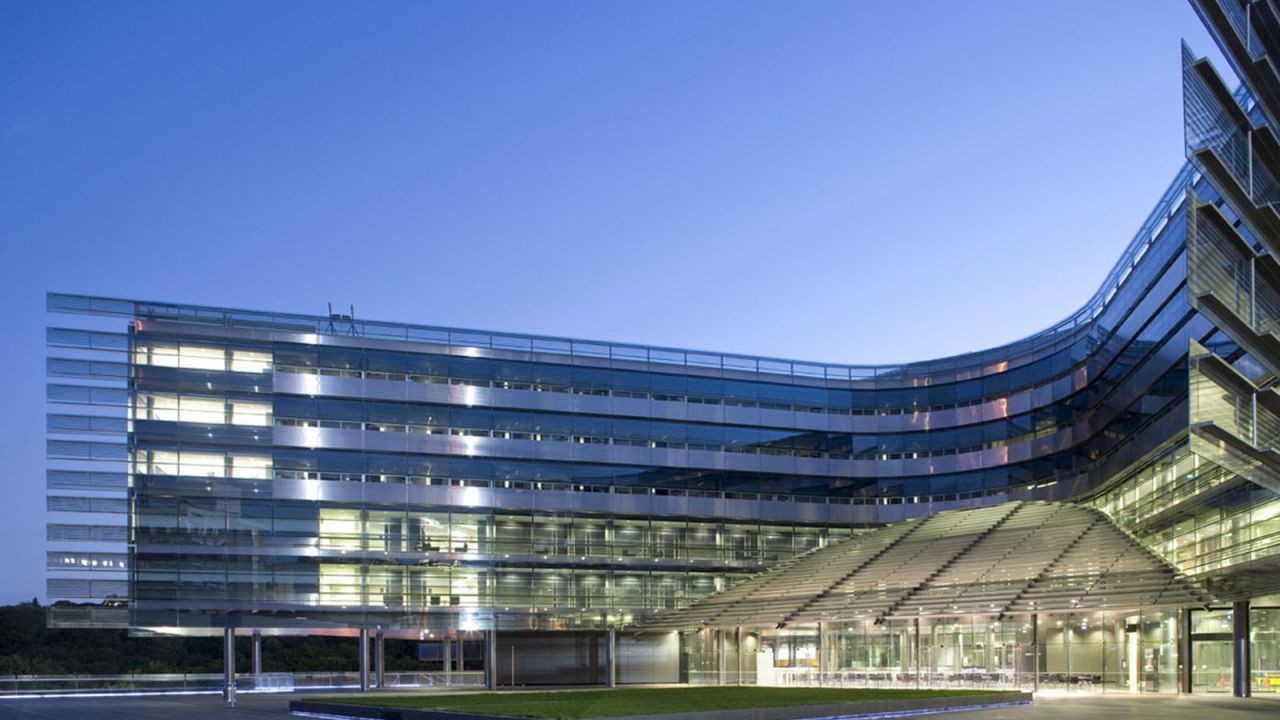
In Auckland, the use of Green Star-rated buildings has led to improved energy efficiency and reduced operating costs. For example, a commercial building in the city center achieved a 5 Green Star rating, resulting in a 30% reduction in energy consumption and a 25% decrease in water usage. This not only reduced the building's environmental footprint but also lowered utility expenses, making it more appealing to eco-conscious tenants.
Tip 2: Utilize Renewable Energy Sources
Integrating renewable energy sources into urban properties is another effective strategy. With New Zealand's abundant natural resources, solar panels and wind turbines are feasible options for urban settings. According to the Ministry of Business, Innovation and Employment (MBIE), homes utilizing renewable energy can see a 20-30% reduction in annual energy costs.
Example: Wellington's Solar Initiative
Wellington has made strides in promoting solar energy through incentives and subsidies. A local apartment complex installed solar panels, resulting in a 35% decrease in electricity bills for residents. This not only lowered living costs but also increased the property's market value, showcasing the economic benefits of renewable energy investments.
Tip 3: Embrace Sustainable Transportation
Transportation is a significant contributor to urban carbon emissions. Cities like Christchurch have implemented bike-sharing programs and expanded public transport options to reduce reliance on private vehicles. Encouraging tenants to use these services can significantly reduce a property’s carbon footprint.
Case Study: Christchurch's Public Transport Revamp
Christchurch's investment in electric buses and improved cycling infrastructure has resulted in a 15% increase in public transport usage. Properties located near these transit options have seen a rise in demand, with rental prices increasing by as much as 10% compared to less accessible areas.
Tip 4: Incorporate Smart Home Technology
Smart home technology can enhance energy efficiency and provide a modern living experience. Devices such as smart thermostats and energy-efficient lighting not only reduce energy consumption but also increase property desirability. In New Zealand, properties equipped with smart technology are perceived as more future-proof, attracting tech-savvy tenants.
Real-World Example: Smart Living in Hamilton
A residential development in Hamilton integrated smart home technologies, resulting in energy savings of up to 25%. Tenants reported higher satisfaction rates due to the convenience and cost savings provided by automated systems, leading to lower turnover and vacancy rates.
Tip 5: Promote Water Conservation Techniques
Water conservation is a critical component of sustainable living. Techniques such as rainwater harvesting and greywater recycling can significantly reduce water usage. The New Zealand government supports these initiatives through grants and resources, encouraging property owners to adopt sustainable water management practices.
Case Study: Greywater Recycling in Dunedin
In Dunedin, a residential complex implemented a comprehensive greywater recycling system, reducing water usage by 20%. This initiative not only conserved water but also lowered utility costs for residents, enhancing the property's environmental and economic value.
Debunking Common Myths About Eco-Friendly Living
- Myth: Eco-friendly practices are too expensive for urban areas.
- Reality: While initial investments can be higher, eco-friendly practices often result in long-term savings and increased property value. A report from the Reserve Bank of New Zealand highlights that sustainable buildings tend to have higher resale values.
- Myth: Renewable energy isn't reliable in urban settings.
- Reality: Technological advancements have made renewable energy sources more reliable and efficient, even in densely populated areas. New Zealand's focus on renewable infrastructure supports this transition.
- Myth: Smart home technology is only for luxury properties.
- Reality: Smart technology is becoming more accessible and is increasingly used in mid-range properties to enhance energy efficiency and tenant convenience.
Future Trends in Eco-Friendly Urban Living
Looking ahead, eco-friendly living will continue to evolve in New Zealand's cities. The government’s focus on zero-carbon buildings and sustainable urban planning will play a pivotal role. According to a Deloitte report, by 2030, it's expected that 60% of new buildings in New Zealand will achieve zero-carbon status, driven by both policy and consumer demand.
Moreover, the integration of artificial intelligence in energy management systems is set to revolutionize property management, providing real-time data to optimize energy usage and reduce environmental impact. This trend is likely to enhance the appeal of smart properties, offering significant investment opportunities for forward-thinking property specialists.
Final Takeaways & Call to Action
- Fact: New Zealand's commitment to sustainability is shaping the property market, with eco-friendly properties seeing increased demand.
- Strategy: Integrate renewable energy and smart home technology to boost property value and tenant satisfaction.
- Mistake to Avoid: Overlooking government incentives for eco-friendly investments can lead to missed opportunities.
- Pro Tip: Stay informed about policy changes and technological advancements to remain competitive in the market.
Are you ready to embrace eco-friendly living in your property investments? By adopting these strategies, you not only contribute to a sustainable future but also enhance your property’s market value and appeal. Share your thoughts and experiences below, and let's continue the conversation on sustainable urban living in New Zealand!
People Also Ask
How does eco-friendly living impact property investment in New Zealand?
Eco-friendly living enhances property value and attracts tenants, with sustainable buildings often achieving higher resale values, according to the Reserve Bank of New Zealand.
What are the biggest misconceptions about eco-friendly living?
One common myth is that eco-friendly practices are prohibitively expensive. However, long-term savings and increased property value often offset initial costs.
What are the best strategies for implementing eco-friendly practices in urban properties?
Experts recommend starting with green building practices, incorporating renewable energy, and utilizing smart home technology for significant improvements in energy efficiency and property appeal.
Related Search Queries
- Eco-friendly real estate investments in New Zealand
- Green building practices NZ
- Sustainable urban living trends
- Renewable energy in New Zealand cities
- Smart home technology for rentals
- Water conservation techniques for urban properties
- Government incentives for eco-friendly buildings NZ
- Impact of sustainability on property values
- Future of eco-friendly living in New Zealand
- Challenges in implementing sustainable practices in real estate