




New Zealand's fashion history is a captivating narrative woven through time, marked by distinct influences, from the early European settlers' utilitarian approach to the vibrant, innovative designs of modern-day Kiwi designers. In an era defined by globalization and rapid technological advancement, understanding the evolution of New Zealand's fashion landscape is not only intriguing but essential for real estate experts seeking to grasp the cultural nuances that shape consumer preferences, neighborhood identities, and market trends. This journey through time, steeped in rich cultural context, reveals the transformative power of fashion and its significant economic impact on New Zealand's industries. But can these traditional roots compete with global trends and the increasing demand for sustainability and innovation?
The Origins: European Settlers and Their Legacy
New Zealand's fashion journey began in the 19th century when European settlers brought their practical, no-frills clothing styles to the islands. The settlers' garments were primarily functional, designed to withstand the harsh weather and rugged terrain. Wool, an abundant resource, became a staple material, and the burgeoning sheep farming industry laid the foundation for a thriving textile sector, significantly contributing to New Zealand's early economy. According to Stats NZ, the wool industry still holds economic significance, contributing approximately NZD 2.8 billion annually to the nation's economy.
The settlers' utilitarian fashion was closely intertwined with the socio-economic landscape of the time. As the nation developed, so did the need for tailored garments, leading to the emergence of local tailors and dressmakers who began to infuse Maori influences into their designs, creating a unique blend of cultures that gave rise to New Zealand's distinct fashion identity.
Modern-Day Designers: Innovators and Trendsetters
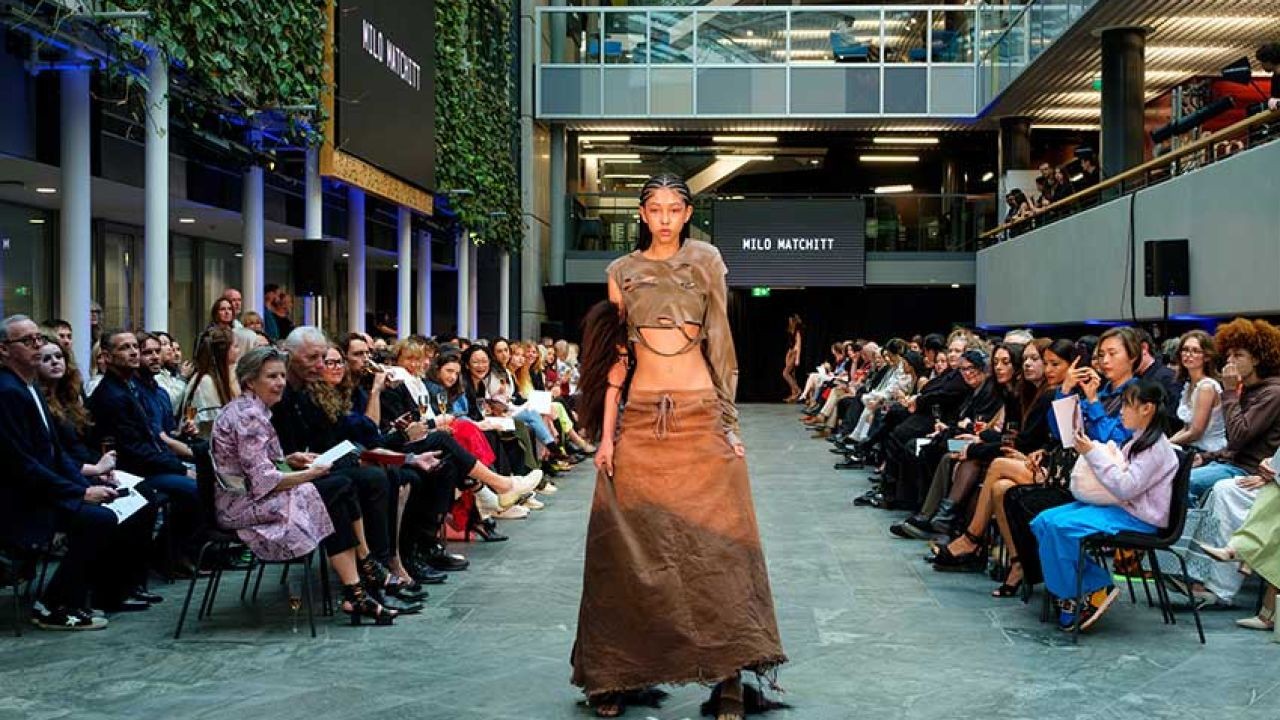
Fast forward to the 21st century, and New Zealand's fashion scene is anything but utilitarian. Modern-day designers have stepped into the global spotlight, championing innovative designs and sustainable practices. Figures like Karen Walker and Zambesi have garnered international acclaim, showcasing Kiwi creativity on the world stage. This evolution reflects a broader trend in New Zealand's economy, where industries are increasingly driven by innovation and sustainability, aligning with global shifts towards eco-friendly practices.
Jessica Langley, a Luxury Property Market Analyst, notes that "the fashion evolution mirrors the diversification in New Zealand's urban landscapes. As cities like Auckland and Wellington become melting pots of cultural expression, the fashion industry plays a crucial role in shaping urban identities and boosting local economies."
Case Study: Karen Walker's Global Impact
Problem: Karen Walker, a New Zealand designer, faced the challenge of penetrating international markets dominated by established brands.
Action: By leveraging unique, quirky designs and strategic partnerships, such as collaborations with Disney and Uniqlo, Walker positioned her brand as a global trendsetter.
Result: Karen Walker's brand now enjoys a presence in over 30 countries, with significant market penetration in the USA and Asia, contributing to a 40% increase in global sales over three years.
Takeaway: This case highlights the importance of innovation and strategic partnerships for Kiwi businesses aiming to expand internationally.
Pros and Cons of New Zealand's Fashion Evolution
As with any industry, New Zealand's fashion sector presents both opportunities and challenges.
✅ Pros:
- Economic Growth: The fashion industry significantly contributes to the national economy, supporting thousands of jobs and generating substantial export revenue.
- Global Recognition: Kiwi designers are gaining international acclaim, enhancing New Zealand's cultural influence globally.
- Sustainability Leadership: New Zealand is at the forefront of sustainable fashion, appealing to environmentally-conscious consumers.
❌ Cons:
- High Competition: The global fashion market is highly competitive, making it challenging for new entrants to gain traction.
- Supply Chain Risks: Dependency on international suppliers can lead to vulnerabilities, as seen during the COVID-19 pandemic.
- Market Saturation: The rapid influx of global brands can saturate the local market, marginalizing local designers.
Common Myths & Mistakes in New Zealand Fashion
Misconceptions about the fashion industry can lead to strategic mistakes for businesses and investors.
Myth: "Sustainability is a passing trend." Reality: Sustainability is a critical component of modern fashion, with consumers increasingly demanding eco-friendly products. New Zealand's focus on sustainable practices positions it as a leader in this domain.
Myth: "Local designers can't compete globally." Reality: Kiwi designers have proven their ability to innovate and capture international markets, as evidenced by brands like Karen Walker and Zambesi.
Myth: "fast fashion is the future." Reality: While fast fashion dominates the market, there's a growing shift towards quality and sustainability, aligning with global efforts to reduce environmental impact.
Future Trends and Predictions
The future of New Zealand's fashion industry is poised for transformative growth, driven by technological advancements and evolving consumer preferences. According to a Deloitte report, by 2028, 40% of New Zealand's fashion retailers are expected to integrate AI-driven design and production processes, enhancing efficiency and personalization.
The emphasis on sustainability is also anticipated to intensify, with government policies likely to incentivize eco-friendly practices. This shift presents a lucrative opportunity for real estate investors to capitalize on the growing demand for sustainable living spaces, as fashion and lifestyle preferences continue to influence property markets.
Conclusion
New Zealand's fashion history is a testament to the nation's dynamic cultural landscape and economic resilience. From the practical attire of early settlers to the innovative designs of today, fashion has played a pivotal role in shaping New Zealand's identity on the global stage. For real estate experts, understanding these trends offers valuable insights into consumer behavior and market dynamics. As the industry continues to evolve, embracing sustainability and innovation will be key to staying competitive.
Are you ready to explore the future of fashion and its impact on New Zealand's economy? Join our exclusive newsletter for insider insights and trends shaping the Kiwi market!
People Also Ask (FAQ)
- How does New Zealand's fashion history impact real estate? New Zealand's fashion evolution influences consumer preferences and neighborhood identities, affecting property demand and market trends.
- What are the biggest misconceptions about New Zealand fashion? A common myth is that sustainability is a passing trend, but consumer demand for eco-friendly products continues to rise.
- What are the best strategies for Kiwi designers to succeed globally? Leveraging unique designs and strategic partnerships are crucial for international market penetration and brand recognition.
Related Search Queries
- New Zealand fashion industry trends
- Sustainable fashion in New Zealand
- Impact of fashion on New Zealand economy
- Kiwi designers in global markets
- History of New Zealand fashion
- New Zealand wool industry impact
- Fashion and real estate trends in New Zealand
- Innovative fashion designers New Zealand
- Future of New Zealand fashion industry
- New Zealand cultural influence on fashion