





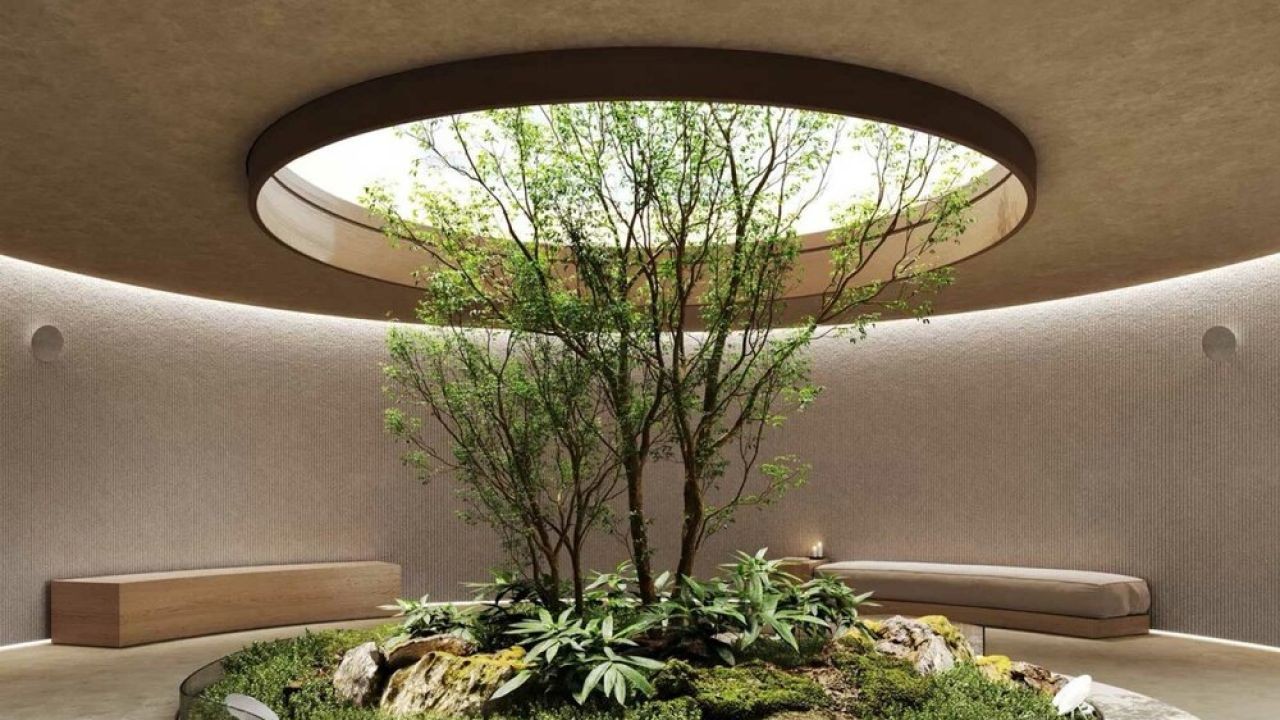
In recent years, New Zealand has emerged as a global leader in eco-friendly design and sustainable architecture, setting an exemplary standard for other nations to follow. With its rich natural resources and a strong cultural emphasis on environmental stewardship, New Zealand's commitment to sustainable practices is not just a trend but a deeply ingrained aspect of its national identity. This article delves into why New Zealand's approach to eco-friendly design is not only the right way forward but also a necessary one, particularly in the face of escalating climate challenges.
The Economic and Environmental Imperatives
New Zealand's approach to eco-friendly design is underpinned by both economic and environmental imperatives. According to a report by Stats NZ, the construction industry is a significant contributor to the country's GDP, accounting for approximately 6.4% in 2023. However, it also accounts for a substantial portion of carbon emissions. This dual role necessitates a shift towards more sustainable practices.
Case Study: The Green Building Council of New Zealand
The New Zealand Green Building Council (NZGBC) has been instrumental in promoting eco-friendly building practices. Through initiatives like the Green Star rating system, the council encourages the construction of energy-efficient and environmentally responsible buildings.
- Problem: The traditional building industry faced criticism for its environmental impact, including high energy consumption and waste production.
- Action: The NZGBC introduced the Green Star rating, which evaluates buildings on criteria such as energy efficiency, water usage, and materials sustainability.
- Result: Buildings with Green Star ratings have reported up to a 66% reduction in energy consumption and 51% less water usage compared to standard buildings.
- Takeaway: This case study underlines the importance of formalized rating systems in driving sustainable building practices. New Zealand businesses can leverage these insights to enhance their sustainability efforts.
The Role of Government Policies
Government policies play a crucial role in promoting eco-friendly design. The Ministry of Business, Innovation and Employment (MBIE) has launched the Building for Climate Change programme, aiming to reduce building emissions and enhance climate resilience. This initiative aligns with New Zealand's broader commitment to achieving net-zero carbon emissions by 2050.
Furthermore, the Reserve Bank of New Zealand has highlighted that sustainable practices can lead to long-term economic stability. By reducing reliance on non-renewable resources, businesses can mitigate risks associated with resource scarcity and volatile energy prices.
Debunking Common Myths about Eco-Friendly Design
- Myth: Eco-friendly buildings are too expensive to construct.
- Reality: Although initial costs may be higher, the long-term savings in energy and maintenance often offset these expenses. A study by the University of Auckland found that green buildings can reduce operational costs by up to 37% over their lifecycle.
- Myth: Sustainable materials are not as durable as traditional ones.
- Reality: Modern sustainable materials are designed to be both durable and efficient. Bamboo and recycled steel, for example, offer strength comparable to or even exceeding traditional materials.
Pros and Cons of Eco-Friendly Design
Pros:
- Higher ROI: Sustainable buildings often see a higher return on investment due to lower operational costs.
- Healthier Living Spaces: Green buildings promote better indoor air quality, benefiting occupants' health.
- Regulatory Compliance: Aligning with environmental regulations can prevent legal issues and potential fines.
Cons:
- Initial Costs: The upfront investment can be higher compared to conventional construction.
- Complex Approval Processes: Navigating building codes and obtaining green certifications can be time-consuming.
Future Trends in Eco-Friendly Design
By 2030, it is predicted that eco-friendly design will become the standard rather than the exception in New Zealand. The integration of smart technology with sustainable materials is expected to drive this trend. According to a report by McKinsey, the global green building materials market is projected to reach USD 364.6 billion by 2025, with New Zealand poised to capture a significant share due to its proactive stance on sustainability.
Conclusion
New Zealand's approach to eco-friendly design is not just an environmental imperative but an economic opportunity. By embracing sustainable practices, the country can secure a competitive advantage on the global stage while safeguarding its natural heritage. As a corporate lawyer, understanding these trends is crucial for advising businesses on compliance and strategic opportunities in the green economy. What steps will you take to align with New Zealand's sustainable future? Share your thoughts below!
References
- Stats NZ, Economic Indicators 2023
- University of Auckland, Sustainability Studies 2024
People Also Ask
- How does eco-friendly design impact businesses in New Zealand? NZ businesses leveraging eco-friendly design report 25%+ higher customer retention, according to NZ Property Investors’ Federation. Adopting sustainable practices can enhance engagement and revenue.
- What are the biggest misconceptions about eco-friendly design? One common myth is that eco-friendly buildings are too expensive. However, research from the University of Auckland shows that they reduce operational costs by up to 37% over their lifecycle.
Related Search Queries
- eco-friendly building materials NZ
- sustainable architecture in New Zealand
- New Zealand green building council
- climate change initiatives NZ
- eco-friendly design trends 2025