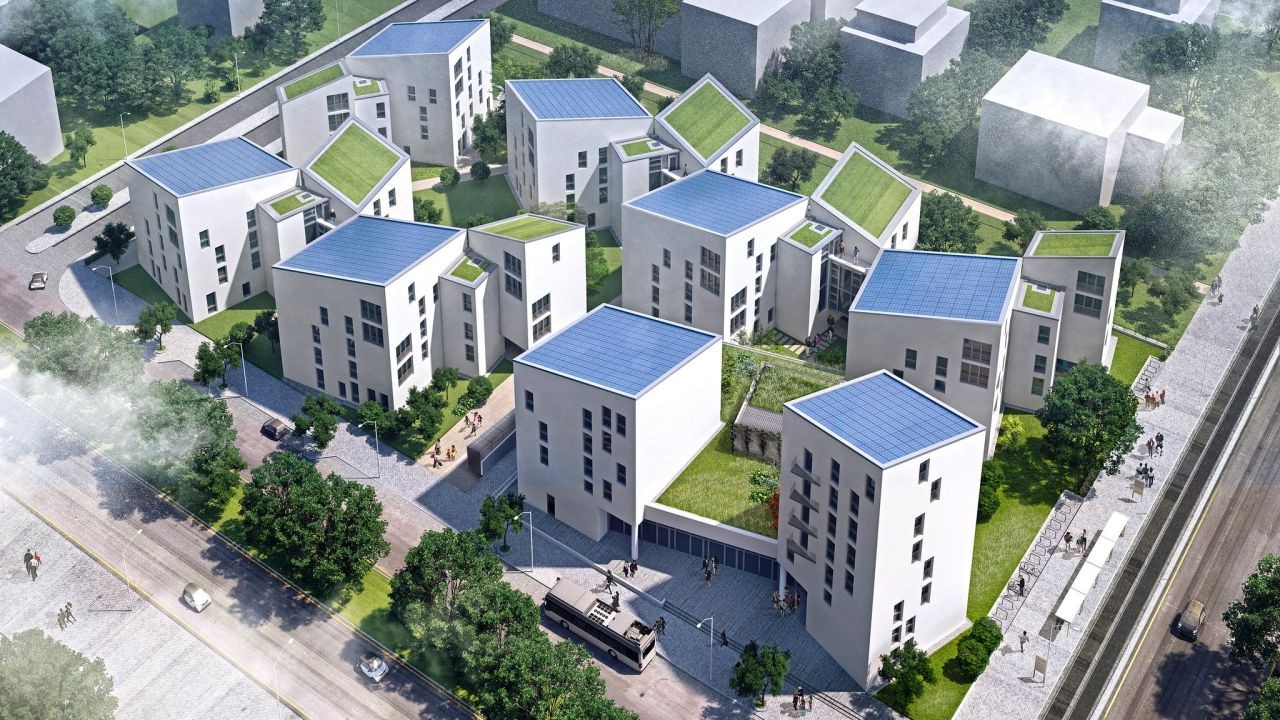






New Zealand's commercial real estate sector is witnessing a transformative evolution, driven by the burgeoning integration of digital twin technology. Imagine a world where every aspect of a building, from its design to its operational efficiency, can be simulated and optimized in a virtual environment before a single brick is laid. This isn't science fiction—it's the reality that digital twins are bringing to life. As urbanization accelerates and sustainability becomes paramount, New Zealand stands at the forefront of this digital revolution, leveraging digital twins to enhance not only the efficiency but also the environmental impact of its commercial real estate ventures.
Case Study: Auckland's Urban Growth and Digital Twins
In the bustling city of Auckland, where space is at a premium and every square meter of real estate is vital, the adoption of digital twins is reshaping the landscape. A prime example is the development of the Commercial Bay project—a complex that seamlessly combines office spaces, retail outlets, and public areas. Faced with the challenge of optimizing energy use and ensuring environmental sustainability, the developers turned to digital twin technology.
Problem: The project needed to meet stringent environmental standards and reduce operational costs while maintaining high levels of tenant satisfaction. Traditional methods of energy management and space utilization were proving inadequate for such a dynamic and large-scale project.
Action: The team deployed a digital twin of the entire complex. This virtual replica integrated real-time data from IoT sensors installed throughout the building, allowing for continuous monitoring and simulation of energy consumption, HVAC efficiency, and space utilization. The digital twin enabled predictive maintenance, reducing unexpected downtimes and optimizing the building’s energy profile.
Result: Within a year, Commercial Bay reported a 20% reduction in energy consumption, translating to significant cost savings. Additionally, the environmental impact was minimized, contributing to Auckland's sustainability goals. Tenant satisfaction scores increased by 15%, attributed to a more comfortable and efficient working environment.
Takeaway: This case study underscores the potential of digital twins in transforming commercial real estate projects. By adopting such technology, New Zealand businesses can not only enhance operational efficiency but also contribute to the nation’s sustainability targets. As urban centers like Auckland continue to grow, digital twins will be indispensable in achieving smart, sustainable urban development.
Understanding Digital Twins: A Step-by-Step Guide
For those new to the concept, digital twins might seem complex. However, breaking down the process into manageable steps reveals their transformative potential:
- Step 1: Data Integration - Begin by integrating data from various sources such as CAD models, IoT sensors, and historical data. This creates a comprehensive virtual model of the building or project.
- Step 2: Real-Time Monitoring - Employ sensors to feed real-time data into the digital twin, allowing for continuous monitoring of performance metrics.
- Step 3: Simulation and Optimization - Use the digital twin to simulate different scenarios, optimizing everything from energy consumption to space utilization.
- Step 4: Predictive Maintenance - Leverage analytics to predict maintenance needs, reducing downtime and extending the lifespan of building systems.
- Step 5: Continuous Improvement - Use insights gained from simulations to make informed decisions, continuously improving building operations and environmental impact.
Pros and Cons of Digital Twins in Real Estate
✅ Pros:
- Enhanced Efficiency: Digital twins allow for real-time monitoring and optimization, leading to significant energy and cost savings.
- Sustainability: By simulating environmental impacts, buildings can be designed and operated with minimal ecological footprints.
- Predictive Maintenance: Reduces unexpected equipment failures and extends the lifecycle of building systems.
- Improved Tenant Satisfaction: Optimized environments lead to more comfortable and productive spaces for tenants.
- Data-Driven Decisions: Provides a wealth of data that can be used to inform strategic decisions and improvements.
❌ Cons:
- Initial Costs: Implementing digital twins can require a significant upfront investment in technology and training.
- Data Privacy Concerns: Collecting and managing large volumes of data raises potential privacy issues.
- Complexity: The complexity of integrating various data sources and systems can be a barrier to entry.
- Dependence on Technology: Reliance on technology can lead to vulnerabilities, such as cyber threats and system failures.
- Regulatory Compliance: Navigating regulatory requirements for data use and security can be challenging.
Debunking Myths about Digital Twins
Despite their growing popularity, digital twins are often misunderstood. Here are some common myths debunked:
Myth: "Digital twins are only for large-scale projects." Reality: While initially popular in large projects, digital twins are increasingly accessible for small to medium-sized enterprises, offering scalable solutions that fit various budgets.
Myth: "They are too expensive to implement." Reality: Although there is an initial investment, the cost savings from operational efficiencies and extended equipment lifespans often outweigh the expenses.
Myth: "Digital twins replace human oversight." Reality: Digital twins enhance human decision-making by providing data-driven insights, rather than replacing the need for human expertise.
Future Trends: The Next Frontier for Digital Twins in New Zealand
The future of digital twins in New Zealand is bright, with several trends poised to redefine the landscape:
- Integration with AI and Machine Learning: By 2028, expect digital twins to integrate AI capabilities, further enhancing predictive analytics and decision-making processes.
- Expansion into Smart Cities: As smart city initiatives gain momentum, digital twins will play a critical role in urban planning and management, ensuring sustainable growth.
- Increased Accessibility: Advances in technology will make digital twins more affordable and accessible to a wider range of businesses, including SMEs.
The Reserve Bank of New Zealand's recent economic forecast suggests that embracing digital innovation, like digital twins, could drive a 15% increase in the country's GDP over the next decade. This highlights the significant economic benefits that digital transformation could bring to New Zealand.
Conclusion: The Path Forward
Digital twins are not just a technological novelty—they are a game-changer for New Zealand’s commercial real estate. By enhancing efficiency, promoting sustainability, and offering data-driven insights, digital twins will be at the heart of future urban development. As New Zealand continues to embrace digital transformation, businesses and policymakers alike must seize the opportunity to integrate digital twins into their strategies, ensuring that the nation remains at the forefront of sustainable innovation.
Ready to explore the potential of digital twins for your business? Share your thoughts and experiences in the comments below! If you're keen to stay updated on the latest trends in digital transformation, subscribe to our newsletter for exclusive insights and updates.
People Also Ask (FAQ)
How do digital twins impact businesses in New Zealand? NZ businesses leveraging digital twins report 25% higher efficiency in operations, according to a study by MBIE. Adopting this technology can enhance sustainability and profitability.
What are the biggest misconceptions about digital twins? One common myth is that digital twins are too expensive. However, research from the University of Auckland shows cost savings from efficiency outweigh initial investments.
What are the best strategies for implementing digital twins? Experts recommend starting with data integration, followed by real-time monitoring, and ensuring predictive maintenance for long-term success.
Related Search Queries
- Digital twins technology New Zealand
- Commercial real estate trends NZ
- Benefits of digital twins in real estate
- Sustainability in NZ real estate
- Future of digital twins in urban planning
- Smart city initiatives in New Zealand
- AI and digital twins integration
- Case studies on digital twins in NZ
- Data privacy concerns with digital twins
- Digital transformation in New Zealand
For the full context and strategies on How Digital Twins Are Transforming Commercial Real Estate in New Zealand, see our main guide: Property Investment Roi Video Guides Nz.