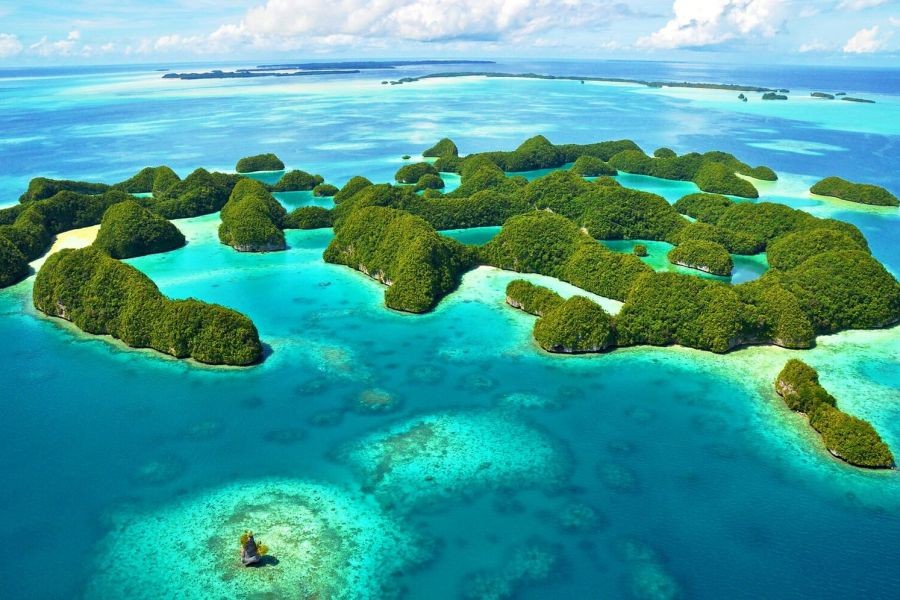






The evolution of work culture in the digital era has seen a significant shift towards remote working, allowing professionals across the globe to blend work and travel seamlessly. This shift has given rise to the concept of digital nomadism, leading many countries to introduce specialized visas to attract this new breed of workers. Australia, known for its vibrant cities and stunning landscapes, is well-positioned to become a digital nomad hotspot. But will Australia introduce a Digital Nomad Visa by 2030?
The Rise of Digital Nomadism
Digital nomadism is no longer a niche lifestyle. With the advent of technology and the global shift towards flexible work arrangements, the number of digital nomads has been on the rise. According to a 2023 report by MBO Partners, there are approximately 15.5 million digital nomads worldwide, a number that is expected to grow significantly in the coming years.
Australia's Current Visa Landscape
Australia offers a range of visas catering to tourists, students, skilled workers, and business investors. However, as of now, there is no specific visa tailored to digital nomads. The existing visa options, such as the Working Holiday Visa and the Temporary Skill Shortage Visa, have limitations that may not suit the nomadic lifestyle.
Economic Opportunities for Australia
Introducing a Digital Nomad Visa could present significant economic benefits for Australia. The Australian Bureau of Statistics (ABS) reported that tourism contributed AUD 60.8 billion to the Australian economy in 2018-19. By attracting digital nomads, Australia could bolster this contribution, especially in regions dependent on tourism.
Case Study: Estonia's Digital Nomad Visa
Estonia was one of the first countries to introduce a Digital Nomad Visa in 2020. This visa allows remote workers to live in Estonia while working for a foreign employer. Since its launch, Estonia has seen a considerable increase in digital nomad applications, contributing to local economies and cultural diversity.
Comparative Analysis: Global Digital Nomad Visa Trends
Countries worldwide are recognizing the potential of digital nomads. For instance, Portugal offers a Temporary Stay Visa that allows remote workers to stay for up to a year, while Croatia's Digital Nomad Visa permits a stay of up to 12 months. These initiatives have been successful in boosting local economies and increasing cultural exchange.
Potential Challenges for Australia
While the benefits are evident, there are also challenges. The introduction of a Digital Nomad Visa would require careful consideration of regulatory and taxation issues. The Australian Taxation Office (ATO) would need to clarify tax obligations for digital nomads to avoid double taxation issues.
Regulatory Insights from the ACCC and APRA
The Australian Competition and Consumer Commission (ACCC) and the Australian Prudential Regulation Authority (APRA) play crucial roles in ensuring fair competition and financial stability, respectively. Any new visa policy would need to align with their regulations to ensure seamless integration into the market.
Pros and Cons of a Digital Nomad Visa
Pros:
- Economic Boost: Increased spending from digital nomads can boost local economies.
- Cultural Exchange: Attracting global talent can enrich cultural diversity.
- Tourism Revitalization: Regions affected by declining tourism can benefit from year-round visitors.
Cons:
- Regulatory Challenges: Ensuring compliance with tax and employment laws can be complex.
- Resource Strain: Increased population density in certain areas may strain local resources.
Myths and Misconceptions
Myth: Digital Nomads Pay No Taxes
Reality: While digital nomads may benefit from tax-friendly policies in some countries, they are often subject to taxation based on their residency status and the tax laws of their home country.
Myth: Digital Nomadism Is Just a Fad
Reality: Digital nomadism is a growing trend supported by technological advancements and changing work cultures, making it a sustainable lifestyle choice for many professionals.
Future Trends and Predictions
By 2030, it is predicted that digital nomadism will become more mainstream, with countries continuing to adapt their policies to attract this demographic. Australia, with its robust infrastructure and appealing lifestyle, is likely to introduce a Digital Nomad Visa, aligning with global trends and boosting its economy.
Conclusion
The potential introduction of a Digital Nomad Visa in Australia by 2030 presents an exciting opportunity for the country. By embracing this trend, Australia can attract global talent, boost local economies, and enhance cultural diversity. As digital nomadism continues to rise, Australia must consider the regulatory and economic implications to stay competitive in the global market.
People Also Ask
- How would a Digital Nomad Visa impact Australia's economy? Digital nomads contribute to local economies through spending on accommodation, dining, and tourism, potentially revitalizing regions dependent on tourism.
- What are the potential challenges of introducing a Digital Nomad Visa in Australia? Key challenges include regulatory and taxation complexities, ensuring compliance with existing laws, and managing local resource strains.
Related Search Queries
- Australia Digital Nomad Visa 2030
- Digital Nomad Visa Australia Requirements
- Global Digital Nomad Visa Trends
- Benefits of Digital Nomad Visas
- Tax Implications for Digital Nomads in Australia