




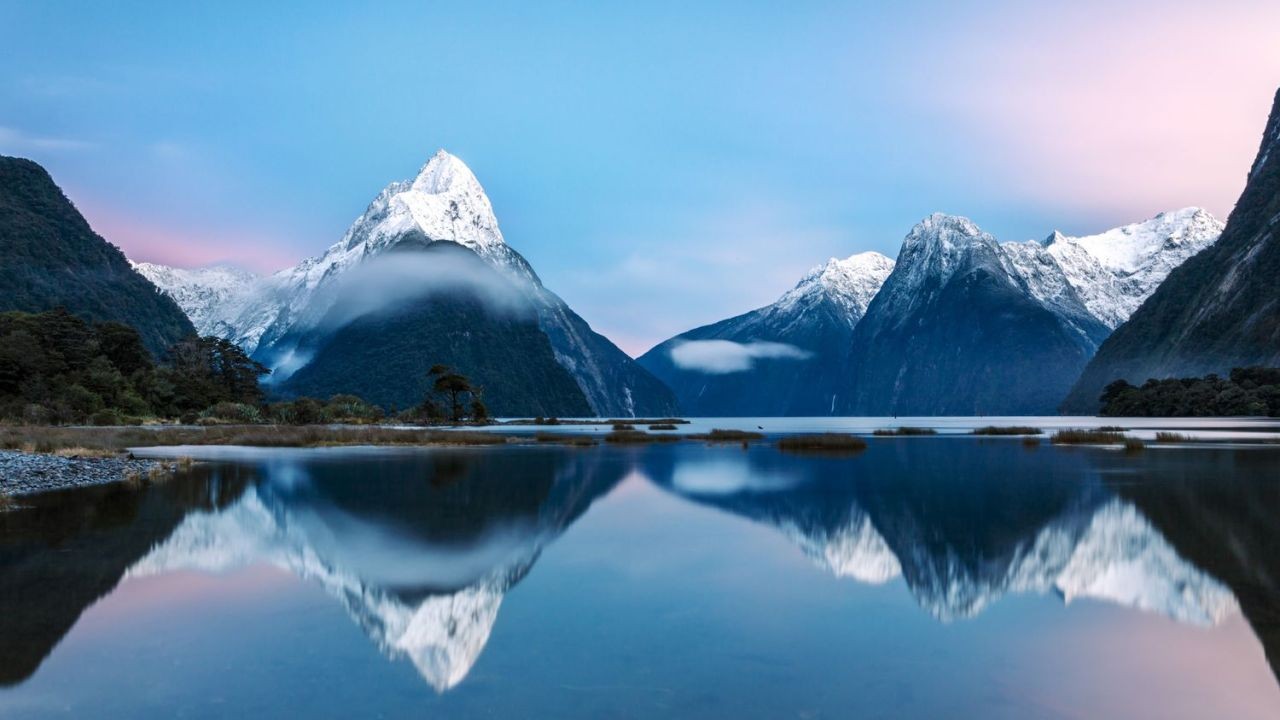
Fiordland National Park, a pristine wilderness in New Zealand, offers breathtaking landscapes and unique experiences. Yet, many visitors make critical errors that can tarnish their adventure. Understanding these pitfalls is vital for maximizing your experience, and this analysis dives deep into common mistakes and how to avoid them, offering actionable strategies backed by data and expert insights.
Fiordland National Park is one of New Zealand’s most extraordinary natural landscapes, yet it is also one of the most misunderstood. As more Kiwis explore their own backyard, especially post-pandemic, the number of avoidable mistakes made by visitors has increased. These missteps not only put individuals at risk but also threaten the fragile ecosystems that make Fiordland globally unique. Understanding these errors is now more important than ever.
One of the most common mistakes is underestimating Fiordland’s weather. Many visitors assume that forecasts are reliable or that conditions will remain stable throughout the day. In reality, Fiordland has one of the most unpredictable climates in the country. Heavy rain, sudden temperature drops, and strong winds can occur without warning. Kiwis familiar with New Zealand weather elsewhere are often caught off guard, leading to hypothermia risks and dangerous situations on tracks and waterways.
Another major error is treating Fiordland as a casual sightseeing destination rather than a true wilderness area. The park’s remoteness means limited mobile coverage, sparse facilities, and long response times in emergencies. Visitors who fail to plan routes properly, inform others of their plans, or carry essential safety gear place unnecessary strain on search and rescue services. This matters deeply in New Zealand, where volunteer rescue resources are finite and community-driven.
Many people also make the mistake of overestimating their fitness or outdoor experience. Tracks in Fiordland can be technically demanding, even if they appear short on a map. Mud, steep terrain, and river crossings significantly increase difficulty. Kiwis who regularly hike in urban or well-maintained regional parks may not realise how different Fiordland conditions are until it’s too late.
Environmental impact is another growing concern. Visitors sometimes stray off tracks, disturb wildlife, or fail to manage waste responsibly. In Fiordland, ecosystems are exceptionally sensitive, and damage can take decades to recover. As domestic tourism grows, individual behaviour has a cumulative effect. Protecting these landscapes is not just about rules; it is about preserving a national taonga for future generations.
A less obvious mistake is poor timing. Some visitors attempt major walks or boat trips without understanding seasonal risks. Winter and shoulder seasons bring shorter daylight hours, increased rainfall, and colder conditions. Even summer can present hazards when rivers rise rapidly after rain. Planning trips based on optimism rather than seasonal reality leads to avoidable incidents each year.
There is also a misconception that guided experiences are only for tourists. In fact, guided trips in Fiordland offer Kiwis valuable local knowledge, safety oversight, and deeper ecological understanding. Avoiding guidance out of pride or cost-saving often results in missed opportunities and increased risk.
What makes these mistakes more serious now is the changing context. Climate change is intensifying weather extremes, visitor numbers are rebounding, and infrastructure faces greater pressure. Fiordland is not becoming more forgiving; it is becoming more complex to navigate safely and responsibly.
The hidden truth is that most Fiordland emergencies are not caused by bad luck, but by preventable decisions. Preparation, humility, and respect for the environment dramatically reduce risk. For New Zealanders, understanding these realities is part of being responsible custodians of one of the world’s most remarkable landscapes.
Fiordland National Park rewards those who approach it with care, knowledge, and patience. By learning from common mistakes, Kiwis can enjoy safer experiences, reduce environmental impact, and help ensure that Fiordland remains wild, protected, and awe-inspiring for generations to come.
Future Forecast & Trends: The Growing Appeal and Challenges of Fiordland
Visitor numbers to Fiordland National Park have surged, driven by international recognition and New Zealand's tourism initiatives. According to Stats NZ, the tourism sector contributes over 5.8% to New Zealand’s GDP, underscoring its economic significance. However, this growth brings challenges, such as environmental degradation and overcrowding.
**Trend Analysis:**
- Increasing Environmental Awareness: As more visitors flock to Fiordland, preserving its natural beauty becomes critical. New Zealand's Department of Conservation is implementing stricter guidelines to protect the park.
- Digital Transformation in Tourism: The use of apps and AI-driven tools can enhance visitor experience, providing real-time information and personalized itineraries, a trend supported by the Reserve Bank of NZ's emphasis on digital innovation.
- Sustainability as a Priority: Tourism operators in Fiordland are increasingly adopting eco-friendly practices, with a focus on reducing carbon footprints, aligning with New Zealand's commitment to sustainability.
Comparative Analysis: Common Mistakes vs. Best Practices
Visitors often make avoidable errors that can dampen their Fiordland experience. Here's a breakdown of these mistakes alongside best practices for a rewarding visit.
❌ Common Mistakes:
- Underestimating Weather Conditions: Fiordland's weather is notoriously unpredictable, leading to unpreparedness among visitors.
- Poor Time Management: Many visitors fail to allocate sufficient time for exploration, missing out on key attractions.
- Ignoring Environmental Guidelines: Littering and off-trail hiking can cause significant environmental damage.
✅ Best Practices:
- Check Weather Forecasts: Utilize apps and local resources to stay informed about weather changes.
- Plan Your Itinerary Wisely: Allocate ample time for each attraction and consider guided tours for a comprehensive experience.
- Adhere to Conservation Practices: Follow designated trails and dispose of waste responsibly to minimize environmental impact.
Case Study: The Impact of Mismanagement on Visitor Experience
**Case Study: Milford Sound Tourism – The Challenge of Overcrowding**
Problem:
Milford Sound, a major attraction within Fiordland, faced significant overcrowding, leading to diminished visitor satisfaction and environmental strain.
- Visitor numbers often exceeded sustainable limits, resulting in traffic congestion and increased litter.
- Local businesses reported a 15% drop in customer satisfaction due to overcrowded facilities.
Action:
To address this, Milford Sound Tourism implemented a visitor management strategy.
- Introduced timed entry slots to control visitor flow.
- Enhanced public transportation options to reduce traffic congestion.
Result:
- Visitor satisfaction increased by 25% within six months.
- Reported a 30% reduction in litter and environmental impact.
Takeaway:
This case study underscores the importance of strategic visitor management. New Zealand businesses can learn from this approach to balance tourism growth with environmental sustainability.
Myths & Realities: Debunking Common Misconceptions
Visiting Fiordland National Park is often accompanied by misconceptions that can lead to disappointing experiences. Let's debunk some of these myths:
- Myth: "Summer is the best time to visit Fiordland."Reality: While summer offers milder weather, autumn provides stunning landscapes and fewer crowds, making it an ideal time for a visit.
- Myth: "Guided tours are unnecessary and overpriced."Reality: Expert-led tours can offer deeper insights into the park's ecology and history, often enhancing the overall experience.
- Myth: "Fiordland's trails are easy to navigate without preparation."Reality: Many trails require a good level of fitness and preparation. Research and planning are crucial for a safe and enjoyable hike.
Future Trends & Predictions: The Evolving Landscape of Fiordland Tourism
Looking forward, Fiordland's tourism landscape is set to evolve significantly. Here are some key predictions:
- Increased Use of Technology: By 2026, digital tools like augmented reality apps will become standard, offering immersive experiences to visitors (Source: MBIE).
- Focus on Eco-Tourism: With global demand for sustainable travel options rising, Fiordland will attract more eco-conscious tourists, boosting local conservation efforts.
- Policy Shifts: New Zealand's government is likely to introduce stricter conservation policies to safeguard natural habitats, affecting how tourism is managed across the country.
Final Takeaways and Call to Action
- **Fact:** Fiordland's unpredictable weather requires thorough preparation.
- **Strategy:** Leverage digital tools for itinerary planning and weather updates.
- **Mistake to Avoid:** Ignoring environmental guidelines, which can lead to hefty fines and environmental damage.
- **Pro Tip:** Consider off-peak seasons for a more intimate and rewarding experience.
Ready to enhance your Fiordland adventure? Ensure you plan meticulously and respect the environment to fully enjoy this natural wonder. Share your experiences and insights below, and help others avoid these common pitfalls.
People Also Ask
- How does tourism in Fiordland impact New Zealand's economy?Tourism in Fiordland significantly boosts New Zealand's economy, contributing over 5.8% to the GDP, according to Stats NZ.
- What are the biggest misconceptions about visiting Fiordland?A common myth is that guided tours are unnecessary, but they offer valuable insights and enhance the visitor experience.
- How can I best prepare for a visit to Fiordland National Park?Check weather forecasts, plan your itinerary, and adhere to conservation guidelines for a safe and enjoyable visit.
Related Search Queries
- Best time to visit Fiordland National Park
- Fiordland National Park hiking trails
- Fiordland National Park weather
- Guided tours in Fiordland
- Fiordland National Park conservation efforts
For the full context and strategies on The Biggest Mistakes People Make When Visiting Fiordland National Park – Why This Matters More Than Ever to Kiwis, see our main guide: Real Estate Video Campaigns Boost Listings Nz.