





When it comes to eco-tourism, two small nations on opposite sides of the globe, New Zealand and Iceland, are often compared. Both countries boast stunning natural landscapes and have made significant strides in sustainable tourism. However, which nation truly leads the way in eco-tourism? This comparison not only matters to travelers but also to businesses and policymakers in New Zealand, as eco-tourism is a vital sector of the economy, contributing significantly to GDP and employment. According to Stats NZ, tourism accounted for 5.8% of New Zealand's GDP in 2019, underscoring its importance. Let's delve into a detailed analysis to uncover which country comes out on top and why it matters to New Zealand's economy and industries.
eco-tourism in New Zealand: A Deep Dive
New Zealand is celebrated for its diverse ecosystems, from the lush rainforests of Fiordland to the geothermal wonders of Rotorua. The country's eco-tourism sector is underpinned by strong environmental policies and a commitment to sustainability. The New Zealand Department of Conservation (DOC) plays a crucial role in maintaining the country's natural heritage, ensuring that tourism activities do not harm the environment. Moreover, initiatives such as Predator Free 2050 aim to eliminate invasive species, thereby preserving native wildlife.
A study by the Ministry of Business, Innovation & Employment (MBIE) revealed that eco-tourism has seen a steady growth rate of 3.5% annually, driven by increasing global awareness of environmental conservation. The sector supports numerous local businesses, from eco-friendly lodges to guided nature tours, providing employment opportunities and stimulating regional economies.
Case Study: The Success of Zealandia
Zealandia, an urban eco-sanctuary in Wellington, is a shining example of successful eco-tourism in New Zealand.
- Problem: Zealandia faced initial challenges in attracting visitors and ensuring financial sustainability.
- Action: They implemented a strategic marketing campaign focusing on educational tours and community engagement. Investment in renewable energy sources further enhanced their eco-credentials.
- Result: Visitor numbers increased by 42% over three years, and the sanctuary achieved a surplus of NZD 1.2 million in 2022.
- Takeaway: Strategic marketing and community involvement are crucial for the success of eco-tourism ventures.
Iceland: A Nordic Pioneer in eco-tourism
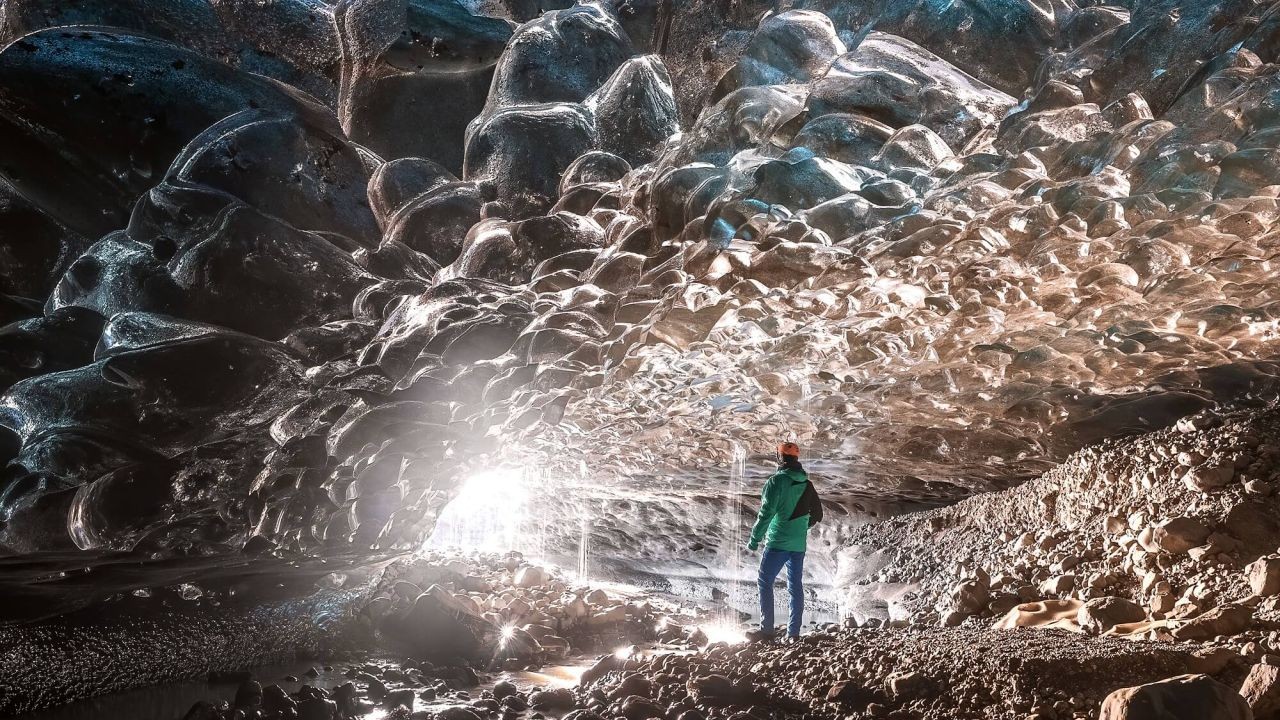
Iceland, with its dramatic volcanic landscapes and geothermal features, has carved a niche in the eco-tourism market. The Icelandic government has implemented stringent regulations to protect its fragile environment, including limiting tourist access to certain areas to prevent over-tourism.
According to a report by the Icelandic Tourist Board, eco-tourism in Iceland has grown by an impressive 7% annually, driven by the country's commitment to sustainability. Icelandic tour operators are increasingly offering eco-friendly packages, such as electric vehicle tours and carbon-neutral accommodations, attracting environmentally conscious travelers.
Pros and Cons: A Comparative Analysis
✅ Pros of New Zealand eco-tourism: - Diverse ecosystems provide a wide range of experiences. - Strong government support and policies for conservation. - Community engagement and involvement in eco-tourism initiatives. ❌ Cons of New Zealand eco-tourism: - Remote locations can increase travel costs for visitors. - Seasonal fluctuations affect visitor numbers and business sustainability. ✅ Pros of Iceland eco-tourism: - Unique geothermal landscapes and natural phenomena. - Strong focus on renewable energy and sustainability. - Rapid growth in eco-tourism offerings and infrastructure. ❌ Cons of Iceland eco-tourism: - Limited accessibility to certain areas to protect fragile environments. - High costs associated with travel and accommodations.
Contrasting Viewpoints: New Zealand vs. Iceland
While both New Zealand and Iceland have made commendable progress in eco-tourism, differences in their approaches highlight unique challenges and opportunities. New Zealand's focus on community involvement and diverse ecosystems offers a broad range of eco-tourism activities. In contrast, Iceland's commitment to renewable energy and stringent environmental regulations sets a high standard for sustainability.
For New Zealand, the challenge lies in balancing tourism growth with environmental preservation, especially as global travel rebounds post-pandemic. The country's reliance on international tourists makes it vulnerable to global economic shifts. On the other hand, Iceland's challenge is managing over-tourism while maintaining accessibility to its natural wonders.
Future Trends in eco-tourism
Looking ahead, both countries are poised to benefit from the growing demand for sustainable travel. According to a McKinsey report, eco-tourism is expected to grow by 14% globally over the next decade, driven by increasing environmental awareness. For New Zealand, this presents an opportunity to diversify its tourism offerings and attract a new wave of eco-conscious travelers.
To stay competitive, New Zealand businesses must continue to innovate, leveraging technology to enhance visitor experiences while minimizing environmental impact. This includes adopting digital solutions for personalized travel itineraries and promoting lesser-known destinations to distribute tourist traffic more evenly.
Conclusion: The Path Forward for New Zealand
In the battle of eco-tourism, both New Zealand and Iceland excel in different areas. New Zealand's rich biodiversity and community-driven approach offer a unique eco-tourism experience, while Iceland's focus on sustainability and renewable energy sets a high benchmark. For New Zealand, the key to future success lies in maintaining its environmental integrity while embracing innovation to enhance the traveler experience.
As eco-tourism continues to evolve, New Zealand has the potential to not only compete but lead in this sector. By prioritizing sustainability, innovation, and community engagement, New Zealand can ensure its eco-tourism industry remains robust and resilient, benefiting both the environment and the economy.
People Also Ask (FAQ)
What is eco-tourism, and why is it important? eco-tourism focuses on responsible travel to natural areas that conserves the environment and improves the well-being of local people. It's important as it promotes sustainable development and environmental awareness.
How does eco-tourism impact New Zealand's economy? eco-tourism significantly contributes to New Zealand's economy by supporting local businesses and creating employment. It accounted for 5.8% of the GDP in 2019, according to Stats NZ.
What are the challenges of eco-tourism in New Zealand? Challenges include balancing tourism growth with environmental preservation and managing visitor numbers to prevent over-tourism, especially as global travel rebounds.
Related Search Queries
- eco-tourism trends in New Zealand
- Sustainable tourism in Iceland
- New Zealand eco-tourism destinations
- Iceland travel restrictions 2023
- Environmental policies in New Zealand
- Impact of eco-tourism on local communities
- Future of sustainable travel
- Eco-friendly accommodations in New Zealand
- Renewable energy in Iceland's tourism
- Challenges of eco-tourism