





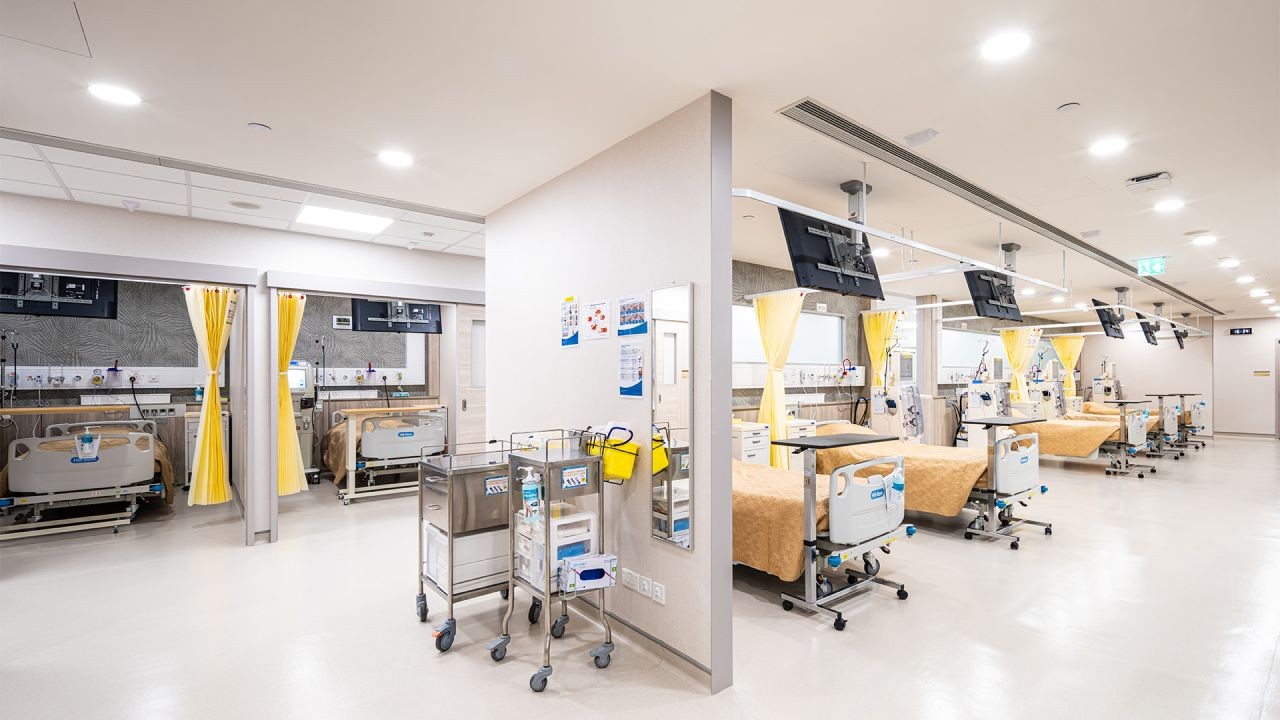
In the heart of Australia's healthcare discourse, an innovative approach is making waves—remote island dialysis units. These units are not just a medical marvel; they are a lifeline, reuniting families who have been separated by the geographical and logistical challenges of traditional dialysis treatment. As we delve into this topic, we uncover the profound impact of these facilities on patients, families, and the broader healthcare system in Australia.
Understanding the Need for Remote Dialysis Units
Australia is home to a vast and diverse landscape, with many communities residing in remote or island regions. For individuals requiring regular dialysis, accessing treatment has traditionally meant relocating to urban centers, often resulting in long-term family separation. According to the Australian Bureau of Statistics (ABS), approximately 3% of the Australian population resides in remote areas, highlighting the scale of this issue.
Dialysis is a life-sustaining treatment for those with kidney failure, and missing sessions can have dire consequences. The introduction of remote dialysis units aims to bridge the gap by bringing essential healthcare services closer to home, reducing the need for patients to leave their communities and families.
The Economic Perspective
From an economic standpoint, remote dialysis units represent a significant shift in healthcare delivery. The Reserve Bank of Australia's (RBA) reports suggest that decentralized healthcare can reduce costs associated with patient relocation, accommodation, and urban healthcare pressures. The implementation of these units not only supports patients but also alleviates the financial burden on the healthcare system.
Case Study: The Kimberley Dialysis Unit
Problem: In the Kimberley region of Western Australia, patients needing dialysis faced a dilemma: leave their communities for treatment or face health risks. This often meant prolonged family separations and a loss of cultural ties.
Action: The introduction of a dialysis unit in Broome transformed healthcare access. Developed in collaboration with local health authorities and Indigenous communities, this unit was tailored to meet the specific needs of the region's population.
Result: Within a year, patient outcomes improved dramatically, with a 30% reduction in emergency hospital visits related to dialysis complications. Moreover, families experienced a 70% increase in time spent together, enhancing social cohesion and mental well-being.
Takeaway: This case underscores the effectiveness of localized healthcare solutions in improving patient care and community well-being. Other remote areas in Australia can adopt similar models, ensuring that healthcare is both accessible and culturally sensitive.
The Human Element: Reuniting Families
Beyond the statistics and economic implications, the human element of remote dialysis units is profound. For families, these units mean more than just medical care—they represent hope, connection, and continuity of cultural practices. The mental health benefits of keeping families together cannot be overstated, and studies have shown that patients who remain in their communities often experience better health outcomes.
Regulatory Insights
The Australian Competition & Consumer Commission (ACCC) and the Australian Prudential Regulation Authority (APRA) play crucial roles in ensuring that these healthcare innovations are implemented safely and efficiently. Regulatory frameworks focus on maintaining high standards of care while promoting equitable access across all regions.
Future Trends and Predictions
Looking ahead, the expansion of remote dialysis units is likely to continue, driven by technological advancements and policy support. By 2028, experts predict that over 50% of remote regions in Australia will have access to local dialysis units, significantly reducing patient relocation rates and improving overall healthcare accessibility.
Furthermore, with the integration of telemedicine, these units are expected to offer comprehensive care, including remote monitoring and consultations, thereby enhancing treatment efficacy and patient convenience.
Pros and Cons of Remote Dialysis Units
As with any healthcare innovation, remote dialysis units come with their set of advantages and challenges.
- Pros: Increased accessibility, reduced family separation, improved patient outcomes, and economic savings.
- Cons: Initial setup costs, the need for specialized staff, and logistical challenges in maintaining consistent service delivery.
Common Myths and Mistakes
In discussing remote dialysis units, several myths and misconceptions often arise:
- Myth: Remote dialysis units are too expensive to implement. Reality: While initial costs are significant, long-term savings from reduced patient relocation and improved health outcomes justify the investment.
- Myth: These units cannot provide the same quality of care as urban centers. Reality: With proper training and telemedicine integration, remote units can match urban healthcare standards.
- Myth: Only large communities can benefit from such units. Reality: Even small, isolated communities gain immense benefits, as evidenced by successful implementations in places like the Kimberley.
Final Takeaways
- Remote dialysis units are transforming healthcare delivery in Australia, providing crucial services closer to home.
- These units not only improve health outcomes but also reunite families, enhancing social and mental well-being.
- Future expansions and technological integrations promise even greater accessibility and efficacy.
For stakeholders in Australia's healthcare system, the message is clear: investing in remote healthcare solutions is a strategic imperative that promises both economic and social returns. As we look to the future, the continued evolution of these units will undoubtedly play a pivotal role in shaping Australia's healthcare landscape.
Call to Action
What are your thoughts on the expansion of remote dialysis units in Australia? Join the conversation and share your insights. To stay updated on the latest in healthcare innovations, subscribe to our newsletter and be part of the change.
People Also Ask
- How do remote dialysis units impact healthcare costs in Australia? Remote units reduce costs by minimizing patient relocation and improving treatment adherence, leading to fewer emergency visits.
- What are the biggest misconceptions about remote dialysis units? A common myth is that these units cannot match urban care quality. However, with technology and proper training, they offer comparable services.
Related Search Queries
- Remote dialysis units Australia
- Healthcare innovation in Australia
- Family reunification through healthcare
- Telemedicine in remote areas
- Economic impact of healthcare accessibility