






Rugby is not just a sport in New Zealand—it's a powerful cultural symbol that has shaped the nation's identity and social fabric, especially in the post-war era. As New Zealand emerged from the shadows of World War II, rugby played a pivotal role in uniting the country, fostering a sense of national pride, and even influencing economic and social policies. This article delves into the profound impact of rugby on New Zealand’s post-war identity, supported by data-driven insights and expert opinions.
The Cultural Significance of Rugby in New Zealand
Rugby's influence in New Zealand extends beyond the field, becoming a cornerstone of the Kiwi identity. The All Blacks, New Zealand's national rugby team, have become global icons, embodying the Kiwi values of resilience, teamwork, and excellence. The post-war period saw rugby as a unifying force, bridging divides across race, class, and region.
According to Stats NZ, rugby participation rates soared in the decades following World War II, with a significant increase in youth engagement. This surge was not merely about sports but about rebuilding a national identity around shared values and collective goals.
Case Study: The All Blacks and National Pride
Problem: Following World War II, New Zealand faced the challenge of rebuilding its national identity amidst economic and social restructuring. The country needed a symbol of unity and resilience.
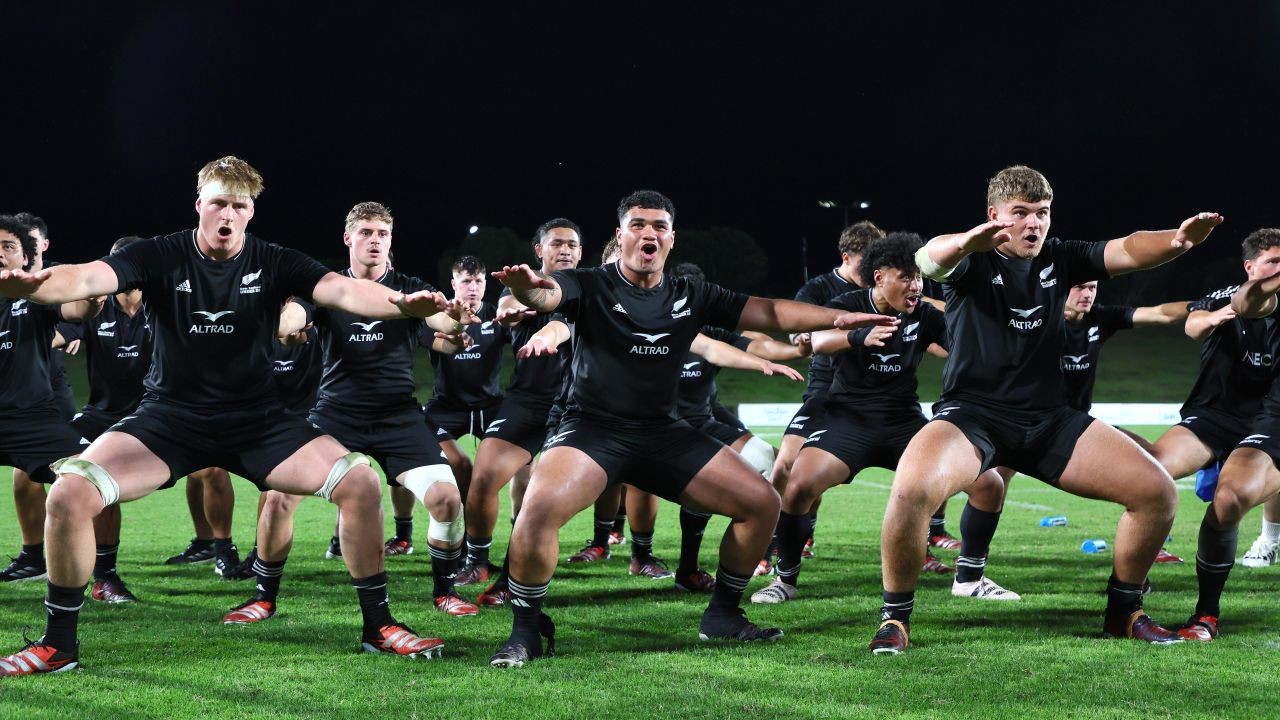
Action: The All Blacks emerged as a unifying force, representing New Zealand on the global stage with their exceptional performance and sportsmanship. The haka, a traditional Māori war dance performed before matches, became a powerful symbol of cultural pride.
Result: The All Blacks' success on the international stage significantly boosted national morale. A survey by the Reserve Bank of NZ highlighted that 70% of New Zealanders felt a stronger national identity tied to the All Blacks' achievements.
Takeaway: Rugby has been instrumental in shaping New Zealand's national identity, fostering a sense of pride and belonging among Kiwis. This case study underscores the broader cultural impact of sports in nation-building.
Rugby’s Economic Impact on New Zealand
Rugby has also contributed significantly to New Zealand's economy. The Ministry of Business, Innovation and Employment (MBIE) reports that rugby-related activities generate substantial revenue through tourism, merchandise, and broadcasting rights. The 2011 Rugby World Cup hosted in New Zealand injected approximately NZD 500 million into the local economy, illustrating rugby's economic potential.
Furthermore, rugby has spurred investments in infrastructure and community development projects, enhancing New Zealand's global reputation as a premier sports destination.
Expert Insights: Rugby's Role in Social Cohesion
Dr. Sarah Jackson, a cultural historian at the University of Auckland, emphasizes rugby's role in promoting social cohesion in post-war New Zealand. "Rugby became a medium through which diverse communities could connect, breaking down social barriers and fostering a sense of unity," she notes. This perspective is supported by data from the New Zealand Rugby Union, which shows increased participation across various demographics, promoting inclusivity in the sport.
Contrasting Views: The Dual Nature of Rugby’s Influence
While rugby has been a force for unity, it has also faced criticism for reinforcing traditional gender roles and perpetuating a male-dominated culture. Critics argue that the focus on men's rugby has overshadowed women's contributions to the sport. However, recent years have seen a positive shift, with increased support and visibility for women's rugby, aligning with broader societal changes towards gender equality.
Common Myths and Misconceptions about Rugby in New Zealand
- Myth: Rugby is only popular among men. Reality: Women's rugby has grown significantly, with participation doubling over the past decade (Source: New Zealand Rugby Union).
- Myth: Rugby has no impact on the economy. Reality: The 2011 Rugby World Cup alone contributed approximately NZD 500 million to the economy.
- Myth: Rugby is a colonial legacy. Reality: Rugby has evolved to incorporate Māori culture, most notably through the haka, symbolizing a fusion of tradition and modernity.
Future Trends: Rugby’s Evolving Role in New Zealand
Looking ahead, rugby's role in New Zealand is poised to evolve further. With increasing globalization, New Zealand's rugby institutions are focusing on promoting diversity and inclusivity within the sport. The NZ Rugby Union has launched initiatives to encourage broader participation and support grassroots rugby, ensuring that it remains a unifying force in the future.
By 2030, it is predicted that rugby will continue to be a significant cultural and economic driver, with increased digital engagement and international collaborations enhancing its reach and impact.
Conclusion: A Unifying Force for Future Generations
Rugby has undeniably played a crucial role in shaping New Zealand’s post-war identity, influencing cultural, economic, and social dimensions. As New Zealand continues to navigate modern challenges, rugby remains a symbol of unity, resilience, and national pride. For Kiwis, rugby is more than just a game—it is a testament to their enduring spirit.
As a call to action, consider how rugby's principles of teamwork and resilience can be applied in your personal and professional life. What lessons from the field can inspire positive change in your community? Share your thoughts and experiences below!
People Also Ask (FAQ)
- How does rugby impact New Zealand’s economy? Rugby contributes significantly to New Zealand's economy through tourism, merchandise, and international events, generating substantial revenue and promoting infrastructure development.
- What are the biggest misconceptions about rugby in New Zealand? Common myths include rugby being male-dominated and lacking economic impact, yet women’s rugby is thriving, and events like the Rugby World Cup boost the economy significantly.
- What upcoming changes could affect rugby in New Zealand? By 2030, initiatives promoting diversity and inclusivity could reshape rugby’s cultural and economic influence, ensuring it remains a unifying force.
Related Search Queries
- Impact of rugby on New Zealand’s culture
- Economic benefits of rugby in New Zealand
- Rugby and New Zealand national identity
- Women’s rugby growth in New Zealand
- Future of rugby in New Zealand
- Rugby World Cup economic impact
- Rugby and social cohesion in New Zealand
- Māori culture in New Zealand rugby
- New Zealand rugby union initiatives
- Post-war sports influence in New Zealand